belchonock/iStock/Getty Images
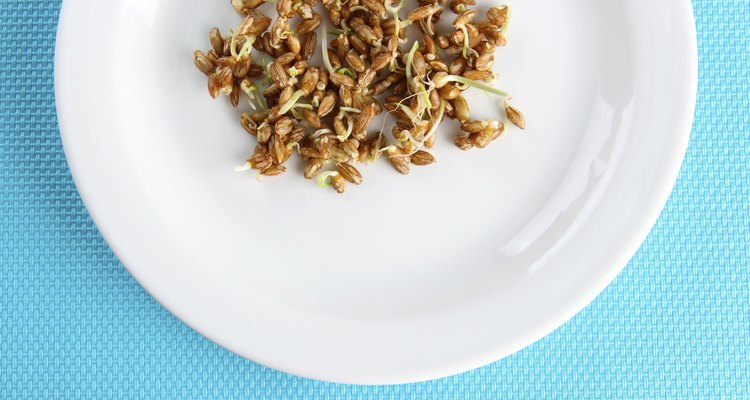
wheat germ is the embryo of whole-wheat kernels. You can buy it separated from the starch and fiber that make up most of the wheat kernel and that are processed into flour. Wheat germ is available raw or toasted. Either form is equally nutritious, but toasted wheat germ has a nutty taste and texture.
Nutrients
Wheat germ contains many important nutrients, including healthy oils. Each ounce of toasted wheat germ -- approximately 30 grams or 1/4 cup -- contains 108 calories, 8.25 grams of protein, 4 grams of dietary fiber, 2 grams of sugar and 8 grams of starch. Each ounce provides 0.5 gram of monounsaturated fat and nearly 2 grams of polyunsaturated fat.
Vitamins and Minerals
Toasted wheat germ provides calcium, iron, magnesium, phosphorus, potassium, zinc, manganese and selenium. It is a good source of B vitamins especially niacin, pantothenic acid, B-6 and folate. It contains antioxidants vitamin E and lutein. Minerals are necessary for your brain, heart and circulatory system, muscles and bones. B vitamins help your body obtain energy from food. They also are important for good appetite, vision, healthy skin, nervous system and red blood cell formation.
Uses
It's easy to add wheat germ to your diet. Add it to cereals, baked goods, yogurt, casseroles and smoothies. Toasted wheat germ adds flavor as well as nutrients to your meals. To make baked goods and pancakes more nutritious, substitute a tablespoon of toasted wheat germ for a tablespoon of flour in each cup of flour in your recipe. Add toasted wheat germ to your homemade granola, sprinkle it on your salads and put a little in your marinara sauce.
Tips and Considerations
Because of the oils in wheat germ, it can become rancid if stored improperly. When you buy toasted wheat germ, check the expiration date on the package. Store wheat germ in an airtight container in your refrigerator or freezer to extend its shelf life. A sealed, unopened jar will keep for about a year in a cool place. Once opened, it will last for about nine months in the refrigerator. When you open a new jar, it should smell nutty, not musty or rancid.
Cornell Bread
Cornell University professor Dr. Clive M. McCay developed the Cornell Bread recipe n the 1940s to create a homemade bread that was full of protein and other nutrients that people had trouble getting during food rationing in World War II. To make this nutritious bread at home, substitute 1 tablespoon each of wheat germ, soy flour and nonfat milk powder for an equal amount of flour in each cup of flour. For example, if your recipe calls for 2 cups of all-purpose flour, use 2 tablespoons each of wheat germ, soy flour and nonfat milk powder and 1 2/3 cup of flour.
Related Articles
How to Make Toasted Bread Sticks With ...
Is Teff Flour Gluten-Free?

How to Store and Freeze Sundried ...
How Long Does Banana Bread Stay Fresh?
How to Freeze Brioche
What Is the Shelf Life for Raw Peanuts?

How to Tell If Flour Is Rancid

How to Make Pumpernickel Flour

How to Get Rid of Scars With Wheat Germ ...

How to Make Glycerin Lotion

How to Make Really Good Lemonade

How to Make Grilled Cheese in a ...
How to Make Roll-On Perfume

How to Make Fresh Strawberry Frosting ...

How to Use Camellia Oil for Hair
How to Make a Cinnamon Milk Face Mask
How to Freeze Empanadas
How to Sew slippers
How to Substitute Wheat Germ for Flour
How Does Brewer's Yeast Benefit Skin?
Resources
- Bob's Red Mill Cookbook; Miriam Backes et al.; 2009
Writer Bio
Ramona French owned a massage school and taught massage for 28 years. In that time she wrote textbooks on Swedish, acupressure, deep tissue and lymph drainage massage. She is the author of "Introduction to Lymph Drainage Massage" and "Milady's Guide to Lymph Drainage Massage." Her book, "The Complete Guide to Lymph Drainage Massage," published by Milady, was released in October 2011.
Photo Credits
belchonock/iStock/Getty Images