
You don't have to run a mile a day to reap the benefits of regular exercise. According to Science Daily, a 2008 study by researchers at the University of Georgia found that sedentary adults who engaged in 20 minutes of low-intensity exercise every day reported reduced levels of fatigue when compared to non-exercisers and those who engaged in moderate-intensity exercise. Although some particular exercises are commonly categorized as "low", "moderate" or "high" intensity, what really distinguishes them from each other is their effect on your heart rate and the overall effort that they require on your part.
Rate of Perceived Exertion
Video of the Day

One way to determine whether an exercise is low, moderate or high intensity is to use the rate of perceived exertion, which measures how difficult the exercise feels to you while you are doing it. To measure perceived exertion, observe your breathing patterns and other outward effects, like sweating. For example, walking can be either low or moderate-intensity exercise, depending on the pace that you use. If an evening walk does not cause changes in your breathing pattern and doesn't result in sweating, and you can carry on a conversation or sing a song while doing it, then you're probably getting a low-intensity workout.
Video of the Day
Heart Rate

You can also measure the intensity of a given exercise by using your heart rate. Heart rate measurement provides a more objective measurement of exercise intensity. During low-intensity exercise, you only use between 40 and 50 percent of your maximum heart rate. To calculate your maximum heart rate, subtract your age from 220. For example, if you are 25-years-old, your maximum heart rate is 195. This is the maximum number of times that your heart should beat per minute during exercise. During low-intensity exercise, then, your heart rate will be between 78 and 97.5. During moderate-intensity exercise, you use 50 to 70 percent of your maximum heart rate, or 70 to 85 percent for high-intensity exercise.
Examples

Examples of low-intensity exercise include a light walk, a stretching routine or beginner's yoga workout or swimming. Remember, these exercises might also give you a moderate-intensity workout if they are done at a faster pace or more vigorously. For example, an intense Bikram yoga session performed in temperatures that exceed 100 degrees Fahrenheit is obviously not a low-intensity workout. Some household chores, like vacuuming, washing windows, mopping, light gardening, yard work or washing the car are also considered low-intensity exercise.
Benefits
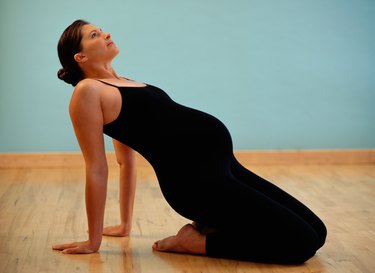
Low-intensity exercise is especially beneficial for people who are just beginning an exercise program or who have a chronic health condition, such as obesity or a heart condition. Pregnant women who did not exercise prior to becoming pregnant or those who have just had a baby also benefit from low-intensity exercise. If you want to lose weight but are not used to exercise, low-intensity workouts are a good place to begin. Low-intensity exercise usually burns about 2.5 calories per minute, depending on your weight.