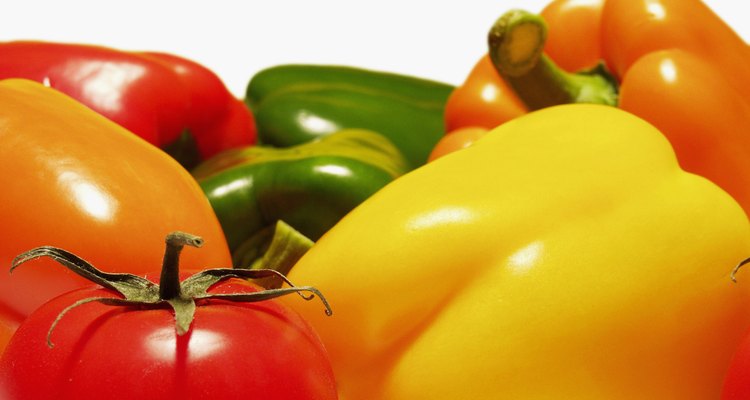
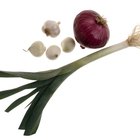
Medioimages/Photodisc/Photodisc/Getty Images
In general, vegetables are a healthy, natural source of several essential macro- and micronutrients, regardless of whether they're served cooked or raw. In some cases, however, different nutrients are more available for the body to absorb in either raw or cooked vegetables. To get the most comprehensive intake of phytochemicals, it is necessary to eat a variety of both raw and cooked vegetables. Certain factors might also influence the nutrition of raw or cooked vegetables, such as freshness and preparation methods.
Nutrition Facts for Vegetables
By many standards, the nutritional value of vegetables served raw and cooked are comparable. For example, vegetables are high in complex carbohydrates, dietary fiber and numerous vitamins, minerals, antioxidants and phytochemicals recommended by the USDA as an essential part of a healthy daily diet, regardless of serving method. Vegetables in general are also low in calories, independent of preparation. According to the Healing Foods Pyramid, created by the University of Michigan Integrative Medicine, a single serving of vegetables is considered either 1 cup of raw leafy greens or 1/2 cup of all other vegetables raw and chopped and all cooked vegetables.
Raw Vegetable Nutrition
According to Dr. Joel Fuhrman, the human body absorbs only about 50 calories from each pound of raw vegetables consumed. A 2004 review of research published in "Cancer Epidemiology, Biomarkers and Prevention" reported that of 11 studies on the relationships between raw and cooked vegetables and cancer risk, nine studies linked raw vegetables with low cancer risk while only four found such a link with cooked vegetables. Vitamin C is more available to the body in raw vegetables than in cooked vegetables, as heat can easily destroy it.
Raw Vegetable Considerations
Raw vegetables left to sit out long enough will start to lose their nutritional value, their nutrients breaking down over time from the process of oxidation. Additionally, raw vegetables might contain harmful microorganisms that can interfere with the nutritional benefits otherwise received from the food and which are generally destroyed in cooking. Wash raw vegetables thoroughly before consumption to reduce the possibility of ingesting unwanted compounds and microorganisms.
Cooked Vegetable Nutrition
According to Fuhrman, lightly cooking vegetables softens, heats and moisturizes them, making their nutrients more easily absorbable. Plant proteins might also be more available and absorptive in lightly cooked vegetables than in raw or highly cooked vegetables. Lycopene, the pigment in tomatoes that gives them their red color and which has been associated with reduced heart attack and prostate cancer risk, is more readily absorbed by the body from cooked tomatoes than from raw ones. The beta-carotene in carrots is more available for the body to absorb in cooked carrots than in raw carrots, as are the phenolic antioxidants in asparagus, cabbage, peppers and spinach, among other vegetables.
Cooked Vegetable Considerations
The manner of cooking can drastically alter the nutrient content. For example, steamed vegetables retain vitamin C and water-soluble B-complex vitamins better than boiled vegetables. Cooking time can affect the nutrition of vegetables as well. For example, lightly boiled vegetables retain more of their nutritional content than heavily boiled vegetables, with certain nutrients such as vitamins B, C and folate are particularly susceptible to high temperatures and long cooking times. Frying and barbecuing vegetables not only destroys the most nutrients of all cooking methods, but also exposes the vegetables to a variety of toxic compounds.
Related Articles

How to Preserve Rutabagas

How to Steam Vegetables in an Electric ...

Nutritional Content of Steamed ...
Beans Vs. Lentils

Essential Amino Acids That Are ...

Is Wheat Grass an Alkalizing Food?

Steaming vs. Boiling vs. Baking Carrots
Does Slow Cooking Take Nutrients Out of ...

Does Deep-Frying Vegetables Rob Them of ...

Are Pickled Vegetables Allowed on a Raw ...
How to Cook Mixed Greens
Health Benefits of Organic Foods Vs. ...

Calories in Moo Shu Vegetable
List of Vegetables That Contain Protein ...
Ways to Cook Broccoli
If I Puree Raw Vegetables Will That ...

B-6, Zinc & Acne
What Are the Health Benefits of Cooked ...

How to Cook Vegetables Without Losing ...

Steaming vs. Pressure Cooking for ...
References
Writer Bio
Based in Maine, Sage Kalmus has written extensively on fitness, nutrition, alternative health, self-improvement and green living for various websites. He also authored the metaphysical fiction book, "Free Will Flux." Kalmus holds a Bachelor of Science from Boston University's College of Communication and is a Certified Holistic Health Counselor with special training in Touch-For-Health Kinesiology.
Photo Credits
Medioimages/Photodisc/Photodisc/Getty Images