
4 Long-Term Benefits of Natural Bodybuilding to Entice You to Work Out More

Natural bodybuilding, in which you change your physique and strength through frequent exercise, can be an exhilarating and satisfying sport. Natural bodybuilding also means avoiding supplements and performance-enhancing drugs. Bodybuilding means that the changes you make to your body can produce beneficial and possibly harmful long-term effects.
You can build muscle and cut body fat, and these gains can stay with you into old age. However, with long-term bodybuilding, you risk developing overuse injuries and can even put your cardiac health at risk. Here are some benefits from bodybuilding the drug-free, natural way.
Maintain Your Muscle Mass
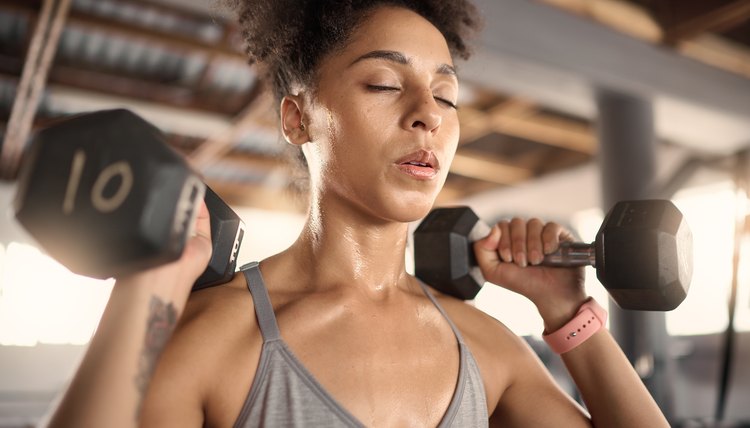
Bodybuilding is a discipline that should be approached sensibly.
Long-term bodybuilding changes your body composition. Through resistance training and weightlifting, you can speed up muscle growth and build body weight. Not only is this change a positive adaptation for your short-term health, but it can also help as you age. With age comes a loss of muscle mass and strength attributed to sarcopenia, the natural and normal decline in muscle with age.
According to an article in ACE Fitness, loss of muscle mass could begin as early as 35 and without regular physical activity. Maintaining muscle mass and strength can help you live independently and increase your quality of life and are among the benefits of bodybuilding.
Consult a personal trainer or personal physician before starting a muscle building exercise program.
Increase Your Bone Density
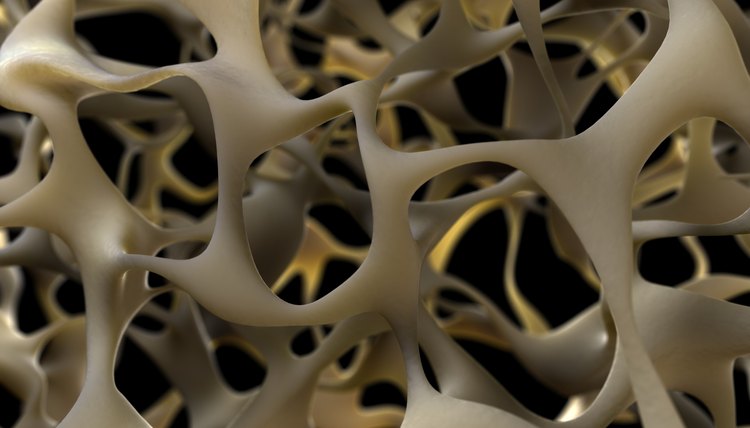
Bodybuilding is a discipline that should be approached sensibly.
Increased bone mineral density is another long-term positive effect of natural bodybuilding. Resistance training initiates a stimulus that signals your body to increase your bone density. By putting strain on your bones, your body adapts by making your bones stronger. Aging leads to a decline in bone strength, especially for women, that can develop into osteoporosis. When your bones lose strength, they become brittle and are susceptible to fracture.
The National Osteoporosis Foundation suggests muscle-strengthening exercises, which include lifting weights, to maintain bone density. Doing so lessens your risk of osteoporosis. In addition, those who continue to exercise throughout the aging process can expect to see an even greater reduction, or even reversal, of bone loss.
Healthy and Safe Training
A negative effect of bodybuilding is often the development of overuse injuries. Bodybuilding puts a significant strain on the joints, especially when you lift enough to induce hypertrophy.
To reduce the likelihood of an overuse injury, follow healthy and safe training procedures by using proper form for each lift. You can also cut down on injury with proper training techniques, such as splitting your routine, so you don't overwork your muscles.
Protect Your Heart

Bodybuilding is a discipline that should be approached sensibly.
Natural bodybuilding, when performed in moderation, could reduce the risk of heart attack by 40 to 70 percent according to research published in 2018 by Iowa State University Two sets of bench presses are enough to strengthen your heart muscle without putting undue strain on it.
Scientists advise a gym membership only because people tend to exercise more. And the variety of machines open up choices for those days you don't feel the oomph to tackle the barbells often associated with bodybuilding.
In addition, consider adding some cardio to your program. Aerobic exercise, such as running or biking, can help strengthen and protect your heart. This can help keep blood pressure down and your risk of hypertension even lower. This plus a low-carb, protein heavy diet with an emphasis on macronutrients can mean peak muscle group performance without any enhancers.
Is steroid use illegal?
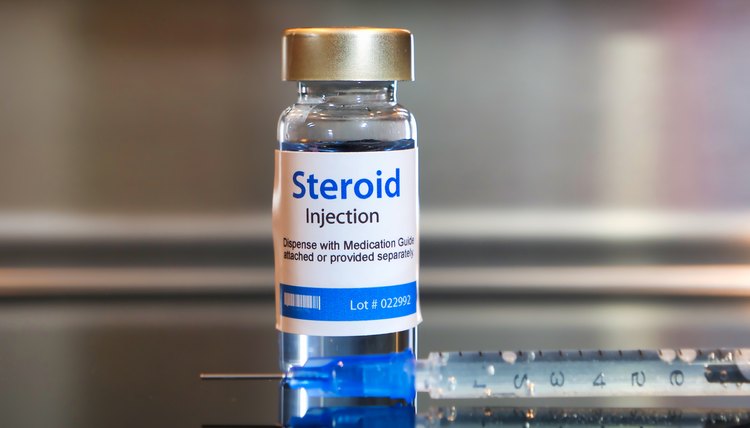
Bodybuilding is a discipline that should be approached sensibly.
Use of performance-enhancing drugs is not illegal but it is heavily frowned upon for the average bodybuilder. However, competitive bodybuilders must adhere to the banned substances list for weightlifting federations which include many anabolic steroids. These bodybuilders must undergo rigorous drug testing from organizations like WADA, the World Anti-Doping Association.
Why go natural?
Besides the illegality of it in bodybuilding competitions and other sports, not using PEDs is actually better for your overall health. Steroid users suffer from a variety of side effects like increased appetite, trouble sleeping, mood swings, and an overall decrease in mental health. Diuretics like creatine monohydrate can cause major dehydration which can be fatal if water is not consumed at a decent rate.
References
Writer Bio
Laura Niedziocha began her writing career in 2007. She has contributed material to the Stoneking Physical Therapy and Wellness Center in Lambertville, N.J., and her work has appeared in various online publications. Niedziocha graduated from Temple University with a Bachelor of Science in exercise science. She also has her Associate of Arts in communications from the Community College of Philadelphia.