



















1. Bumps, Bruises and Blood
In their simplest, most basic forms, hematomas are simply bruises. The prefix "hema," in fact, means blood. You get a hematoma when blood vessels break. Breaking of blood vessels causes blood to leak out and gather at the surface of your skin. You are probably looking at pooled blood when you see black and blue marks on your skin.
2. Blunt Trauma Causes Hematomas
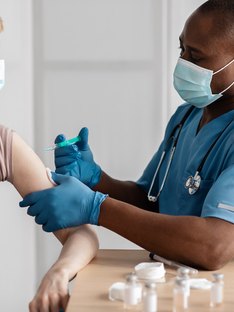
A hematoma forms when you experience blunt trauma to any part of your body. Blunt trauma includes any type of injury to your body's tissue. Sports injuries, vehicle accidents, falls or any type of physical abuse may cause hematomas. Needle sticks in your skin (through injections or IV therapy during a hospital stay, for example) may also cause hematomas.
3. Treat With Ice
Home treatment for routine hematomas mainly involves ice treatment. Make a simple ice pack with items you have around your home: Fill a plastic bag with crushed ice, or, if you don't have a plastic bag, wrap ice in any type of plastic wrap. Don't put ice directly on your skin, as this makes the pain from a hematoma worse. Wrap a thin towel around your ice pack before placing it on your bruised skin. Leave the ice pack on for 15 to 20 minutes at a time. Use ice packs about every 2 hours. Ice pack treatment helps to relieve the pressure, swelling and pain caused by hematomas.
4. Blood Clot Warning
A simple hematoma is nothing to worry about. The blood is absorbed back into your bloodstream from your skin's tissue and your bruises fade away. There are times when hematomas may be serious, though. Blood clots sometimes form in severe hematomas, including after a severe head trauma, for example, or on any area of your body. Blood clots are dangerous and must be watched, especially in the elderly. If a blood clot is released into vascular circulation, it may travel to your lungs, causing pulmonary embolism. A blood clot may also travel to your heart or brain, causing an aneurysm and possible death.
5. Signal Symptoms
Watch for signs and signals of serious complications from hematomas. These symptoms include swelling around bruised skin. Swelling that puffs up and sticks out from your bruise may be a sign of blood clot. Constant throbbing pain (not just tenderness to the touch) may also signal blood clot. Redness around your bruised area and skin feeling warm to the touch may also be signs of blood clots forming from hematomas.


