
What Do You Wear to the Gym on a Cold Day?
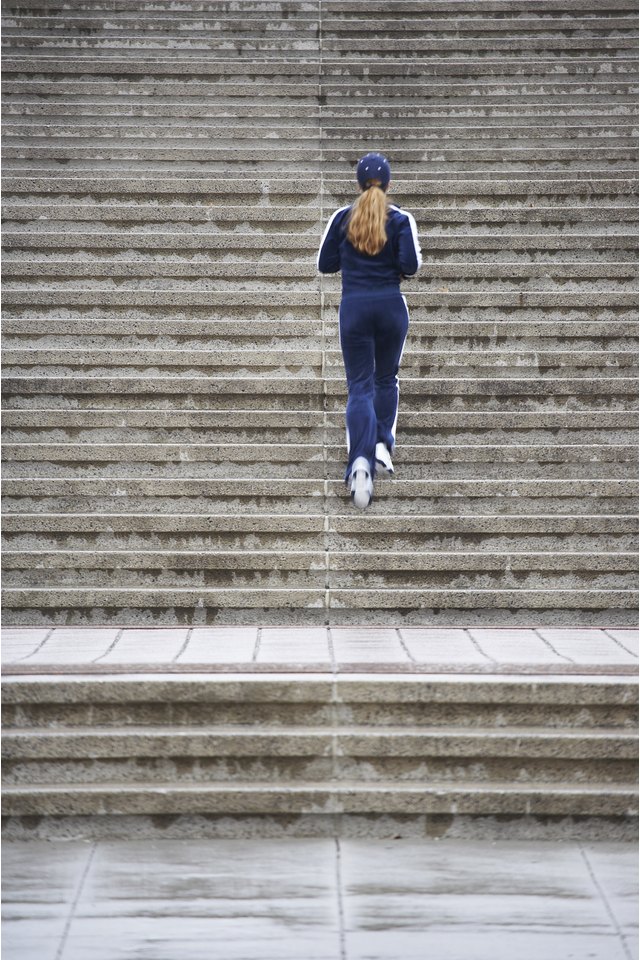
Going to the gym is an excellent excuse to buy new workout wear. Acquiring an athletic wardrobe in addition to your regular one can be a fun reason to fill your closet with clothes you might not otherwise purchase. Exercising in cold weather means wearing more layers and having the ability to shed them once you've reached your peak performance temperature.
Heating Up
Just because you get hot and sweaty when you exercise, doesn't mean you should dress like it's summertime. Even if you know you'll be warm when you're done working out, it's important to cover-up before entering the elements.
The Magic Word: Layering
Dressing in layers isn't just for fashionistas-- athletes actually benefit the most from peeling off and piling on thin layers. Wearing spandex leggings underneath sweatpants is one way to shed a layer while working out and then covering up once the workout is complete. Layering a breathable cotton t-shirt with spandex, polyester, nylon, polar fleece or a wind breaker provides a couple barriers to cold weather while avoiding overheating.
Outdoor Workout
If your physical routine takes you outside when it's chilly, be sure to cover your head and hands, as most of your body heat can escape this way. A tight-fitting hat or beanie, either knit, woven or fleece will keep the head warm and can be easily removed as desired. Wearing gloves will help keep the extremities warm, therefore keeping body temperature comfortable. Wearing breathable socks is another way to ensure that the feet and toes don't suffer from frostbite.
Cold Weather Risks
Cold weather causes the body's blood flow to be concentrated in the core. It's best to exercise indoors when it's cold, wet or windy outside because extreme elements can cause injury and even illness. Wearing shoes with proper soles and traction will minimize the risk of slipping, and wearing a waterproof anorak or windbreaker will keep the body and clothing underneath dry.
References
Writer Bio
Alisa Wolfson is a Los Angeles-based writer. She has contributed to the "New York Post," "Us Weekly," "Angeleno" and "Modern Luxury California Brides." Wolfson also writes a style blog for The Huffington Post.