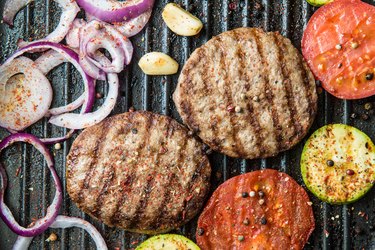
Beef, pork, poultry and fish can all fit into a healthy weight-loss plan. But the best meats for weight loss are usually the leaner cuts.
Lean meats are best for weight loss because they're rich in protein while generally low in fat. Your weight-loss efforts will benefit from the protein, because the nutrient can help keep you fuller faster and for longer.
Video of the Day
Video of the Day
If you choose fish, especially salmon, tuna, sardines and mackerel, the omega-3 fatty acids may also help reduce abdominal fat.
When you're cooking, you'll want to be mindful of fat (including oil and butter) you're using. There are other preparation tips — like fat trimming and draining — that can help cut the fat even further.
Healthy Meats for Weight Loss
So, what are the healthy meats for weight loss? The meat you choose for a diet should be lean, or even better, extra lean.
The USDA defines the maximum amount of total fat, saturated fat and cholesterol that meat and poultry can have to meet the criteria for lean or extra lean.
The chart below details the nutrition for several different kinds of lean meats.
Lean Meat for Weight Loss
Type (3-oz serving) | Calories | Fat | Protein |
|---|---|---|---|
Roasted Turkey Breast | 125 | 1.8 g | 26 g |
Roasted Chicken Breast | 140 | 3 g | 26 g |
Ground Beef Patty (93% lean) | 164 | 7.6 g | 22 g |
Lean Pork Tenderloin | 171 | 6.9 g | 25 g |
Wild Atlantic Salmon | 155 | 6.9 g | 22 g |
Lean and Extra Lean Beef and Red Meat
If you're trying to lose weight, you'll want to choose beef that is labeled "lean" or "extra lean" to ensure you're getting the meat with the least amount of fat.
A 3.5-ounce serving (about 100 grams) of beef can be defined as "lean," according to the USDA, when it contains less than:
- 10 grams total fat
- 4.5 grams saturated fat
- 95 milligrams cholesterol
Ground beef, aka hamburger meat, is considered lean if it is at least 92 percent lean, which means it's only 8 percent fat. Extra lean ground beef is at least 94 percent lean, according to Cargill Ground Beef.
A 3.5-ounce serving (about 100 grams) of beef can be defined as "extra lean," according to the USDA, when it has less than:
- 5 grams total fat
- 2 grams saturated fat
- 95 milligrams cholesterol
The leanest cuts of beef include round steaks and roasts (eye of round, top round, bottom round, round tip), top loin, top sirloin and chuck shoulder and arm roasts.
The leanest cuts of pork include tenderloin, center loin and ham.
Lean Poultry Picks
For chicken and turkey, a 3-ounce portion of white meat without skin is considered an extra lean choice, while skinless dark meat is a lean choice.
Turkey for Weight Loss
Some people may wonder if turkey is good for weight loss. When compared with other meats, this bird may be one of the better options.
Including turkey in your weight-loss diet in place of other foods can prove beneficial, especially if you're getting rid of a fattier meat in favor of turkey.
Consider grilling a turkey burger instead of a hamburger, says New York-based dietitian Kara Ellis. Just be sure to purchase ground turkey that's at least 90-percent lean.
There are many tasty ways to swap in turkey for other types of meat: You could make a chili with ground turkey, switch from a ham sandwich to a turkey sandwich, or use turkey breast steaks in a stir-fry.
While turkey poses several potential benefits over other protein sources when you're trying to lose weight, adding turkey to your diet won't instantly make the pounds fall off.
When you eat turkey, you still need to ensure you're eating the right amount of calories for your body weight and your weight-loss goals.
Aim to get your protein from a variety of sources, including poultry, lean red meat, oily and non-oily fish, dairy and plant proteins such as beans. It's also important to include fruit and vegetables in your diet.
Fish for Weight Loss
When you plan a weight-loss menu, try to replace two servings of meat every week with seafood. This amount of seafood supplies the healthy omega-3 fatty acids that lower blood levels of triglycerides and help prevent heart disease.
Pink salmon, trout and tuna or canned light tuna are good choices because they're lean and lower in mercury. A 3-ounce serving has around 130 to 150 calories and 20 to 26 grams of protein.
The omega-3 fatty acids you'll get from fish may not directly contribute to weight loss, but they can still help, according to a November 2015 review in PLoS One. In the review, researchers analyzed 21 previously published studies that looked at omega-3 fatty acids and weight loss.
While the omega-3s didn't increase the amount of total weight lost for study participants, it may have aided in additional abdominal fat. More research is needed to better understand omega-3s and and how the fatty acids may help promote fat reduction.
How to Prepare and Cook Meat for Weight Loss
Lean meats, poultry and fish may help benefit weight loss, but it's easy to negate many of the health benefits if you're not cooking and prepping your lean meats properly.
Here are some tips that can help you keep meat lean:
1. Trim the Fat
Fat has more calories than protein. To keep things lean, cut off any visible, solid fat from meat before cooking your meat. Before eating, remove any remaining visible fat, per the Mayo Clinic.
2. Drain Ground Meat
Put ground meat in a strainer of colander after you cook it to drain the fat. You might also blot the meat with a paper towel to remove excess moisture and fat, per the Mayo Clinic.
3. Chill the Meat
You won't always be able to chill meat, but when you do, it'll be easier to skim off any extra fat. When the meat is chilled, the fat will harden into a gelatinous substance that you'll easily be able to skim and discard, per the Mayo Clinic.
4. Mind Your Cooking Method
Looking for the healthiest way to cook your meat?
Frying your meat will add extra calories and fat to your meal — not exactly what you want when you're focused on weight loss.
Skip frying and go with poaching, grilling, baking, braising or broiling the meat, poultry or fish instead, per the Mayo Clinic. Cooking meat in an air fryer is another newer, popular prep method — and is healthier than frying meat with oil.
Roasting can also be a good option, as long as the meat is on a rack so the fat can drain. If you need to rub the skin with fat before grilling or roasting, use vegetable oils — liquid or sprays — instead of butter.
5. Eat Meat in Moderation
Choosing lean cuts of meat is a great option for eating meat when you're on a diet. That said, it's important to keep moderation in mind — red meat and poultry can aid in weight loss, but eating it in excess can have negative effects on your health.
Adults shouldn't eat more than a total of 5.5 to 6 ounces (156 to 170 grams) of cooked lean meat, fish, shellfish or skinless poultry a day, according to the Dietary Guidelines for Americans.
Consider meat a side dish rather than the main event, recommends the Mayo Clinic, and focus your attention on greens and healthy grains to find weight-loss success.
And don't forget — while meat can help your weight-loss efforts, eating it isn't necessarily the only way to lose weight. Vegetarian sources of protein, including beans, soy, nuts and seeds can also provide the nutrients you need to support your goals, as well as many other benefits, per the USDA.
- USDA: "How do I choose lean meat and poultry?"
- Cargill Ground Beef: "What's Lean and What's Not?"
- PLoS One: "Does Fish Oil Have an Anti-Obesity Effect in Overweight/Obese Adults? A Meta-Analysis of Randomized Controlled Trials"
- Mayo Clinic: "Cuts of beef: A guide to the leanest selections"
- Dietary Guidelines for Americans, 2020 - 2025
- USDA: "Protein foods"
- Mayo Clinic: "Healthy Cooking"
- PLoS One: Does Fish Oil Have an Anti-Obesity Effect in Overweight/Obese Adults? A Meta-Analysis of Randomized Controlled Trials