How to Lose Weight During Perimenopause
The changes that occur during perimenopause can be uncomfortable and frustrating for many women. Heavier periods and more pronounced premenstrual symptoms, night sweats and hot flashes, migraines and mood swings are among the physical and emotional effects of this period before menopause. In addition, you may find that you put on weight more easily during this time. A healthy diet and exercise program can not only help you shed extra pounds, but it can also help you manage some of the other symptoms you're experiencing.
Eat Enough But Not Too Much
Balancing your calorie intake for healthy weight management is important in any stage of your life, and keeping your calorie intake below your calorie needs will encourage weight loss. According to the U.S. Department of Agriculture, moderately active women in their 40s and 50s need approximately 2,000 calorie per day to maintain their weight. To lose weight at a safe and sustainable rate of 1 to 2 pounds per week, reduce your calorie intake, increase your activity level or do a combination of both to create a daily deficit of 500 to 1,000 calories.
Diet Details
How to Jump-Start Your Metabolism While in Menopause
Learn More
Almost as important as how many calories you eat is what provides those calories. When you reduce your calorie intake, make sure your calories are coming from satisfying foods that supply all the nutrients your body needs -- especially those nutrients that are important for your body during perimenopause. Fresh fruits and vegetables supply vitamins, minerals, fiber and phytonutrients. Fiber helps to fill you up and keep you feeling full so you feel satiated with less food. Lean protein sources such as light-meat chicken, fish and beans also help keep your belly full because protein is a more satiating nutrient than either carbohydrates or fats, according to a study published in 2008 by the "American Journal of Clinical Nutrition." Round out your diet with low-fat dairy, whole grains and nuts and seeds.
Focus Foods
While reducing your calorie intake, focusing on certain foods can aid weight loss and reduce perimenopause symptoms. Registered dietitian Kate Geagan recommends consuming omega-3-rich foods such as salmon, walnuts and flaxseeds to support a healthy mood. Geagan also suggests upping your intake of legumes, including beans and lentils, because they offer a one-two punch of fiber and protein. In addition to being low in calories and promoting satiety for weight loss, protein and fiber help regulate blood sugar after meals to avoid mood swings. They're also rich in vitamins B-6 and folate, which Geagan says are cofactors for enzymes needed for estrogen metabolism.
Foods to Avoid and Adding in Exercise
The Best Ways to Improve a Petite Body
Learn More
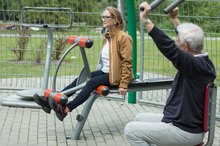
Avoiding certain foods can be just as important for weight loss and reduced perimenopause symptoms as eating other foods. Eschew precessed foods with added sugars, caffeine and alcohol, which can upset your mood, says Geagan. These foods are also full of empty calories that will add inches to your waistline. To further accelerate weight loss and elevate your mood, regular exercise is key. Fitness expert Maria Luque recommends women in perimenopause exercise 60 minutes each day. Perform cardio exercise at a moderate intensity, or 50 percent to 70 percent of your target heart rate, and engage in resistance training or Pilates to support healthy bone density, recommends Luque.
Related Articles
How to Jump-Start Your Metabolism While in Menopause
Learn More

The Best Ways to Improve a Petite Body
Learn More

Does Your Metabolism Increase When You're Pregnant?
Learn More

About Low-Carb Diet & Menopause
Learn More
How to Lose Weight When You Are 57 Years Old
Learn More

Caloric Requirements for the Bedridden
Learn More
How to Lose 15 Pounds in One Month
Learn More

How to Increase Libido in Your 60s
Learn More

How to Stop Hunger Pains Without Eating
Learn More

Can the Food You Eat Change Your Period?
Learn More
References
Writer Bio
Jody Braverman is a professional writer and editor based in Atlanta. She studied creative writing at the American University of Paris and received a Bachelor of Arts in English from the University of Maryland. She also received personal trainer certification from NASM and her 200-hour yoga teacher certification from YogaWorks.