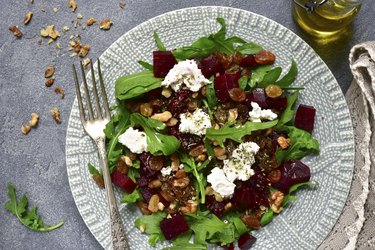
High blood pressure, aka hypertension, can put you at risk for heart problems, so it's important to take steps to prevent or lower it. Fortunately, snacking on the best foods to lower blood pressure may help you manage the condition.
Blood pressure is the force exerted by blood as it pushes against the walls of your blood vessels. It's generally reported as two numbers: An upper number, called systolic pressure, and a lower number, called diastolic pressure. Normal systolic blood pressure in adults is lower than 120 and normal diastolic pressure is lower than 80, per the American Heart Association (AHA).
Video of the Day
Video of the Day
High blood pressure is anything over 130/80, according to the AHA. And chronic, long-term high blood pressure increases your likelihood of a heart attack, stroke, peripheral vascular disease and kidney disease.
If you have hypertension, you're not alone. In fact, high blood pressure statistics show you're in the company of about 100 million other Americans whose numbers are above the normal range, according to the AHA.
The good news is that this condition is largely treatable. Aside from risk factors you can't do anything about, such as genetics and aging, many cases of hypertension can be prevented and even resolved through diet.
That's right: Certain foods can help decrease blood pressure when coupled with eating a nutritious diet overall. Here are the best foods to lower blood pressure, plus other tips for how to lower blood pressure fast.
1. Prunes
This unassuming dried fruit, more often associated with relieving constipation, is packed with a solid dose of potassium. And higher potassium intake can help lower blood pressure, according to a June 2019 review in Nutrients.
"Potassium-rich foods can help reduce blood pressure by lowering sodium," Soma Mandal, MD, a board-certified medical internist, tells LIVESTRONG.com. Indeed, potassium helps pull sodium out of your body and also relaxes your blood vessels to help blood flow easier, according to the AHA.
Just one-half cup of prunes gives you almost 700 milligrams of potassium, which is about 20 percent of the recommended daily value, according to the National Institutes of Health (NIH).
Don't go overboard on potassium, though — stick to the following 2020-2025 Dietary Guidelines for Americans-recommended daily amounts for adults:
- People assigned female at birth (AFAB): 2,600 mg
- People assigned male at birth (AMAB): 3,400 mg
Warning
Talk with your doctor if you have kidney disease, because eating more potassium may not be recommended for you, per the NIH.
2. Watermelon
Your favorite summertime fruit makes the list because it contains a compound called citrulline, which is being studied for its numerous benefits on sport performance and health, including its effects on blood pressure.
According to an August 2016 study in Nutrients, your body converts citrulline to the amino acid arginine, and arginine is converted to nitric oxide. Nitric oxide is a vasodilator, which means it helps open up your blood vessels to lower your blood pressure.
If watermelon isn't in season, you can get a dose of citrulline from other natural foods to reduce blood pressure, like cucumbers, bitter melon or pumpkins, according to a February 2013 review in Fundamental & Clinical Pharmacology.
3. Berries
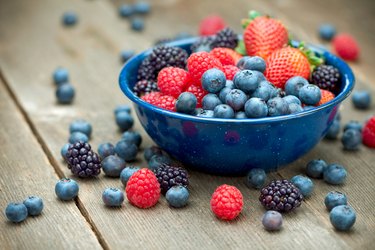
What other fruits help lower blood pressure? Berries, including blueberries, strawberries, raspberries, blackberries, cranberries, cherries and grapes (yes, grapes are berries and do help lower blood pressure).
Berries contain a flavonoid called anthocyanin, which is a powerful antioxidant and is responsible for the dark red, purple and blue colors in many fruits and vegetables.
Anthocyanins can help lower blood pressure by increasing nitric oxide, which opens up blood vessels, according to a June 2019 review in Nutrients. They also work against compounds in the body that can cause vasoconstriction, or narrowing of your blood vessels.
4. Citrus Fruits
Citrus fruits like oranges and grapefruit are also among the best foods to lower blood pressure because they're packed with vitamins, minerals and nutrients with antihypertensive properties, per a May 2016 review in the Journal of Clinical and Experimental Cardiology.
For instance, these fruits contain polyphenols, a type of natural plant compound that may help manage high blood pressure.
Citrus fruits also contain vitamin C, fiber and antioxidants, which can further support healthy blood pressure, according to the review.
5. Bananas
Bananas are another food to eat to lower blood pressure because they're packed with potassium — 326 milligrams per ripe fruit, to be exact, per the U.S. Department of Agriculture (USDA).
That's because potassium-rich foods help remove excess sodium for your body and help your blood flow easier, according to the AHA.
Tip
Another benefit of bananas and other high-potassium foods is that they may help lower your risk for stroke, according to the AHA.
6. Avocado
Potassium-packed avocados are another good food for blood pressure control. Just one fruit contains 690 milligrams of the nutrient, according to the USDA.
This creamy fruit likewise helps remove sodium from your system while supporting better blood flow, per the AHA.
7. Tomatoes
Here's another culinary method for how to decrease your blood pressure: Eat plenty of tomatoes.
Research links eating tomatoes to improved blood pressure, as well as a decreased risk for developing heart disease, according to a February 2017 review in Atherosclerosis. This may be because the fruit is rich in lycopene, a natural plant compound and antioxidant that may support heart health.
8. Beets
Enough about fruit — what vegetables lower blood pressure? While beets may not be your favorite veggie, they should be if you have high blood pressure.
That's because beets are high in nitrate, which may help relax your blood vessels to promote better blood pressure, according to a January 2016 review in Current Hypertension Reports.
Indeed, a November 2014 study in Hypertension found that people who drank beet juice experienced lower blood pressure and better vascular function than people who drank beet juice with the nitrate removed (though it's important to note that this only establishes a link between nitrates and lower blood pressure, not a proven cause).
9. Swiss Chard
It's OK if you'd rather take a hard pass on beetroot, though.
Lucky for you, dark green leafy vegetables also contain good amounts of nitrate, per a March 2017 paper in the African Journal of Traditional, Complementary and Alternative Medicines.
Enter chard. The green not only contains nitrate, but is also a great source of potassium and magnesium (136 and 29.2 milligrams, respectively), according to the USDA. Magnesium, like potassium, helps blood vessels relax to support normal blood pressure, per Harvard Health Publishing.
Aim to get the following Dietary Guidelines for Americans-recommended doses of magnesium per day:
- People AFAB: 310 to 320 mg
- People AMAB: 400 to 420 mg
10. Spinach
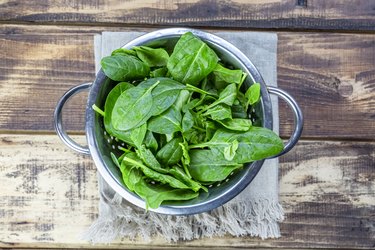
Spinach, too, is among the best foods to lower blood pressure because of its high nitrate, potassium and magnesium content, according to Harvard Health Publishing.
One cup of the leafy green gives you 167 milligrams of potassium and 23.7 milligrams of magnesium, per the USDA, not to mention a solid dose of the health-supporting antioxidants found in plants.
11. Kale
Kale is another veggie packed with nitrates to help keep your blood pressure in check, per the African Journal of Traditional, Complementary and Alternative Medicines research.
According to the USDA, a cup of raw kale also contains 71.7 milligrams of potassium and 6.74 milligrams of magnesium to further support good blood pressure.
12. Carrots
Carrots are another ideal food for blood pressure regulation. The crunchy veggie is full of phenolic compounds, which are substances found in plants that have antioxidant effects and can help your blood vessels relax to promote blood flow, per older September 2011 research in the Nutrition Journal, which is still cited in new studies.
Eating plenty of phenolic-rich foods has also been linked to decreased risk for heart conditions, according to the research.
13. Celery
Here's another crunchy food to bring down blood pressure: Celery contains phthalides, a type of natural plant compound that can help expand smooth muscle in your blood vessels, which may contribute to lower blood pressure, per a December 2019 review in Phytotherapy Research.
It also contains phenolic acid and antioxidants, according to the review, which can likewise support healthy blood pressure.
14. Broccoli
Add broccoli to your list of foods that lower blood pressure quickly, as the veggie is rich in heart-healthy flavonoids, according to a March 2017 study in Hypertension.
The same study also found that eating four or more servings of broccoli each week is linked to decreased risk for high blood pressure.
15. Yogurt
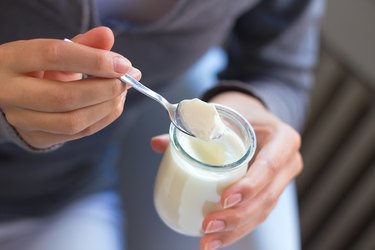
If yogurt is part of your daily breakfast routine or you like to eat it as a snack, you may be well on your way to lowering your blood pressure.
According to an August 2019 study in the American Journal of Clinical Nutrition, people who ate five to six servings of low-fat dairy each day for six weeks experienced a reduction in both systolic and diastolic blood pressure compared to those who ate one or less servings.
One serving was 8 ounces of skim milk (two or more servings each day), 7 ounces of low-fat yogurt (two or more servings each day) or 1 slice of reduced-fat cheese (no more than two slices).
The researchers in the study hypothesize that the combination of calcium, potassium and magnesium from the dairy are partly responsible for the drop in blood pressure.
Tip
Just be sure to pick a yogurt that's free of added sugars, as foods with excess sugar are not heart-healthy, per the AHA.
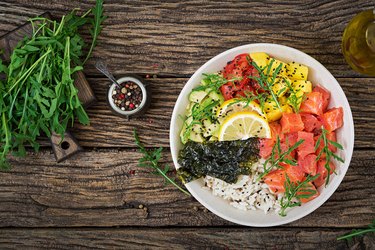
16. Salmon and Other Fatty Fish
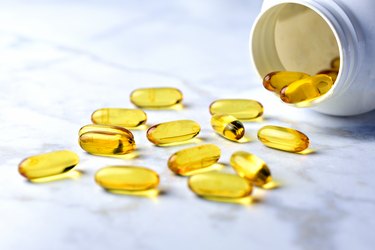
Perhaps you've heard that eating fish at least twice a week is good for your heart. That's because most fatty fish, including salmon, contains omega-3 fatty acids.
According to the Harvard T. H. Chan School of Public Health, omega-3 fatty acids not only lower blood pressure, but they also help lower heart rate and improve blood vessel function.
17. Nuts
If you're a vegetarian or fish just isn't your thing, you can get omega-3 fatty acids from plant-based foods like walnuts, according to the Harvard T.H. Chan School of Public Health.
Almonds, macadamia nuts, hazelnuts and pecans may likewise support heart health, per the Mayo Clinic.
18. Seeds
Seeds are also packed with omega-3s, according to the Harvard T.H. Chan School of Public Health.
Chia seeds, flaxseed and even flaxseed oil are nutritious sources of the heart-healthy fatty acid, which can help lower your blood pressure and heart rate and better your blood vessel function.
19. Legumes
Legumes like beans, peas and lentils may also be a powerful antihypertensive food. They're rich in fiber, magnesium and potassium, all of which can support healthy blood pressure.
What's more, research suggests that increasing the amount of legumes you eat can help lower your blood pressure, according to a January 2014 review in the American Journal of Hypertension.
20. Oats
Oats have long been regarded as a staple part of a nutritious diet because they are a rich source of fiber. That fiber, which is touted for lowering cholesterol, can also lower your blood pressure, Dr. Mandal says.
She recommends steel-cut oats. "There has been research that the specific type of fiber called beta-glucan can reduce blood pressure," she says. You can also find beta-glucan fiber in barley and breakfast cereals made from oats and barley, such as Cheerios.
Indeed, a May 2015 review in the Journal of Hypertension found that beta-glucan fiber is linked to lower systolic and diastolic blood pressure.
21. Whole-Grain Bread
Oats aren't the only antihypertensive grain — you can also eat the best bread for high blood pressure, which is whole wheat.
Research found that eating 30 grams of whole grains per day was associated with a lower risk for hypertension, per a November 2017 review in Advances in Nutrition. This suggests that wheat bread and blood pressure are linked and that getting plenty of grains may support heart health.
Try These Recipes With the Best Foods to Lower Blood Pressure
More Tips for Lowering Blood Pressure

Your diet can be an effective way to prevent or manage hypertension. But there are other tools for how to lower your blood pressure quickly. Here are some of those tips:
1. Lower Your Salt Intake
Besides eating the foods listed above, it's also best to limit the sodium in your daily diet to less than 2,300 milligrams if you don't already have high blood pressure, according to the Academy of Nutrition and Dietetics.
If you already have high blood pressure, the AHA recommends reducing your salt intake even further, to around 1,500 milligrams per day (that's less than 1 teaspoon, for reference).
2. Try a Heart-Friendly Diet
The DASH diet, which stands for Dietary Approaches to Stop Hypertension, is specifically tailored to help you take your blood pressure down. The diet is high in fruits, vegetables, whole grains, legumes, nuts, seeds and low-fat dairy while also being low in sodium.
Alternatively, Dr. Mandal suggests eating a Mediterranean diet, which is rich in fruits, vegetables, lean proteins and whole grains.
3. Limit Caffeine and Alcohol
What else can lower blood pressure quickly? Keeping the caffeine and alcohol to a minimum. Dr. Mandal recommends no more than one to two cups of coffee per day.
She also suggests those with high blood pressure especially limit their alcohol intake. The AHA recommends no more than two drinks per day for people AMAB and one per day for people AFAB.
4. Double Check the Measurement
If you measure your blood pressure and find it's extremely high, you may be wondering how to get your blood pressure down quickly. First things first, make sure the reading is accurate before taking steps to lower blood pressure immediately.
It's especially important to place the cuff in the correct location and keep your arm in the recommended position, per the AHA. Each blood pressure machine used at home or in a store will have its own set of directions for proper use, so follow those instructions to get an accurate reading.
If your initial reading is high, re-read the instructions, make any necessary adjustments and then take your blood pressure again. Make sure enough time has passed between readings so that you're not repeatedly squeezing the same arm in a short amount of time.
5. Rest and Relax
If your reading remains high after repeating the measurement and you need to bring your blood pressure down quickly, the next step is to sit or lie down and try to relax.
Both physical exertion and mental stress stimulate your body to release stress hormones, which, in high levels, can increase your risk for high blood pressure, according to the AHA.
Preventing your stress levels from spiking is also an important way to prevent high blood pressure in general, Dr. Mandal says. "I recommend regular exercise and managing stress," she says.



6. Seek Medical Attention
Sometimes, there's no way to treat high blood pressure at home immediately and a medical professional needs to get involved.
If your blood pressure is 130/80 or higher and you want to know how to lower the pressure quickly, contact your doctor. They may have you come in for a visit, where they can check your health and recommend treatments like prescription medication or lifestyle changes.
Get medical attention right away if your blood pressure is 180/120, according to the AHA. Call 911 immediately if your high reading is accompanied by the following symptoms, in which case lowering blood pressure quickly at home will not suffice:
- Chest or back pain
- Shortness of breath
- Changes in vision
- Weakness
- Difficulty speaking
- Numbness
- American Heart Association: "More than 100 million Americans have high blood pressure, AHA says"
- American Heart Association:"Understanding Blood Pressure Readings"
- Academy of Nutrition and Dietetics: "The Facts on Sodium and High Blood Pressure"
- American Heart Association: "Why Should I Limit Sodium?"
- National Institutes of Health: "Potassium"
- Nutrients: "The Effect of Electrolytes on Blood Pressure: A Brief Summary of Meta-Analyses"
- Nutrients: "Comparison of Watermelon and Carbohydrate Beverage on Exercise-Induced Alterations in Systemic Inflammation, Immune Dysfunction, and Plasma Antioxidant Capacity"
- Hypertension: "Dietary Nitrate Provides Sustained Blood Pressure Lowering in Hypertensive Patients"
- Nutrients: "Potential Factors Influencing the Effects of Anthocyanins on Blood Pressure Regulation in Humans: A Review"
- American Journal of Clinical Nutrition: "Effect of high compared with low dairy intake on blood pressure in overweight middle-aged adults: results of a randomized crossover intervention study"
- Harvard T.H. Chan School of Public Health: "Omega-3 Fatty Acids: An Essential Contribution"
- Journal of Hypertension: "Whole blood omega-3 fatty acid concentrations are inversely associated with blood pressure in young, healthy adults"
- Journal of Hypertension: "Effects of Dietary Fibre Type on Blood Pressure: A Systematic Review and Meta-Analysis of Randomized Controlled Trials of Healthy Individuals"
- National Institutes of Health: "DASH Eating Plan"
- Fundamental & Clinical Pharmacology: "Citrulline: Pharmacological Perspectives and Its Role as an Emerging Biomarker in Future"
- African Journal of Traditional, Complementary and Alternative Medicines: "Nitrate in Leafy Green Vegetables and Estimated Intake"
- Journal of Clinical and Experimental Cardiology: "Role of Dietary Components in Modulating Hypertension"
- U.S. Department of Agriculture: "Bananas, ripe and slightly ripe, raw"
- American Heart Association: "Potassium Intake and Stroke Risk"
- U.S. Department of Agriculture: "Avocados, raw, California"
- Current Hypertension Reports: "Dietary Nitrate Lowers Blood Pressure: Epidemiological, Pre-clinical Experimental and Clinical Trial Evidence"
- Harvard Health Publishing: "Key minerals to help control blood pressure"
- U.S. Department of Agriculture: "Chard, swiss, raw"
- U.S. Department of Agriculture and U.S. Department of Health and Human Services: "2020-2025 Dietary Guidelines for Americans"
- U.S. Department of Agriculture: "Spinach, raw"
- U.S. Department of Agriculture: "Kale, raw"
- Nutrition Journal: "Drinking carrot juice increases total antioxidant status and decreases lipid peroxidation in adults"
- Phytotherapy Research: "Beneficial effects of celery (Apium graveolens) on metabolic syndrome: A review of the existing evidences"
- Atherosclerosis: "Tomato and lycopene supplementation and cardiovascular risk factors: A systematic review and meta-analysis"
- Hypertension: "FRUIT AND VEGETABLE CONSUMPTION AND THE INCIDENCE OF HYPERTENSION IN THREE PROSPECTIVE COHORT STUDIES"
- Mayo Clinic: "Nuts"
- American Journal of Hypertension: "Effect of Dietary Pulses on Blood Pressure: A Systematic Review and Meta-analysis of Controlled Feeding Trials"
- Advances in Nutrition: "Food Groups and Risk of Hypertension: A Systematic Review and Dose-Response Meta-Analysis of Prospective Studies"
- American Heart Association: "Monitoring Your Blood Pressure at Home"
- American Heart Association: "Elevated stress hormones linked to higher risk of high blood pressure and heart events"
- American Heart Association: "Added sugars"
Is this an emergency? If you are experiencing serious medical symptoms, please see the National Library of Medicine’s list of signs you need emergency medical attention or call 911.