
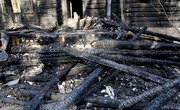
Standard homeowners insurance (HOI) offers protection against damages or financial loss associated with private residences. When the homeowner wants more coverage, he may purchase a broad form homeowner’s policy (HO2). A broad form policy must meet the Insurance Services Organization (ISO) requirements to provide additional protection against financial loss as a result of specific conditions. A broad form policy is an extension of a basic homeowner’s policy.
Features
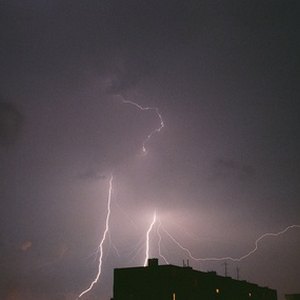
Broad form homeowners insurance covers the cost to repair damages or rebuild portions of the home if damage occurs as the result of named perils, including most storm damage, such as lightning, hail, wind, freezing and structural damage from heavy snow. Policies differ from area to area and from provider to provider, but, in general, they will cover an additional 11 to 17 perils not included on a basic homeowner’s policy.
Homeowner’s Liability
Broad form insurance may cover the homeowner if bodily injuries occur on his property in which he would otherwise be legally responsible to pay for the injuries. In addition to paying for medical bills, the policy may contribute to the legal costs the homeowner faces in defending himself against charges of negligence.
Exclusions
A broad form policy lists the covered perils, and if it’s not on the list, it’s likely that you’re not insured against that peril. If you live in an area that suffers from frequent floods, your broad form policy will probably not include floods. Likewise, if you live in an area that experiences frequent mudslides or earthquakes, those may be exclusions on your broad form policy, and you must purchase individual policies to cover them.
Cost
While you can’t choose the list of covered damages, you may reduce the cost of a broad form policy premium by accepting a higher deductible. The final cost for a broad form policy depends upon the value of your home. The more expensive your home, the higher the premium will be.
Considerations
You may need additional insurance coverage to protect rental property on your lot or land. In addition to broad form coverage, you may purchase special form coverage that covers incidents, such as sewer backups or damage to your landscaping. Because policies and premiums vary, it’s important to compare different plans before choosing one.
Writer Bio
Glenda Taylor is a contractor and a full-time writer specializing in construction writing. She also enjoys writing business and finance, food and drink and pet-related articles. Her education includes marketing and a bachelor's degree in journalism from the University of Kansas.