
How to Fast Safely
Fasting isn't a new idea — many religions have practiced some form for centuries. Recently, fasting has experienced a renaissance among the health conscious who see it as a way lose weight and feel better.
The latest crop of practitioners favor shorter-term options such as intermittent fasting, which can range from nightly fasts for at least 10 hours at a time to skipping meals two days a week or longer-term fasts that might extend for an entire day.
Whatever method you choose, read on for some basic tips to make the process go more smoothly before, during and after your fast.

1. Do Make Sure You’re Fit to Fast
Fasting isn't for everyone. Those who shouldn't consider fasting include pregnant or lactating women, people with diabetes, kids under 18 and anyone with underlying medical problems. In addition, anyone taking prescription drugs should avoid a fasting diet to limit unpredictable reactions.
A good option for those who can't fast is transitioning to cleaner eating, says Christine Palumbo, a registered dietitian in Chicago. She recommends eating whole foods in their most natural state and eliminating rich, sugary, fatty or highly processed foods. "By replacing these with whole fruits and vegetables plus whole grains, your family is better off."
Read more: The Beginner's Guide to 16:8 Fasting for Weight Loss

2. Don't Forget to Tell Your Doctor
If you have any health concerns related to fasting, check with your primary care provider before you begin. "When it comes to the safety of intermittent fasting, this diet can have the opposite effect on your health," says Patricia Bannan, RD, a nutritionist and healthy cooking expert in Los Angeles. "For example, people with low blood sugar need glucose throughout the day and fasting for periods of time can have dangerous effects."

3. Do Fit Your Fast into Your Lifestyle
Think before you fast. Avoid fasting during high-stress times, says San Diego-based Skylar Nelson, RDN. "Definitely begin the process at a time of low stress," he says. "Starting an intermittent fasting routine might present some inherent stresses. For example, at first you will constantly be thinking about when you can eat. To manage that, it helps to keep your goals in mind. That will also help keep you on track for success."
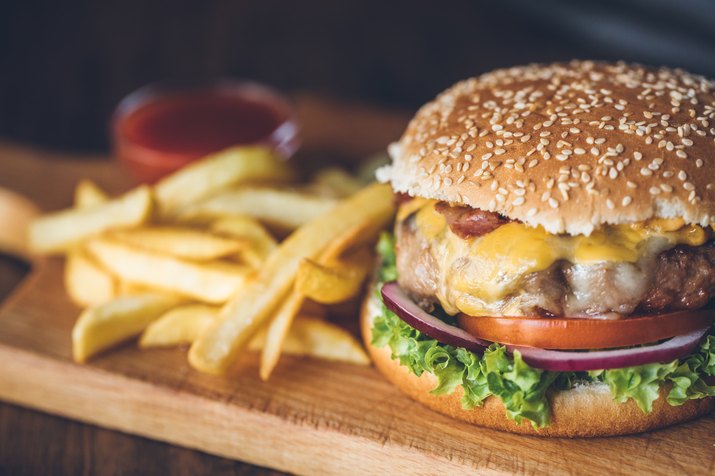
4. Don't Overindulge on a ‘Last Supper’
Before a fast, avoid gorging yourself on a final feast. "Many people think that prior to fasting they should fill up to sustain them through the fasting period, but this is counterproductive," says Jessica Levinson, RDN, author of 52-Week Meal Planner. "Instead, eat a balanced meal of lean protein, healthy fats, non-starchy vegetables and a complex carbohydrate like whole grains or a starchy vegetable. This will help keep your blood sugar levels steady and allow a slower release of energy to get you through the fasting period."
Read more: Why You Probably Shouldn't Try the OMAD Diet

5. Do Prepare Your Mind, Body and Home
Before fasting, make sure you're well-rested and emotionally prepared. In addition to clearing your mind, it's a great time to literally get your house in order. Purge your kitchen of any tempting foods or drinks that aren't aligned with your fasting goals, suggests Palumbo. "Hopefully the less healthy ones will never be seen again," she says.

6. Don't Be a Hero
Fasting can have serious side effects, so it's important to listen to your body and stop if you feel you're pushing too hard or too far. Heart palpitations, dizziness and weakness are among the symptoms that can be causes for concern. "If you feel lousy, stop immediately," Levinson says. "You want to listen to your body and remember that fasting isn't the best choice for everyone. Use common sense and break the fast if you're not feeling right."
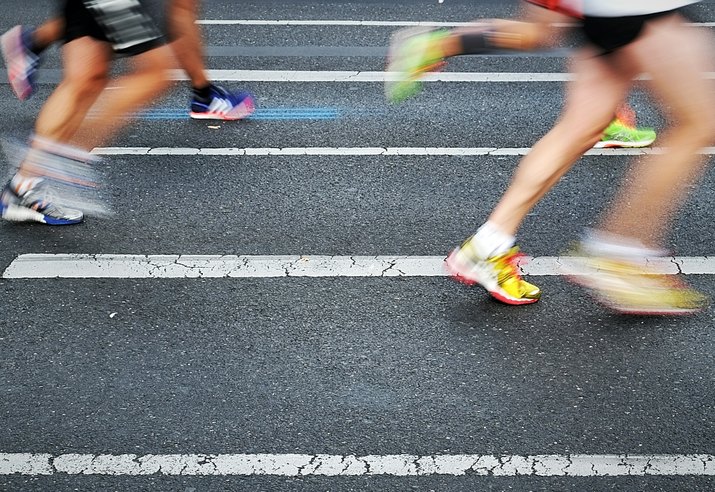
7. Don't Go for the Burn
Thinking about running a marathon or even a 5K? Don't do it while you're fasting. While light exercise is fine, it's best to avoid high-intensity workouts. "Look at your calendar and make sure you don't have extreme activities planned on fasting days, as that will [hurt] your ability to follow through with your fast," Levinson says.
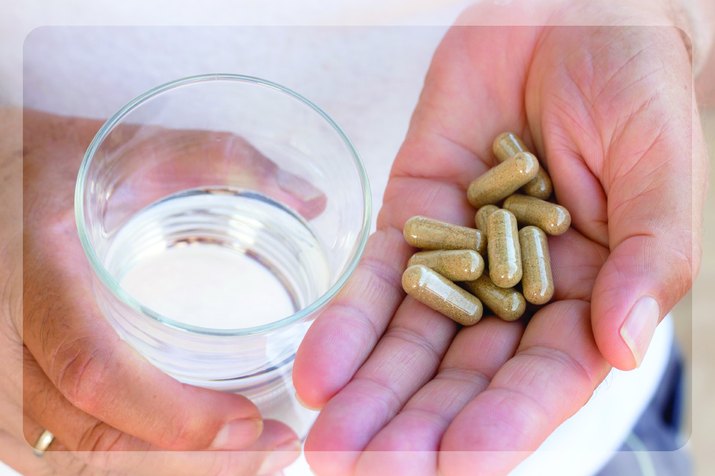
8. Do Take Your Vitamins
Depending on the type of fast you're doing, it may be necessary to get most or all of the vitamins your body needs from supplements. Choose vitamins in liquid form for easier digestion during fasting. Palumbo suggests taking a multivitamin, plus a separate dose of calcium. "Since you'll be missing so many of the vitamins and minerals provided by food when fasting, it's important to replace them," she says. Your best bet: Consult with your primary care physician who will be able to best advise you on your needs.
Read more: Everything You Need to Know Before You Try Alternate Day Fasting
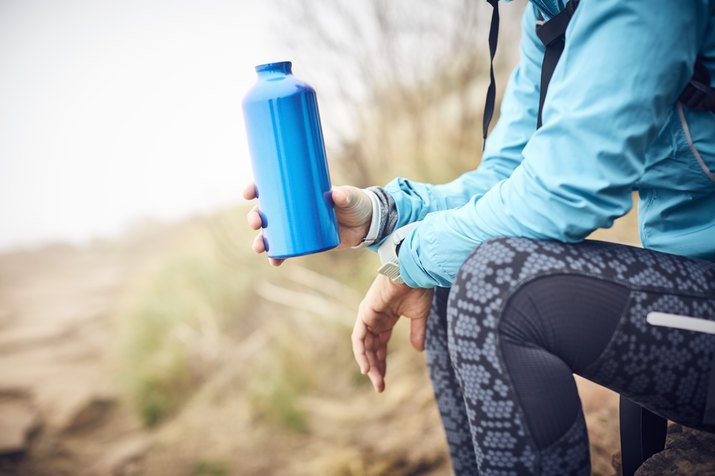
9. Don't Forget to Hydrate
It's crucial to make sure you're drinking enough water while you're fasting. "Keep in mind that much of the water we take in during the day comes from the foods we eat," Levinson says. Staying hydrated will also help to create a feeling of fullness during your fast, Nelson adds. "Consider setting an alarm on your phone as a reminder to drink water throughout the day," he says.
How can you tell if you're getting what you need? "Just check your urine," Palumbo says. "It should be light in color. If it's the color of straw or lemonade or lighter, then you are probably properly hydrated." If not, drink up.

10. Do Find Fun Distractions
So maybe you can't eat chocolate while you're fasting. That doesn't mean you can't indulge in other things. Treat yourself to a massage or mani-pedi or stroll around the mall and do a little window shopping. It's also wise to avoid hunger triggers. Don't plan a trip to the grocery store or go out to dinner with friends and watch them eat. Steer clear of all the mouth-wateringly tempting food photos on Instagram and Pinterest, too.
Read more: How to Stay Positive Through Every Stage of Your Weight-Loss Journey

11. Do Get By with a Little Help From Your Friends
Calling a buddy can help you get through your fast without freaking out. Even better, convince a friend or your partner to do it with you. Nobody's game? Check out support groups online for other fasters feeling your pain. "Creating accountability is a great tool for success," Nelson says. "While you may not be eating the same foods, as everyone's nutrient needs are different, sending — or receiving — a motivational text in the 13th hour of a fast can be very beneficial."

12. Don't Do the Victory Binge
Resist overindulging after the fast. Instead, Palumbo suggests easing back into a healthy routine. "Eat a light diet with three small or five to six mini meals a day," she says. "Avoid hard-to-digest foods like cruciferous vegetables and gradually add back high-fiber foods." Be extra careful if you drink alcohol. "It's OK to have a little alcohol, like a glass of wine, during an eating window, but you don't want to drink alcohol on an empty stomach," Bannan says. "You also don't want to drink first thing when breaking a fast."
Additional reporting by Diana Charkalis
Video of the Day
Advertisement
Video of the Day