
















1. Yes, You Can be Pregnant With IBS
A common concern among female Irritable Bowel Syndrome sufferers is, "How will this affect my pregnancy?" Truth of the matter is, in many ways it won't. IBS will not affect your ability to get pregnant nor will it bother the baby. Unfortunately, the one it will bother is you, the mommy to be. Unpredictably, IBS can wax or wane during pregnancy just as it can on a day-to-day basis. During pregnancy, many of the substances that should be avoided with IBS in general are verboten including caffeine and alcohols.
2. Belly Pain and IBS
Any woman who has been pregnant can relate to the mortal fear of belly pain during pregnancy. Each little twinge in the first trimester is labored over, wondering if there might be something wrong with your baby. Don't let IBS stomach pain overshadow your joy of being pregnant. IBS produces the same sort of uncomfortable cramping that may be suffered with pregnancy problems, but they are not the same. The pregnant woman's best defense is the knowledge that she has IBS, and the ability to discuss IBS flare-ups with your physician so she can differentiate between pregnancy or IBS problems. Take a deep breath and rest assured, by the second semester your risks of loosing the baby drop dramatically and hopefully your cramps will stop triggering mental as well as physical pains.
3. Pregnancy Supplements
A prenatal vitamin taken daily is important, but you may suffer more from the effects. Many prenatal vitamins can cause constipation, which is amplified with Irritable Bowel Syndrome. Increasing your fluid intake is vital to keep yourself and baby hydrated. Pregnant women need to consume at least eight 8-oz. glasses of water daily, not including your other beverages. Also, IBS sufferers frequently have a cabinet full of prescription medications for stomach cramps, diarrhea and constipation. Do not take any prescription medication during pregnancy without first running it by your obstetrician. He will be able to offer a safe alternative to provide you with relief of your symptoms.
4. Pregnant Woman's IBS Diet
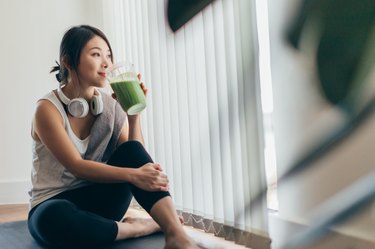
Break out the spinach and orange juice! IBS moms need to ensure a healthy diet that is also belly friendly, including folic acids, fibers and calcium rich foods. During any pregnancy it is wise to eliminate caffeine, alcohol and artificial sweeteners from your diet, which are known IBS triggers. An increase in fiber rich foods such as whole grain and vegetables will help you decrease your bloating and constipation, which are common pregnancy effects as well as IBS symptoms. When nausea strikes, turn to the baby-friendly cures such as foods with ginger or hard candies like peppermints. Your bowels and your baby will thank you!
5. Baby's Health
Don't worry, mom, IBS will not affect your baby's health or birth weight. Your baby will suck her nutrients right out of her umbilical cord. Our bodies make sure that our baby is fed first, meaning you only get the leftover nutrients of what you eat. This is why increased supplements and vitamins are so important during pregnancy! The only way IBS can affect your baby's health is if you let yourself get dehydrated. Dehydration is a common effect of prolonged diarrhea and can actually cause constipation. During pregnancy, your coolest accessory should be a bottle of water!


