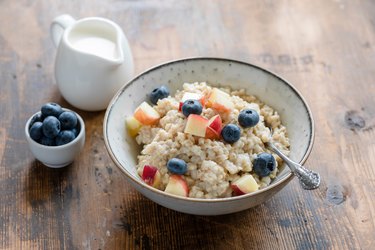
Epilepsy is a common disorder that causes seizures. Anticonvulsant medications are typically the first line of defense against the condition. But maintaining a healthy diet can enhance your overall wellness and potentially reduce symptoms, even though there's no set diet to reduce seizures.
Tip
While there are no specific foods to eat or avoid if you have epilepsy, it's important to support your health while you manage the condition by eating a balanced diet. Research also suggests that the ketogenic diet and modified Atkins diet may help reduce seizures, but don't try these without the recommendation and supervision of your doctor.
Video of the Day
Foods to Eat With Epilepsy
There's no specific diet to prevent seizures and little evidence to suggest that healthy eating alone can manage epilepsy. Nonetheless, the Epilepsy Society still recommends a balanced diet so your body and brain get the nutrients they need to stay as well as possible.
Video of the Day
Here are the best foods to support your health as you manage seizures.
1. Unrefined Carbohydrates
Carbohydrates are one of the main macronutrients that make up a balanced diet, according to a July 2021 StatPearls article. They're a key source of energy for your body, and healthy carbohydrates also supply fiber and a slew of health-promoting vitamins and minerals.
Per StatPearls, good sources of the nutrient include:
- Whole grains like rolled or steel cut oatmeal, brown rice and whole wheat breads
- Fruits
- Vegetables
- Legumes like peas, beans and lentils
2. Lean Protein
Protein is another important macronutrient that provides energy and helps your body fight infection, per the National Institute on Aging (NIA). It's made of amino acids, which are needed to build and repair tissue, according to Harvard Health Publishing.
Per the NIA, protein-rich foods include:
- Lean red meat
- Poultry
- Fish
- Seafood like shrimp, scallops and lobster
- Beans
- Soy products like tofu or soy milk
- Unsalted nuts and seeds
- Eggs
- Dairy products like milk
Tip
If you follow a vegetarian or vegan diet, eat a variety of plant-based proteins every day to get all the amino acids you need, per the Cleveland Clinic.
3. Healthy Fat
Fat is another crucial macronutrient that gives you energy and helps your body absorb vitamins, per the NIA.
Some healthy sources of fat are:
- Dairy products such as milk, yogurt and cottage cheese
- Poultry
- Seafood
- Eggs
- Seeds
- Nuts and nut butter
- Avocados
- Coconuts
- Vegetable oils
4. Fluids
Staying well hydrated with water is another important part of a balanced diet, per the Epilepsy Society.
The U.S. National Academies of Sciences, Engineering, and Medicine recommends 11.5 cups of fluid from beverages and food per day for people assigned female at birth (AFAB) and 15.5 cups for people assigned male at birth (AMAB). Though these guidelines are from 2004, they're still widely accepted as a ballpark range for daily hydration.
Another good tip for getting enough fluids is to divide your body weight (in pounds) by two and drink that amount in ounces of water or other hydrating beverages each day.
Ask Your Doctor About Vitamins
Anti-seizure medication increases vitamin D turnover in your body and decreases your absorption of biotin, says Cathy Breedon, PhD, RD, a clinical and metabolic nutrition specialist and registered dietitian at Sanford Medical Center in North Dakota. Additionally, certain anticonvulsants may increase your risk of B vitamin deficiencies, like folate and vitamin B12.
Talk with your doctor or dietitian about whether your treatment may contribute to vitamin deficiency and whether you should make any changes to your diet because of it.
Foods to Limit or Avoid With Epilepsy
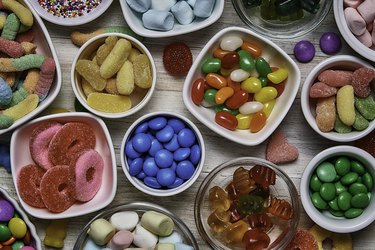
Though things like stress or sleep deprivation can trigger seizures for some people, there are no specific trigger foods, according to the Epilepsy Foundation. In fact, eating in general rarely leads to seizures, per a January 2018 review in Neuropsychiatric Disease and Treatment.
That said, there are some things to avoid with epilepsy in order to keep your body healthy, and they're the same foods to limit or avoid for people without the condition.
1. Saturated and Trans Fats
While healthy fats are a key part of a balanced diet, saturated and trans fats aren't so good for you. They may increase your cholesterol levels and risk for heart disease, per the Cleveland Clinic.
The NIA thus recommends limiting the following sources of saturated and trans fats in favor of healthier options:
- Butter
- Margarine
- Beef fat
- Coconut, palm and palm kernel oils
- Processed foods like packaged cakes, cookies or frozen pizza
2. Caffeine
Caffeine stimulates your central nervous system, according to the Cleveland Clinic. And while more research is needed to better understand the connection between your nervous system, epilepsy and caffeine, there is some evidence to suggest that caffeine may up the odds of having a seizure, according to the Epilepsy Society.
Consider limiting the following caffeinated beverages:
- Coffee
- Tea
- Soda
- Energy drinks
3. Food Additives
Some people report that food additives like artificial sweeteners can trigger seizures, according to the Epilepsy Society.
While more studies are needed to determine this relationship, there is some early research to suggest that artificial sweeteners like aspartame may make you more susceptible to seizures, per a May 2016 review in the Indian Journal of Pharmacology.
According the Mayo Clinic, foods that contain artificial sweeteners include:
- Soda
- Candy
- Pudding
- Packaged baked goods
- Canned foods
- Jams and jellies
Warning
Though they likely won't trigger a seizure, some juices — like pomegranate and grapefruit — may put you more at risk for side effects from common epilepsy drugs like carbamazepine, diazepam and midazolam, per the Epilepsy Society. Ask your doctor about specific foods to avoid based on your medication.
Ketogenic Diet for Seizure Control
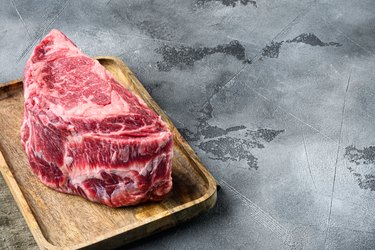
Some doctors recommend the very-low-carb, high-fat ketogenic diet to help manage seizures, according to Johns Hopkins Medicine. Though the trendy diet is typically touted for weight loss, it's been used to treat epilepsy since the 1920s, per an October 2019 review in Nutrients. Today, it's still used to reduce seizures, especially in children with drug-resistant epilepsy, per a January 2018 review in Current Neuropharmacology.
The idea behind the diet is to train your body to burn fat for energy instead of carbs, according to the Cleveland Clinic. Carbohydrates are your body's preferred source of fuel. But when you significantly decrease your carb intake on the keto diet, your body instead burns fat to create ketones to use for energy.
This focus on fats may alter your brain's "excitability," which may in turn lower your risk for seizures, per the Cleveland Clinic. In fact, the Cleveland Clinic reports that about half of children who tried the keto diet had a 50 percent reduction in seizures — though it's important to note that this is a link, not necessarily the cause.
However, the keto diet is restrictive and can be difficult to follow long-term, which is why it's typically only used under medical supervision as an anti-seizure diet for children. Otherwise, following such a low-carb diet can lead to nutrient deficiencies, liver and kidney problems and trouble thinking, according to Harvard Health Publishing, so it's best to only try keto if your doctor recommends it.
Foods to Eat
According to Harvard Health Publishing, common foods you'll find in a keto meal plan include:
- Meat
- Certain low-carb fruits like berries
- Certain low-carb vegetables like leafy greens, cauliflower, broccoli, Brussels sprouts, asparagus and onions
- Unsaturated fats like nuts, seeds, avocados, tofu and olive oil
- Saturated fats like palm and coconut oil, lard and butter
Foods to Limit or Avoid
If your doctor encourages a ketogenic diet, work with them to determine the best foods for you. In general, here are some high-carb foods to leave out of your epilepsy diet menu, per the Mayo Clinic:
- Breads and pastas
- Baked goods and other sweets
- Starchy vegetables like potatoes, sweet potatoes and corn
- Legumes
- Most fruits, like bananas, pineapples, grapes and apples
Choose Healthy Fats
The ketogenic diet includes a lot of saturated fats, which in excess can contribute to other health problems like high cholesterol and heart disease. Prioritize healthy sources of fat by limiting your saturated fat intake to no more than 7 percent of your daily calories, according to Harvard Health Publishing.
Depending on your sex, here are the recommended amount of calories from saturated fat per day based on the 2020-2025 Dietary Guidelines for Americans:
- AFAB: 126 to 168 calories
- AMAB: 168 to 210 calories
Modified Atkins Diet for Epilepsy
If the ketogenic diet seems too restrictive, other low-carb programs like the modified Atkins diet — or MAD — could work for you instead. MAD limits carbohydrate intake to about 10 to 20 grams per day, but otherwise has no cap on the amount of protein, fat, calories or fluids you can consume, according to a January 2014 review in Epilepsy Research and Treatment.
MAD has been tested on people of different ages and found to be helpful for some, per the same review. For instance, a study of 102 children with epilepsy found that seizures reduced by half for 52 percent of those who followed the MAD, compared to just 12 percent of those who did not, according to January 2013 research in Epilepsia.
As you embark on the MAD and start to make Atkins-friendly meals and snacks, there are some foods to consider.
Foods to Eat
The Cleveland Clinic's list of foods to eat on the modified Atkins diet includes:
- Meat
- Eggs
- Cheese
- Butter
- Olive oil
- Certain low-carb vegetables like leafy greens, cauliflower, broccoli, Brussels sprouts, asparagus and onions
- Small amounts of low-carb breads
- Soy or almond flour
Foods to Limit or Avoid
Per the Mayo Clinic, foods to skip on the MAD include:
- Most breads and pastas
- Baked goods and other sweets
- Fruit juice
- High-carb fruits like bananas, pineapples, grapes and apples
- Alcohol
What About Snacks?
Snack foods often contain large amounts of carbohydrates, which isn't ideal for people following the Atkins diet. Some low-carb snack ideas include:
- Flavored gelatin with real whipped cream (made with artificial sugar)
- A handful of nuts
- Muffins and other baked snacks made with almond flour and artificial sweeteners
- Pork rinds
What Is Epilepsy?
About 3.4 million Americans have epilepsy, a central nervous system disorder where abnormal brain activity causes seizures or unusual behavior or sensations, per the Centers for Disease Control and Prevention (CDC).
Seizure symptoms include a blankly staring, collapsing, shaking and loss of consciousness, according to the CDC. Complications related to epilepsy — like falls and car accidents — typically occur during seizures, per the Mayo Clinic.
About half of all people diagnosed with epilepsy have no known underlying cause, according to the Mayo Clinic. For the other half, the neurological condition may be traced back to:
- Genetics
- Developmental disorders like autism or neurofibromatosis
- Prenatal injury
- Head injury
- Brain conditions like tumors or stroke
- Infectious diseases like meningitis, AIDS or viral encephalitis
When it comes to managing epilepsy, the goal is to eliminate or reduce seizure activity and improve your overall quality of life. Most people can successfully manage their epilepsy with anti-seizure medications, according to the Mayo Clinic.
But if medicine isn't helping, your doctor may suggest surgery to remove the area of the brain where the abnormal activity occurs, per the Mayo Clinic. Other treatments, like stimulating your brain or vagus nerve with electrodes, could also help reduce seizures.
- Centers for Disease Control and Prevention: "Epilepsy Fast Facts"
- Mayo Clinic: "Epilepsy"
- Epilepsy Society: "Diet and Nutrition"
- Neuropsychiatric Disease and Treatment: "Reflex Epilepsy: Triggers and Management Strategies"
- StatPearls: "Physiology, Carbohydrates"
- National Institute on Aging: "Important Nutrients to Know: Proteins, Carbohydrates, and Fats"
- Cleveland Clinic: "Do I Need to Worry About Eating ‘Complete’ Proteins?"
- Harvard Health Publishing: "The power of protein"
- Cleveland Clinic: "Heart Healthy Eating to Help Lower Cholesterol Levels"
- Cleveland Clinic: "Caffeine: How to Hack It and How to Quit It"
- Indian Journal of Pharmacology: "Artificial sweeteners as a sugar substitute: Are they really safe?"
- Mayo Clinic: "Artificial sweeteners and other sugar substitutes"
- Harvard Health Publishing: "Should you try the keto diet?"
- Cleveland Clinic: "Ketogenic Diet (Keto Diet) for Epilepsy"
- U.S. Department of Health and Human Services and U.S. Department of Agriculture: "2020-2025 Dietary Guidelines for Americans"
- Mayo Clinic: "Is the keto diet for you? A Mayo expert weighs in"
- Epilepsy Research and Treatment: "The Modified Atkins Diet in Refractory Epilepsy"
- Epilepsia: "Use of the modified Atkins diet for treatment of refractory childhood epilepsy: A randomized controlled trial"
- Cleveland Clinic: "What Is the Atkins Diet, and Is It Healthy?"
- Mayo Clinic: "Atkins Diet: What's behind the claims?"
- U.S. National Academies of Sciences, Engineering, and Medicine: "Report Sets Dietary Intake Levels for Water, Salt, and Potassium To Maintain Health and Reduce Chronic Disease Risk"
- Epilepsy Foundation: "Triggers of Seizures"
- Johns Hopkins Medicine: "Ketogenic Diet Therapy for Epilepsy"
- Nutrients: "Ketogenic Diet and Epilepsy"
- Current Neuropharmacology: "The Anticonvulsant Effects of Ketogenic Diet on Epileptic Seizures and Potential Mechanisms"
Is this an emergency? If you are experiencing serious medical symptoms, please see the National Library of Medicine’s list of signs you need emergency medical attention or call 911.