
The Best Way to Dry Ski Gloves
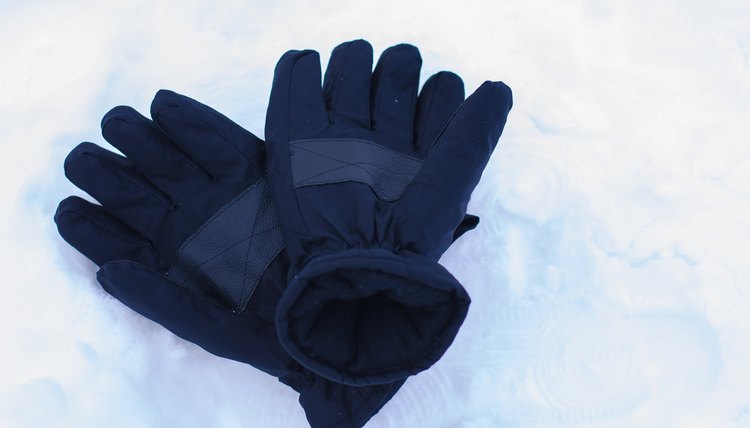
Soggy gloves can really put a damper on your time on the slopes. Choosing the best method to dry your gloves ensures they warm up quickly without damaging the material. When you shop for ski gloves, look for water-resistant and waterproof types to speed up the time required to dry them. Choose the type of gloves you wear based on weather conditions. Avoid heavy gloves in warmer temperatures since they will likely become wet as you perspire.
Time Frame
You should start drying your gloves immediately after you leave the slopes. The longer you wait, the more likely fungus and bacteria will thrive in the gloves. You’ll notice a foul smell coming from the gloves if you don’t dry them immediately. Since wearing wet gloves is very uncomfortable and may cause frostbite, always keep a spare available for use.
Solution
Avoid putting your gloves directly on a heat source in order to dry them out. Do not place them in the dryer or use a hair dryer on a high setting to get rid of moisture. Instead, place them in a warm and dry area and allow them to sit for several hours. You may need to wait two to three hours until they have dried out enough to wear them again. To speed up drying, take out the inner lining of the gloves if you are able to.
Considerations
Many resorts offer glove and boot dryers to warm up wet ski gloves. You place the gloves on the machine's heating tubes. The dryer slowly warms up the gloves to body temperature. This prevents damage and shrinkage of your gloves. Brand examples include DryGuy Wide Boot Dryer and InStep Boot and Glove Dryer.
Effects
Once your gloves are dried, you may notice a change in texture. Leather ski gloves may feel stiff. However, once you use them often, you'll get more flex. If you ski often, you may want to consider investing in a pair of waterproof gloves. This reduces the amount of moisture collected on the outside of the gloves. However, you should still place waterproof gloves in a clean and dry place after use to dry out any moisture and sweat collected inside the gloves.
References
- Nasir SH, Troynikov O, Massy-Westropp N. Therapy gloves for patients with rheumatoid arthritis: a review. Therapeutic Advances in Musculoskeletal Disease. December 2014:226-237. doi:10.1177/1759720X14557474
- Richmond SJ, Gunadasa S, Bland M, MacPherson H. Copper bracelets and magnetic wrist straps for rheumatoid arthritis – analgesic and anti-inflammatory effects: a randomised double-blind placebo controlled crossover trial. PLoS One. 2013;8(9):e71529. doi:10.1371/journal.pone.0071529
Writer Bio
Heather Topham Wood is a seasoned writer whose work has appeared in numerous publications, including USA Today, Gadgetell, Feel Rich and Step in Style. Heather is a published novelist with six Amazon bestsellers and a contract through Crescent Moon Press. She holds a bachelor's degree in English from TCNJ.