
We all know how important eating a nutritious meal first thing in the morning is. But oftentimes, prepping one can take more time than we bargained for. And if you're following a specific eating plan, like a low-carb or plant-based diet (or both), matters get even more challenging.
That's why we tapped dietitians to share easy low-carb, plant-based breakfast recipes that are ready in 10 minutes or less. These easy plant-based breakfast options keep prep and cook time to a minimum without sacrificing nutrition.
Video of the Day
Video of the Day
1. Microwave Egg and Veggie Bowl
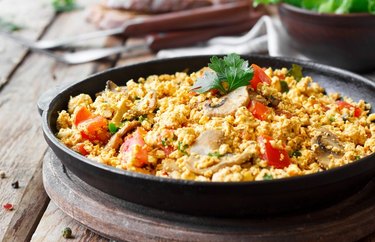
- 156 calories
- 2 grams of carbs
"Not only are eggs an excellent source of biotin (known for its hair and skin benefits), vitamin B12, selenium and choline, but they're also the perfect vehicle for veggies," Nicole Rodriguez, RDN, says. And because this egg and veggie dish only takes both 5 minutes of prep time and cooking time, you can add this to your quick breakfast go-tos when you're in a hurry.
Get the Microwave Egg and Veggie Bowl recipe and nutrition info here.
2. Kale Scramble Breakfast Bowl
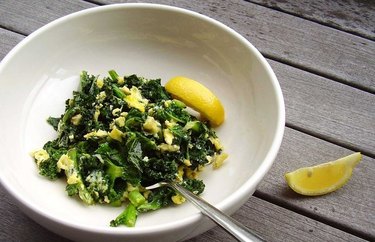
- 310 calories
- 6 grams of carbs
This easy plant-based breakfast is satiating thanks to the combo of protein and fat. Plus, the inclusion of leafy greens like kale help to provide loads of minerals and vitamins. "To boost the fiber in this recipe, try pairing it with berries or avocado, which are both high-fiber and lower carb options," May Zhu, RDN of Nutrition Happens, says.
Get the Kale Scramble Breakfast Bowl recipe and nutrition info here.
3. Granola Breakfast Protein Balls
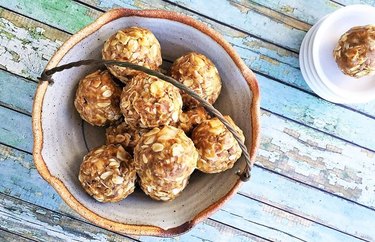
- 148 calories
- 16 grams of carbs
In most cases, oatmeal isn't considered a low-carb option, but these mini protein balls are packed with just enough carbs to fit into a low-carb diet. "Oatmeal is very nutritious and a great source of fiber, but if you're looking for a lower-carb option, try swapping the oats for chia or hemp seeds to boost fiber," Zhu says.
Get the Granola Breakfast Protein Balls recipe and nutrition info here.
4. Scrambled Huevos Rancheros
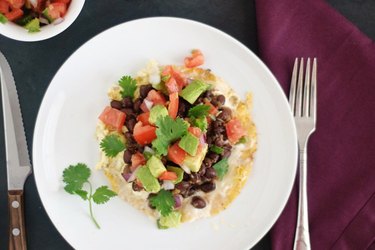
- 244 calories
- 14 grams of carbs
Huevos rancheros are all about the toppings. "Lower-carb options include avocados, salsa, tomato, onions and Greek yogurt or sour cream," Zhu says. She also recommends adding a handful of leafy greens to boost nutrients.
Get the Scrambled Huevos Rancheros recipe and nutrition info from Cookie and Kate.
5. Chef Salad Sunrise in a Jar
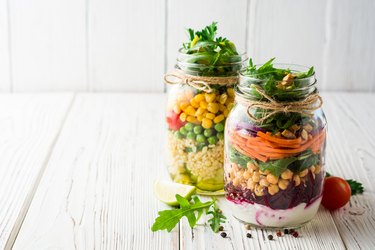
- 608 calories
- 15 grams of carbs
"Leafy greens such as arugula are naturally low-carb and contain important nutrients like vitamin K and magnesium," Zhu says. The best part about this salad in a jar is you can customize it to your liking and even take it on the go.
Get the Chef Salad Sunrise in a Jar recipe and nutrition info here.
6. Mushroom and Tomato Omelet

- 249 calories
- 9 grams of carbs
Both mushrooms and tomatoes are great lower-carb vegetables — they both contain over 90 percent water, making them very hydrating and filling, Zhu tells us. And dolloping cottage cheese into an omelet adds even more protein to keep you filling full for longer.
Get the Mushroom and Tomato Omelette recipe and nutrition info here.
7. Rocket Fuel Chocolate Breakfast Smoothie
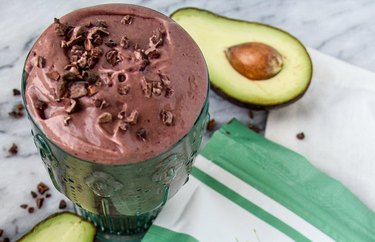
- 238 calories
- 14 grams of carbs
"Between the heart-healthy avocado and cacao nibs, packed with fiber and an excellent source of manganese (an essential mineral), this breakfast smoothie is as good as a keto-friendly smoothie gets," Rodriguez says. She does warn to be careful with the coconut milk being high in saturated fat. Consider swapping for light, unsweetened coconut milk to keep the coconut flavor without the excess fat.
Get the Rocket Fuel Chocolate Breakfast Smoothie recipe and nutrition info here.
8. Two-Minute Microwave Coffee Cup Spicy Egg Scramble With Salsa

- 256 calories
- 6 grams of carbs
If you've got less than 5 minutes to make a quick meal before heading to work, this mug recipe is for you. "Adding frozen vegetables in microwave recipes like this provide extra fiber and nutrients," Zhu says. And because they cook in the microwave with your egg, you don't have to worry about adding more time.
Get the Two-Minute Microwave Coffee Cup Spicy Egg Scramble With Salsa recipe and nutrition info here.
9. Watermelon Fruit Pizza
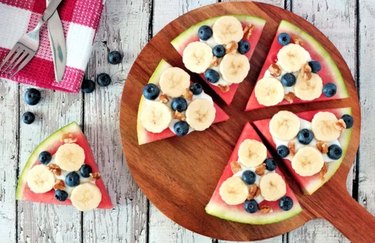
- 42 calories
- 9 grams of carbs
If you like sweet or fruity morning meals, this easy plant-based breakfast is for you. Consider adding dollops of Greek yogurt to boost the overall protein, Zhu says. "Berries are considered to be one of the lower-sugar fruits and contain fiber to help support our digestion."
Get the Watermelon Fruit Pizza recipe and nutrition info here.
10. Arugula and Cherry Tomato Salad
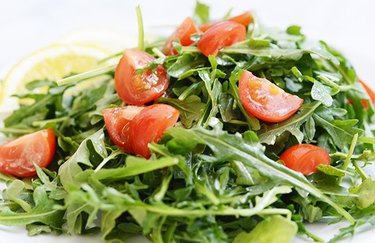
- 109 calories
- 5 grams of carbs
This one's not a traditional breakfast, but an option to consider when opting for a low-carb breakfast. "Combining vegetables such as arugula and tomatoes with a fat source like olive oil helps our bodies absorb nutrients," Zhu says. To make a more balanced meal, try topping with a few boiled eggs or a lean chicken breast.
Get the Arugula and Cherry Tomato Salad recipe and nutrition info here.
11. Avocado Sandwich
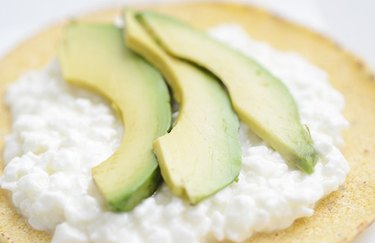
- 240 calories
- 19 grams of carbs
"Avocados are very high in nutrients and they contain fiber to support our digestion, which is particularly important for those living a low-carb lifestyle," Zhu says. To add more protein to this 5-minute breakfast, try scrambling a few eggs and eating it taco-style.
Get the Avocado Sandwich recipe and nutrition info here.
12. Paleo Gluten-Free Blueberry 2-Minute Microwave Muffin

- 286 calories
- 18 grams of carbs
Whipping up a healthy blueberry muffin is actually possible in just three minutes. "This recipe contains protein, fiber and fats to help with satiety and supports those looking for a lower-carb muffin alternative," Zhu says. She also notes the addition of chia and flaxseeds contain fiber for digestion and omega-3 fatty acids to support healthy cholesterol levels.
Get the Paleo Gluten-Free Blueberry 2-Minute Microwave Muffin recipe and nutrition info here.
13. Microwave Veggie Scramble
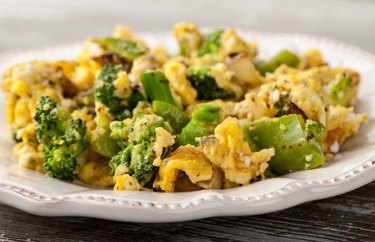
- 215 calories
- 3 grams of carbs
This flavorful omelet is packed with mushrooms, broccoli, mozzarella and even some walnuts for a hit of healthy fats. You'll get 17 grams of satiating fats as well as 13 grams of filling protein.
Get the Microwave Veggie Scramble recipe and nutrition info here.
14. Keto Green Smoothie
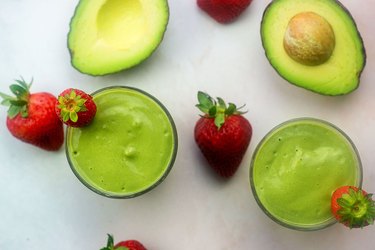
- 148 calories
- 10 grams of carbs
A mix of eggs and veggies is sure to be a smart and filling breakfast any day of the week. "Sprinkle on a full serving of walnuts, about 12 halves," Rodriguez says. "This brain-shaped food is the only nut that's an excellent source of omega-3 alpha-linolenic acid and a good source of magnesium."
Get the Keto Green Smoothie recipe and nutrition info from That Low Carb Life.
15. California Scrambled Eggs and Avocado

- 330 calories
- 11 grams of carbs
If you like Mexican-inspired flavors, you'll love this scramble. To amp up the nutrition, Rodriguez recommends adding a cup of carotenoid-rich spinach or kale. She also recommends cutting down on the sodium.
Get the California Scrambled Eggs and Avocado recipe and nutrition info here.
16. Walnut Yogurt Breakfast
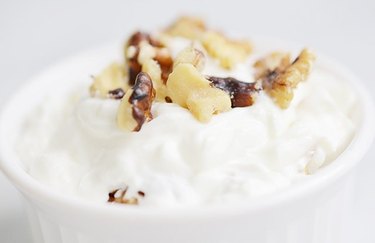
- 283 calories
- 14 grams of carbs
"Walnuts and wheat germ pack in fiber and an extra dose of plant-based protein," Rodriguez says. To make this more satiating, she recommends bumping up the serving of yogurt to a full cup and adding in a low-carb fruit like berries.
Get the Walnut Yogurt Breakfast recipe and nutrition info here.
17. Caprese Breakfast
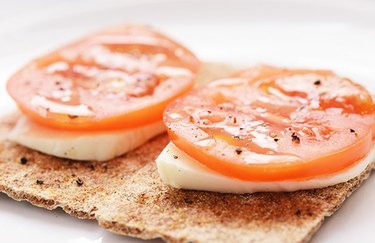
- 273 calories
- 19 grams of carbs
"Pairing tomato with heart-healthy fats such as olive oil aids in the absorption of lycopene, a potent antioxidant," Rodriguez says. If you don't have fresh tomatoes on hand, she says swapping in the sun-dried variety works just fine.
Get the Caprese Breakfast recipe and nutrition info here.
18. Protein Breakfast Scramble
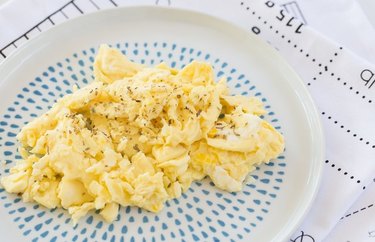
- 116 calories
- 1 gram of carbs
Even though this breakfast fits the low-carb requirements, Rodriguez warns that this may leave you feeling hungry come mid-morning. "Bulk this up with nutrient-dense leafy greens and a sprinkle of nutritional yeast," she says. Nutritional yeast is a cheesy-flavored, vegan-friendly product that delivered 4 grams of fiber and 8 grams of protein per serving.
Get the Protein Breakfast Scramble recipe and nutrition info here.