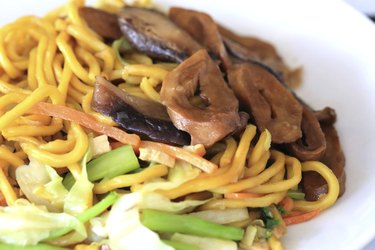
Traditional Chinese dishes often have healthy ingredients and involve low-calorie cooking techniques. However, Americanized versions of these dishes can include added fats and sodium that boost the calorie counts, making them poor choices if you are trying to lose weight. Instead of giving up dining in Chinese restaurants altogether, learn how to order foods that support your weight loss goals.
Appetizers
Video of the Day
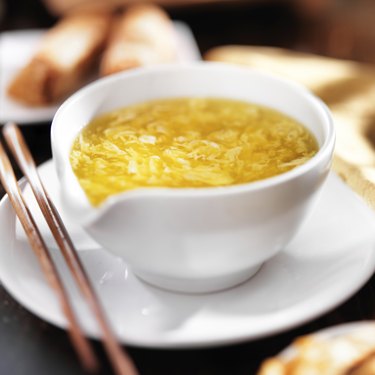
Fried appetizers, such as egg rolls, and fatty options, such as spareribs, contain a lot of calories and saturated fat. Broth-based soups, such as egg drop, wonton and hot and sour are lower-calorie choices. Opting for a serving of soup as an appetizer might also help you eat less at your primary meal. A study published in the journal "Appetite" in November 2007 found that study subjects who ate a bowl of soup prior to their main meals consumed 20 percent less at the meal than subjects who didn't have the soup. The study concluded that consuming soup as an appetizer is a strategy that supports a weight loss plan. Steamed vegetable dumplings are also a lower-calorie appetizer choice -- but stick to just two or three to keep your calories in check.
Video of the Day
Entrees
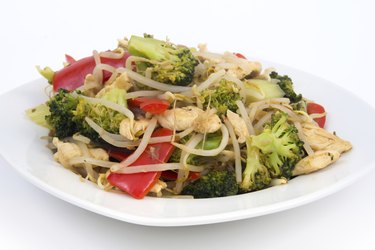
Battered and deep-fried dishes are a "no-no" when you're on a diet. Sesame or lemon chicken, sweet and sour pork and kung pao chicken fall into this category as well. Instead, order steamed chicken with broccoli and have the sauce on the side. If you don't want your entree steamed, choose dishes that are poached, broiled, roasted, or barbecued, as they are usually lower in calories and fat than battered and deep-fried foods. Stir-fried and braised dishes are also usually diet-friendly. Focus on fish, shrimp, vegetable and tofu dishes to minimize your intake of saturated fat.
Sides
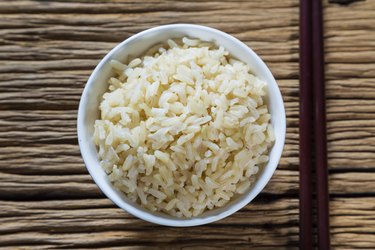
Steamed brown rice is a good choice for a side dish. White rice, however, is a fair alternative if you stick to a ½-cup serving. White rice contains less fiber than brown rice, but is low in calories -- especially compared to fat-filled fried rice. Ask for steamed or stir-fried vegetables as another side dish. The vegetables contain fiber and water, which will help fill you up without providing a lot of calories.
Considerations
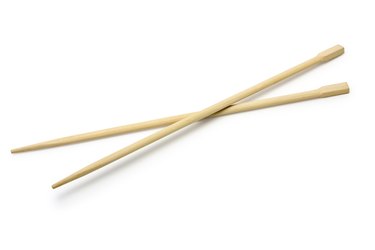
Chinese restaurants often serve family style -- large platters of food that are meant for more than one person. If you eat out with a group, order fewer main dishes than there are diners to help regulate portion sizes. Use chopsticks to slow down your eating process. Slowing down can help you connect to feelings of fullness before you overeat. Skip Chinese food buffets. Even small amounts of several high-calorie favorites can add up to a high-calorie meal.