How to Use Alka Seltzer to Get Rid of Yeast Infections
Alka Seltzer is an antacid that, according to its website, "gently breaks up and dissolves away the full feeling of acid indigestion and pain fast." Containing sodium bicarbonate, aspirin and citric acid, Alka Seltzer is used to treat heartburn, headache, sour stomach, hangovers, body aches and pain. Although not marketed to treat yeast or urinary tract infections, Alka Seltzer may cure the infection in the early stages. Taking the product as soon as you notice the symptoms of an infection is the key to success.
If you are experiencing serious medical symptoms, seek emergency treatment immediately.
Determine that your symptoms are caused by a yeast infection and not by bacterial vaginosis or trichomoniasis, which have similar symptoms but different causes and will not respond to the Alka Seltzer treatment.
Bacterial Vaginosis Remedies
Learn More
Dissolve 2 Alka Seltzer tablets in 4 oz 1. of water. Wait until fully dissolved before drinking. Do not add any type of sweetener to the water, as yeast feeds on sugar.
Repeat every 4 hours as needed, but do not exceed 8 tablets, or 4 doses, in a 24-hour period.
How to Use Miralax As a Detox
Learn More
Try an Alka Seltzer rinse after urinating. Yeast live on the skin, so a topical application may also be effective, especially for a strong infection. Use 2 tablets dissolved in 4 oz. of water as a douche.
Tips
This treatment is most effective at the onset of the infection, so use Alka Seltzer as soon as you're sure that it's a yeast infection.
Warnings
Do not use Alka Seltzer if you are allergic to aspirin or are on a sodium-restricted diet, as each tablet contains 567 mg of sodium, which adds up to more than 1,100 mg of sodium per dose. Pregnant women should not use Alka Seltzer, as it may cause complications during delivery.
Related Articles

Bacterial Vaginosis Remedies
Learn More
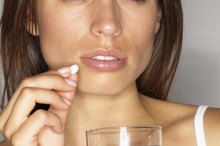
How to Use Miralax As a Detox
Learn More

How to Treat Infected Hair Follicles
Learn More

Does Activia Help With a Yeast Infection?
Learn More
Magic Swizzle Directions
Learn More
Will Clorox Kill Toenail Fungus?
Learn More

White Vinegar for Urinary Infections
Learn More
Vinegar Douche Benefits
Learn More

Treatment of Irritation From Hair Removal
Learn More
Nutrition Facts of Dasani Water
Learn More
References
Tips
- This treatment is most effective at the onset of the infection, so use Alka Seltzer as soon as you're sure that it's a yeast infection.
Warnings
- Do not use Alka Seltzer if you are allergic to aspirin or are on a sodium-restricted diet, as each tablet contains 567 mg of sodium, which adds up to more than 1,100 mg of sodium per dose.
- Pregnant women should not use Alka Seltzer, as it may cause complications during delivery.
Writer Bio
Maura Shenker is a certified holistic nutritionist and health counselor who started her writing career in 2010. She leads group workshops, counsels individual clients and blogs about diet and lifestyle choices. She holds a Bachelor of Fine Arts from the Rhode Island School of Design, a Master of Fine Arts from The Ohio State University and is a graduate of the Institute for Integrative Nutrition.