
Your thyroid gland produces hormones that help regulate your energy, metabolism, moods and body temperature. After you eat goitrogens, substances that occur naturally in various foods, a healthy thyroid will compensate by releasing more hormones than usual. If your thyroid is compromised due to disease, however, it isn't able to produce more hormones and instead becomes swollen or enlarged. To best determine whether your diet is influencing your thyroid function, seek guidance from your doctor or dietitian.
Gluten-Free Grains
Video of the Day
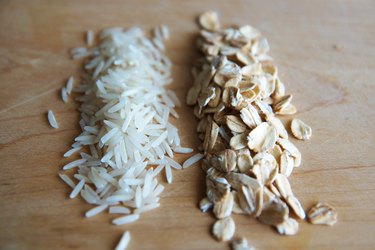
Gluten is a storage protein present in wheat, barley and rye. Gluten tops obstetrician, gynecologist and nurse practitioner Marcelle Pick's list of goitrogenic foods. Gluten sensitivity and autoimmune disorders, including thyroid disease, often co-exist. To determine whether gluten-containing foods, such as most commercially prepared breads, tortillas, pizza crust, baking mixes and cold cereals, worsen your condition, Pick recommends eliminating gluten from your diet. Simply cutting back on gluten may also help. To ensure ample fiber, iron and B-vitamin intake, which may guard against symptoms of thyroid disease, replace gluten sources with gluten-free grains, such as brown, wild and basmati rice, corn or rice-based cereals, gluten-free oatmeal and air-popped popcorn.
Video of the Day
Fish, Lentils and Yogurt
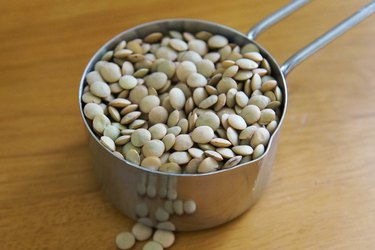
Fish, lentils and yogurt provide rich amounts of protein, which promotes immune function and appetite control, and a variety of essential nutrients. They also provide non-goitrogenic alternatives to soy. Soy, a protein and nutrient-rich legume, contains substances known as isoflavones, which can interfere with thyroid function and lead to weight gain. Consuming more than one serving of soy per day -- the amount reaped from 8 ounces of soy milk or 4 ounces of tofu -- is excessive if you have a thyroid condition, according to Patricia Vasconcellos, a registered dietitian and spokesperson for the Academy of Nutrition and Dietetics. As fiber-rich foods, lentils may help manage constipation associated with hypothyroidism. Cold-water fish, such as salmon, herring and mackerel, provide omega-3 fatty acids -- essential fats that may help reduce inflammation.
Most Vegetables
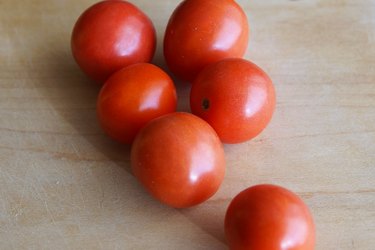
Vegetables contribute antioxidants, such as vitamin C and beta-carotene, which support your body's ability to protect itself from disease. They also provide valuable amounts of fiber and water. For improved hypothyroidism symptoms, the University of Maryland Medical Center recommends emphasizing foods rich in antioxidants, such as tomatoes, blueberries, cherries, bell peppers and squash, and avoiding goitrogenic vegetables, such as broccoli, cauliflower, cabbage, kale, spinach and Brussels sprouts.
Vegetable Oils
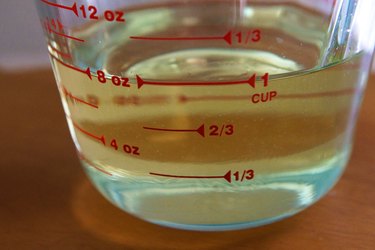
Dietary fats provide energy for low to moderate physical activity and help your body absorb fat-soluble nutrients, such as vitamins A, D and K. Vegetable oils, such as canola, olive, sunflower and safflower oil, provide heart-healthy fats and nutrients, such as the antioxidant vitamin E. The UMMC recommends avoiding pine nuts, peanuts and linseed, also called flaxseed, which may interfere with thyroid function. Vegetable oils provide useful non-goitrogenic alternatives.
Is this an emergency? If you are experiencing serious medical symptoms, please see the National Library of Medicine’s list of signs you need emergency medical attention or call 911.