
Don't get us wrong: If we're talking about raw, whole foods, there's no such thing as a "bad" fruit. But if you're trying to shed some pounds, you might wonder if eating fruit can help you lose weight, and which are the best fruits for weight loss.
First things first, there's no fruit that makes you lose weight. Eating a certain fruit won't melt away fat or cause the scale to tick down if you're not making other changes to your diet as a whole.
Video of the Day
Video of the Day
Second, there isn't a ton of research on the best fruits to lose weight, and some of the research that does exist is funded by specific fruit producers, which means the outcomes may be biased.
That said, fruit and weight loss can go hand-in-hand. The main reason? All fruit contains fiber. And eating a diet high in fiber tends to promote weight loss, according to multiple studies, including a February 2020 review and meta-analysis of randomized controlled trials in The American Journal of Clinical Nutrition. That's because fiber is filling, adding bulk to your meals without adding a lot of calories.
But healthy fruits for weight loss don't only have fiber. Every fruit is a package of nutrients that support your body's various systems. So whatever your goals, don't only eat from the below list of some of the best fruits for weight loss. Instead, eat any fruit you like. As long as it helps you eat more fruit in general, you're supporting your overall health.
1. Apples
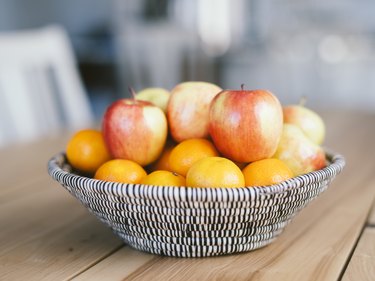
Are apples a good diet food? You betcha. For one, apples are a low-calorie, low-fat way to satisfy a sweet tooth, with 104 calories and less than half a gram of fat in one medium apple, per the USDA. But apples are good for weight loss for a lot of other reasons, too.
Filling Fiber
A medium apple has about 5 grams of fiber, making it a good snack for weight loss. Thanks to fiber, the best type of apple to eat for weight loss is a whole one. Apples are more filling than applesauce, which is more filling than apple juice, according to an older April 2009 study in Appetite.
The study also found that if you eat an apple about 15 minutes before a meal, you may eat fewer calories during the meal, even if you factor in calories in the apple. That's why some people believe the best time to eat fruit for weight loss is right before a meal.
Peel Power
Don't peel your apples. The outside skin is where you'll find a compound called ursolic acid. A March 2017 paper in Obesity Reviews analyzed the research on ursolic acid and concluded that the compound is linked to an increase in thermogenesis (calorie burn) and skeletal muscle mass, as well as improved physical fitness.
Go Green
All apple varieties have similar nutritional value, so the best apples for weight loss are the ones you enjoy. However, green apples may benefit weight loss just a bit more than red or yellow apples.
Granny Smith apples tend to have the highest amount of certain types of polyphenols and fiber that help increase the beneficial bacteria in the gut of animals, according to an October 2014 study in Food Chemistry. Animals are not humans, of course. But people with obesity tend to have lower levels of "good" bacteria in their guts, which can increase their risk for metabolic disorders and inflammation.
What About Pears?
Adding both apples and pears to your diet may benefit your weight-loss efforts. A 2003 study in Nutrition randomly assigned 441 women (that's the terminology used in the study) with overweight to eat three daily snacks of either apples, pears or oat cookies for 12 weeks. The people who ate apples or pears lost an average of almost 3 pounds, while those who ate the cookies lost an insignificant amount of weight.
2. Watermelon
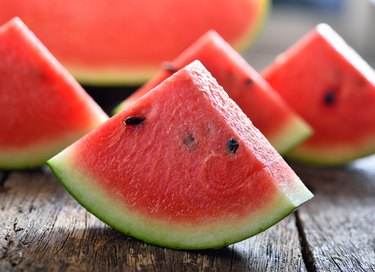
Watermelon is delicious anytime you can get your hands on it, but it's especially perfect for summer because it's so hydrating. More than 90 percent of the fruit is water, per the USDA. This not only helps you meet your fluid needs for the day, but it can also help with managing your weight by keeping you feeling full.
A small March 2019 study in Nutrients tested this theory. Thirty-three adults with overweight and obesity ate a daily snack with the same amount of calories: two cups of fresh watermelon or low-fat cookies. After four weeks, the watermelon group lost significantly more weight, decreased their waistlines and felt fuller after eating compared to the cookie group.
Ready to Lose Weight?
Set yourself up for success with LIVESTRONG.com's Weight-Loss Kickstart program.
3. Berries
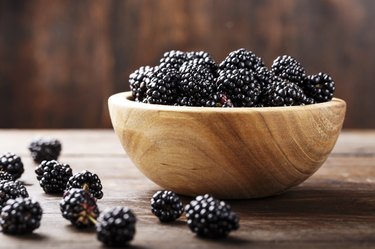
There's no one "best" berry for weight loss — all berries are good for weight loss. These nutritious fruits are high in antioxidants and other nutrients, yet they are low in "energy density," or concentrated calories. Beyond this, the benefits of berries for weight loss vary by berry.
Blueberries
Some people mistakenly think blueberries are fattening. However, blueberries are good for weight loss. With only 85 calories per cup, per the USDA, they're way less caloric than sweets, plus you get 3 grams of filling fiber in that serving.
Strawberries
What do strawberries do for you? They provide antioxidants, anti-inflammatory enzymes and fiber. Strawberries do not burn fat, but strawberries are good for weight loss because they're another low-calorie way to satisfy a sweet tooth. They have only 50 calories per cup, per the USDA — as long as you don't add any sugar on top!
Blackberries
The biggest weight-loss benefit of blackberries is their fiber — 8 grams per cup, which has 65 calories, per the USDA. And while blackberries have 2 grams of protein per cup, they are not a high-protein food.
Raspberries
Like blackberries, raspberries are good for weight loss because they're high in fiber, with 8 grams per cup, per the USDA. This serving packs just 64 calories and about 32 milligrams of immune-supportive vitamin C, which is more than a third of the recommended daily amount.
4. Avocado
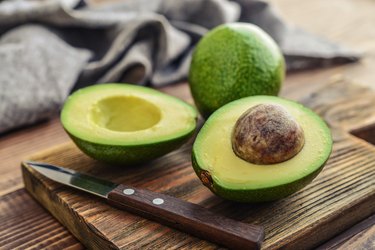
The connection between avocados and weight loss is a bit confusing because most of the research suggesting that avocado helps you lose weight has been funded by the Hass Avocado Board. According to those studies, regularly eating avocados may help weight-loss efforts or help you maintain a healthy weight.
Aside from the biased research, though, eating avocados for weight loss may not be a bad idea, because they're high in fat and fiber, both of which keep you satisfied. Just be mindful of your serving sizes, because one avocado has 322 calories, per the USDA. The recommended serving size is 50 grams, which is about a third of a medium avocado.
5. Mangoes
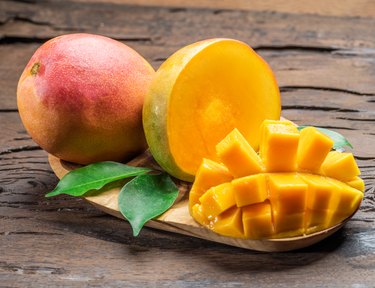
At 100 calories per cup, mango has more calories than many other fruits. But that doesn't mean mango is fattening. As long as you're mindful of your serving sizes, you can eat mango for weight loss.
For one, this tropical fruit has 0.6 calorie per gram, making it very low in energy density. Foods lower in energy density may help you lose weight because you can fill up on fewer calories than if you ate foods higher in energy density. Also, the fiber content — almost 3 grams per cup — makes mangoes good for digestion.
6. Pineapple
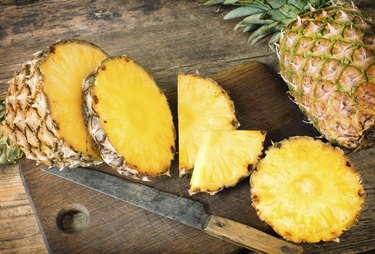
Many people think pineapple benefits weight loss because of an enzyme called bromelain. Some experts say bromelain helps with weight loss because it speeds digestion, in turn boosting metabolism. Unfortunately, this isn't true. Bromelain helps the body break down proteins, which does mean it may aid in digestion, but this benefit has nothing to do with metabolism.
This doesn't mean pineapple can't help you lose weight, though. Like all fruit, pineapple is a source of beneficial nutrients, such as vitamin C and fiber. But if you eat pineapple for weight loss, be mindful of the calories in pineapple: about 85 per cup, per the USDA.
7. Citrus Fruit
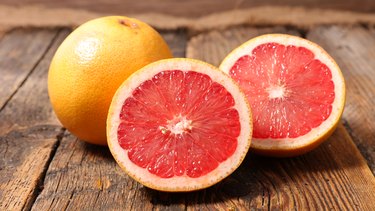
Despite what you've heard about the grapefruit diet or lemon water boosting metabolism, scientific evidence does not support either of these claims. The fact is, there are no fruits that increase metabolism. Similarly, frozen lemons and oranges do not help you lose weight.
If you like these foods, though, there's no reason to avoid them. (Unless you're taking certain cholesterol medications, like statins. Check the label or talk to your doctor about whether your medicine is a statin before you eat grapefruit, per the FDA.)
The benefits of citrus fruit include vitamin C, fiber and high amounts of water, another thing that may increase feelings of fullness. Plus, most citrus is fairly low in calories. For example, a Valencia orange has about 60 calories, and a clementine (Cutie) has about 45 calories.
So while there's nothing magical about citrus and weight loss, eating oranges to lose weight (or lemons or grapefruit or limes) isn't a bad idea, as long as you keep your total caloric intake in mind.
What About Durian Fruit?
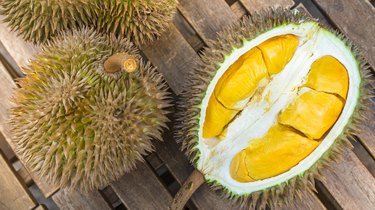
Considered by some to be the "king of fruits," durian is a tropical fruit with a spiky shell. It's known for having a horrendous odor. If you can stomach that, durian fruit benefits include fiber (9 grams per cup), vitamin C and thiamine, a B vitamin important for a healthy metabolism.
You can eat durian fruit raw or cooked. However, it is relatively high in calories, fat and carbs. A cup of durian provides 360 calories, 13 grams of fat and 66 grams of carbs. If you are watching your weight, durian fruit is not the best option, as you may have to cut out other nutritious foods in order to fit it into your diet.
Additional reporting by Kelly Plowe, RDN
- Centers for Disease Control and Prevention: "Disparities in State-Specific Adult Fruit and Vegetable Consumption — United States, 2015"
- Obesity Reviews: "Ursolic Acid and Mechanisms of Actions on Adipose and Muscle Tissue: A Systematic Review"
- Appetite: "A Low-Energy-Dense Diet Adding Fruit Reduces Weight and Energy Intake in Women"
- MyFoodData: "29 Fruits High in Fiber"
- Nutrients: "Paradoxical Effects of Fruit on Obesity"
- Nutrients: "Effects of Fresh Watermelon Consumption on the Acute Satiety Response and Cardiometabolic Risk Factors in Overweight and Obese Adults"
- Journal of Nutrition & Food Sciences: "Mangoes are Associated with Better Nutrient Intake, Diet Quality, and Levels of Some Cardiovascular Risk Factors: National Health and Nutrition Examination Survey"
- Food & Function: "Mango Fruit Peel and Flesh Extracts Affect Adipogenesis in 3T3-L1 Cells"
- Nutrition Journal: "Avocado Consumption is Associated with Better Diet Quality and Nutrient Intake, and Lower Metabolic Syndrome Risk in US Adults: Results from the National Health and Nutrition Examination Survey (NHANES) 2001–2008"
- Nutrients: "Using the Avocado to Test the Satiety Effects of a Fat-Fiber Combination in Place of Carbohydrate Energy in a Breakfast Meal in Overweight and Obese Men and Women: A Randomized Clinical Trial"
- MyFoodData: "Grapefruit"
- U.S. News & World Report: "Volumetrics Diet"
- Nutrition & Metabolism: "Effects of Grapefruit, Grapefruit Juice and Water Preloads on Energy Balance, Weight Loss, Body Composition, and Cardiometabolic Risk in Free-Living Obese Adults"
- The American Journal of Clinical Nutrition: "Can dietary viscous fiber affect body weight independently of an energy-restrictive diet? A systematic review and meta-analysis of randomized controlled trials"
- Nutrients: "Weight loss associated with a daily intake of three apples or three pears among overweight women"
- Food Chemistry: "Assessing non-digestible compounds in apple cultivars and their potential as modulators of obese faecal microbiota in vitro"
- USDA: "Apple, raw"
- USDA: "Watermelon, raw"
- USDA: "Blueberries, raw"
- USDA: "Strawberries, raw"
- USDA: "Blackberries, raw"
- USDA: "Raspberries, raw"
- USDA: "Avocados, raw, all commercial varieties"
- USDA: "Mango, raw"
- USDA: "Pineapple, raw"
- USDA: "Oranges, raw, California, valencias"
- USDA: "Clementine, raw"
- FDA: "Grapefruit Juice and Some Drugs Don't Mix"