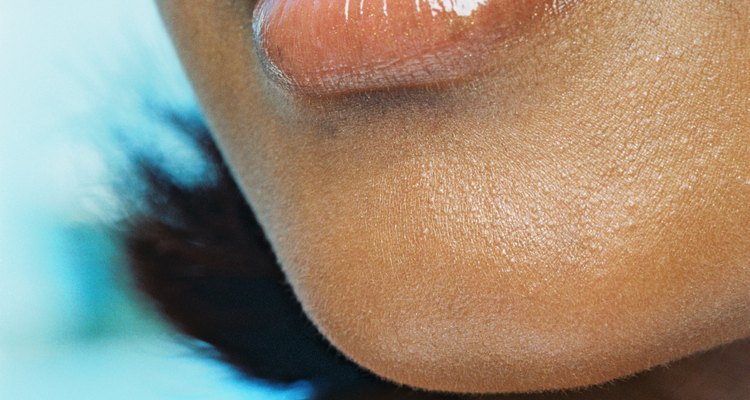
Facial skin is sensitive, particularly when it comes to hair removal. With the myriad of creams, gels, razors and depilatory products on the market it is important to always do a spot check before using a product to ensure that no damage is done. Sometimes a product can be applied in excess or left on for an extra minute, which can lead to irritation. If your upper lip is irritated after hair removal, act quickly to soothe it and speed along the healing process.
Step 1
Hold a cool cloth over your upper lip to counteract any burning or itching.
Step 2
Gently remove all remaining hair removal product from the area, using a damp cloth, to prevent further irritation.
Step 3
Apply a natural, additive-free moisturizer to your skin. Aloe vera and extra virgin coconut oil work well, as they have soothing properties. A dime-sized amount patted into the skin is sufficient.
Step 4
Avoid any harsh cleansers and exfoliants for a minimum of 24 hours, as the skin will be extra-sensitive and more prone to damage as it heals.
Related Articles

How to Heal an Inflamed Bikini Area

Yogurt Face Mask for Acne

How to Make a Lip Mask for Extremely ...
How to Treat Burns From Cream Hair ...

How to Maintain Good Skin After Accutane
How to Pluck Your Upper Lip With ...
The Best Facial Moisturizer That Won't ...

How to Make Homemade Cream From Milk in ...

How Do Men Get Rid of Blemishes?

Benefits of Shea Butter and Coconut Oil ...

Are There Ways to Get Rid of Blocked ...
How to Take Out Scratches From Silver ...
How to Get Acrylic Off of Cuticles

Jojoba Oil Benefits

How to Get Rid of All the Tiny Embedded ...

How to Remove the Smell of Cologne From ...

How to Clean a Tattoo With ...
Possible Side Effects of Obagi
How to Use a Cream With Arginine
Peeling the Spiny Chayote Squash
References
Writer Bio
Celeigh O'Neil has been writing professionally since 2008. She has a Bachelor of fine arts from the University of Ottawa, as well as degrees in fashion illustration/design, digital arts and certification in hair and makeup artistry. O'Neil was a frequent contributor to Toronto's "Dialog" newspaper and has worked as an instructional writer, creating lessons in fashion, art and English for students of all ages.
Photo Credits
George Doyle/Stockbyte/Getty Images