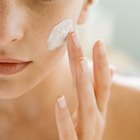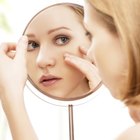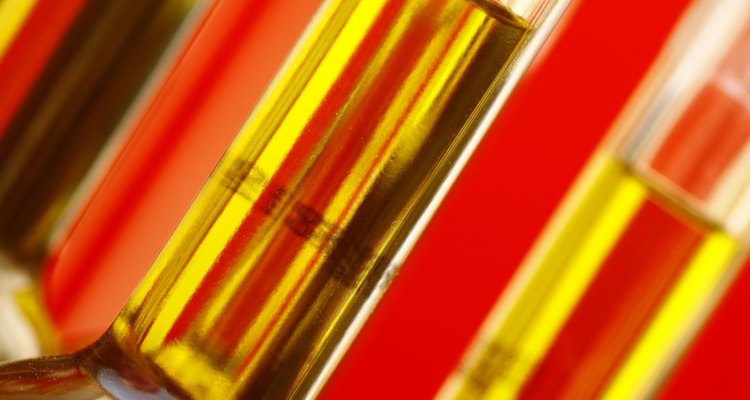
Acne is a common skin condition that can affect anyone but most commonly affects teens and menopausal women. It is non-contagious skin disorder that causes pimples or blackheads to form on the surface of the skin. Jojoba oil is a plant extract that has been used medicinally for centuries. When applied to the skin, it may help prevent acne.
These painful skin lesions tend to worsen during the summer months. Several treatments are available for hot spots, despite a lack of scientific data on their effectiveness. These products often include jojoba oil. The substanc...
Jojoba oil is a liquid produced in the seed of the jojoba shrub, which is native to Arizona, California and Mexico. At room temperature, it's a clear gold liquid. Jojoba oil can be an effective treatment for dry spots on your s...
Petroleum jelly and jojoba oil are common ingredients in cosmetic products, and while both serve similar purposes, there are a few notable differences. Jojoba is a plant derivative and petroleum jelly is a fossil fuel product. ...
Used for many centuries, jojoba oil is a colorless, odorless, non-greasy oil, which is derived from the Simmondsia chenensis plant. This oil provides healing benefits to the hair and scalp, particularly for many of the common p...
Native Americans first discovered the oil in the early 18th century, using it for a variety of topical purposes, including as a hair and scalp treatment and hair restorative, according to the "Gale Encyclopedia of Alternative M...
Extracted from the crushed bean of a desert shrub, jojoba oil (pronounced ho-ho-ba) is a vegetable oil that the domestic cosmetic industry has used for more than three decades. The U.S. first began investigating the oil in the ...
Jojoba oil comes from a shrub that grows in the desert and is a natural moisturizing agent for hair and skin. Those afflicted with acne need to find products that are noncomedogenic, such as jojoba oil. According to website Car...
The flowering desert shrub jojoba, or Simmondsia chinensis, produces a wax that becomes liquid at room temperature. This substance, called jojoba oil, is rich in vitamins E and B complex as well as several minerals. Because it...
Jojoba oil is derived from the seeds of the jojoba plant, which is indigenous to the arid dessert regions of southwestern United States. Originally used by native Americans for traditional medicine, hair care and cooking, jojob...
According to Drugs.com, jojoba seeds come from the evergreen Simmondsia chinensis, or jojoba shrub, which is native to Arizona, California and Northern Mexico. These seeds are used to produce jojoba oil, which is used in many c...
Jojoba oil can be used for facial cleansing. Oil only facial cleansing methods provide you with a natural alternative to harsh chemically-laden facial cleansers. Jojoba oil is an organic emollient that prevents moisture loss an...
Jojoba oil (pronounced "ho-HO-ba oil") is a liquid wax formed from the seeds of a North American shrub. Commonly used as a moisturizer and healing aid for the face, proponents of the oil claim benefits ranging from decreased ac...
Jojoba, pronounced ho-ho-ba, is a desert plant from which oil is extracted. Why jojoba oil for rosacea? It has been found that the jojoba produces a wax-like substance that is similar to the oil produced by glands in human ski...
Jojoba oil is often used to moisturize, balance pH and prevent acne. According to "Handbook of Dermatology: A Practical Manual," moisturizers should be used on all skin types. Even oily skin should be moisturized to avoid the s...
Contrary to its name, it is actually not an oil; it's a liquid wax that resembles the look and texture of oil. Jojoba oil has many different uses, but it is primarily used for cosmetic and skin moisturizing applications. This a...
Jojoba oil is not really an oil. It is called a wax ester, which is very similar to sebum, or human skin oil. With its natural restorative and moisturizing abilities, jojoba oils may offer you many benefits when used topically.
The oil of jojoba, with the Latin name Simmondsia chinenis, chemically is a polyunsaturated liquid wax. According to “The Gale Encyclopedia of Alternative Medicine,” native healers used jojoba to treat sores, cuts, ...
Jojoba oil is a wax ester that is extracted from the seeds of the jojoba tree. It is considered to be very similar to human sebum, or oil, and this can help balance the oil production of your skin. It is also thought to be non-...
Jojoba oil, grown in deserts throughout California, Arizona and Mexico first gained popularity in commercial applications after the 1973 ban on using whale oil. This small shrub, with the botanical name Simmondsia chinensis, pr...
Because jojoba oil is similar to whale oil, when sales of sperm whale oil were banned in 1973, the cosmetics industry started using jojoba instead in skin-care and hair-care products. Jojoba oil has several health benefits with...
Many pregnant women use moisturizers and massage oils during pregnancy to hydrate and soothe irritated or stretched skin. Generally considered safe for use during pregnancy, jojoba oil provides an effective topical ointment to ...
Technically a liquid wax, jojoba oil comes from the compressed seeds of the jojoba plant, a small shrub that grows in the hot, dry climates of California and Arizona. Native Americans have quietly used jojoba oil for hundreds o...
Obtained from the fruit of the jojoba plant, an evergreen shrub that grows in the southwestern United States, jojoba oil provides a common ingredient in a variety of cosmetic products from acne remedies to massage lotions. Jojo...
Jojoba oil comes from a perennial woody shrub that primarily grows in desert regions, according to VitaminStuff.com. Native Americans were the first to use jojoba oil to help heal wounds and now jojoba oil is used for health an...
Although the primary byproduct of the jojoba shrub is known as jojoba "oil," this substance is actually a highly viscous wax. According to the International Jojoba Export Council, it is the only known natural wax that remains i...
This byproduct is predominantly used in hair care products, facial cleansers and cosmetics, though its high viscosity and stability make it appropriate for a variety of other applications. Pure jojoba oil is widely available at
Contrary to its name, jojoba oil is actually a liquid wax distilled from the seeds of the jojoba plant and used extensively in the cosmetic industry as an ingredient in shampoos and lotions. While it helps your body in various ...
Jojoba--pronounced "ho-ho-ba"--oil comes from the bean fruit of the Simmondsia chinenis shrub, which is native to the southwestern United States and northwestern Mexico. It's not really an oil but rather a liquid wax--with prop...
Native Americans used the extracted oil for its therapeutic qualities and as a dietary supplement for centuries. The jojoba plant thrives in arid climates and unfertilized soil. It is used as a fungicide and pesticide to contro...
It is classified as a vegetable oil but differs from other oils because of its waxy consistency. It is nontoxic, noncomogenic (does not clog pores) and has a long shelf life. These properties, along with its cleansing, protecti...
Jojoba oil, pronounced "ho-ho-ba," is an essential oil that is extracted from the seeds of the jojoba tree. In actual fact, jojoba is not strictly an oil, but is instead what is known as a wax ester, a compound chemically simil...
It is made from the seeds of the jojoba plant, which grows in the southwestern region of the United States. It is available in most drugstores and is relatively inexpensive. Jojoba oil has many benefits and uses, especially fo...
Jojoba is a shrub that is native to the Southwestern U.S. and found primarily in California, Arizona and New Mexico. Jojoba fruit, or beans, contain seeds from which the wax-like jojoba oil is extracted. The University of Wisco...
Pollinated jojoba flowers harden into capsules containing the small seeds that are filled with jojoba oil. This "oil" is actually a polyunsaturated liquid wax. The jojoba plant is native to desert areas in the United States an
Jojoba oil is the liquid extracted from the seeds of the jojoba plant simmondsia chinensis. Jojoba oil is unique in that it is not actually an oil, but rather a liquid wax. First used as a substitute for sperm whale oil, jojoba...
Jojoba oil is actually a liquid wax derived from a jojoba seed. It offers a wide variety of benefits--everything from cosmetics to pesticides. It is an especially valuable component in many health and beauty aids. Historically,...
Manufacturers add jojoba oil to many cosmetic preparations, but it is also available in pure forms. A neutral, odorless product, jojoba oil provides multiple benefits for healthy skin---but researchers are exploring other possi...
Pure jojoba oil is antibacterial, nontoxic and biodegradable and has no cholesterol or triglycerides. Jojoba oil is derived from the crushed beans of the jojoba shrub, also called Simmondsia chinensis. It grows abundantly in th...
Jojoba oil is primarily used for cosmetics, such as lipsticks, lotions for skin care and bath beads. It can also be used as an ingredient in shampoos and in chemical peels and exfoliants. Once hunting sperm whale was outlawed, ...