Diarrhea is a common but distressing gastrointestinal issue that plagues just about everyone, from world travelers and people with IBS to people with cancer and unlucky foodies. Plan a recovery diet to soothe your symptoms using easy-to-digest binding foods.
Warning
Consult a doctor right away if diarrhea lasts longer than two days for an infant or more than five days for an adult. Also seek medical advice if you have blood or mucus in your stool, nausea, vomiting, severe stomach pains or a fever that does not subside.
Video of the Day
The Binding Foods BRAT Diet
The BRAT diet is a type of bland diet, as described by Sara-Bethany S. Weir and Hossein Akhondi in their 2019 book on the subject. It is often suggested as a common remedy for diarrhea and stomach upset, meant to reduce gastrointestinal effort and bowel movements.
Video of the Day
BRAT stands for the four individual binding foods that can make up a simple and straightforward diet for diarrhea — bananas, rice, applesauce and toast. These make up two of the main categories of suggested foods that harden stool: low-fiber fruits and refined grains.
The BRAT diet may be more restrictive than most people need, but it has the benefit of excluding all the major foods to avoid with diarrhea.
Read more: Bananas and Rice for Diarrhea
Tip
In addition to the food groups below, be sure to drink plenty of water, including at least one cup after each watery bowel movement. Aim for a minimum of eight to 10 glasses a day and drink slowly. Eat several small meals throughout the day rather than two or three big ones and make sure you are getting enough salt.
Cooked Vegetables and Refined Grains
Bananas don't need to be cooked, as nearly all their starches turn to sugar as they ripen, according to an April 2019 paper in Frontiers in Plant Science. They also contain potassium, which can become depleted when you have diarrhea. Some of the best foods that harden stool are also lower-fiber fruits and vegetables. MedlinePlus recommends cooking other fruits and vegetables, as well as removing the skins and seeds, which often contain the most fiber.
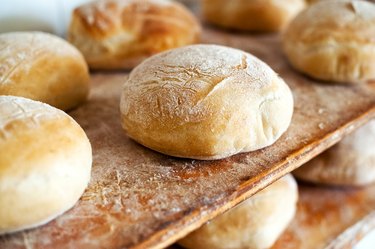
For dinner, try a pan of roasted carrots, beets and mushrooms, or a feast of acorn squash and peeled zucchini. Peeled potatoes are fine as well. On the side of your vegetable dish, choose grains that are white, refined and easy to digest. This includes white bread, baked crackers, pasta, white rice and oatmeal or other hot cereal. Pancakes and waffles are fine if you don't use too much oil or syrup.
Read more: Foods to Eat After Diarrhea
For protein, cook lower-fat options when you can. Choose skinless chicken, broiled fish or poached eggs. Fattier cuts of meat like beef or pork should be baked or broiled.
Avoid Fatty or Gassy Foods
MedlinePlus says to avoid anything fried or otherwise high fat, and some people may need to avoid dairy of all kinds, not just the full-fat products like cream or soft cheese.
Foods that cause gas should also be avoided, including any and all legumes, leafy greens, broccoli, corn, peppers, prunes and berries. Children with diarrhea should not be given undiluted fruit juice or any apple juice, even mixed with water. Caffeine and alcohol are also best left out of an adult diet until you are feeling better.
Read more: Can Drinking Coffee Cause Diarrhea?
Most cases of diarrhea should resolve without any change to your diet. You may not even have an appetite while you're unwell, and by the time your appetite comes back, you should be able to return to your normal diet. Remember to consult a doctor if you exhibit any other symptoms or if your stomach trouble persists.
- Centers for Disease Control and Prevention: "Travelers' Diarrhea"
- U.S. Department for Health and Human Services, Office on Women's Health: "Irritable Bowel Syndrome"
- National Cancer Institute: "Diarrhea and Cancer Treatment"
- U.S. Department of Health and Human Services: "Bacteria and Viruses"
- StatPearls: "Bland Diet"
- Frontiers in Plant Science: "The Starch Is (Not) Just Another Brick in the Wall: The Primary Metabolism of Sugars During Banana Ripening"
- MedLinePlus: "Low Potassium Level"
- MedLinePlus: "When You Have Diarrhea"
- MedLinePlus: "Diarrhea in Infants"
Is this an emergency? If you are experiencing serious medical symptoms, please see the National Library of Medicine’s list of signs you need emergency medical attention or call 911.