Foods to Avoid with a Corn Allergy
Diagnosis of a corn allergy means that your body cannot tolerate foods that contain any amount of corn. Since corn is found in countless foods and ingredients, managing the allergy can be a challenge. According to the University of Maryland, corn allergies are difficult to detect and the type and severity of symptoms vary from person to person. If you suspect you may be allergic to corn, a doctor-supervised elimination diet that restricts corn from your dietary regimen is recommended as a means of attaining proper diagnosis and treatment.
Cold Cereals
Many cold breakfast cereals contain corn. According to medical experts at Children's Hospital of the King's Daughters, cereal is one of the most common foods that contains corn. If you are intolerant to corn, eliminate all cereals that list corn, corn syrup, dextrin, malodextrin, malt or malt syrup, sorbitol, vanilla extract or baking soda from your diet. Since an array of "hidden" forms of corn exist and are incorporated into common breakfast cereals, seek simple, natural cereals that list few ingredients or that state clearly that they are corn-free. Oats, rice and wheat are grains found in cereals that are safe to consume. Seek cereals that contain these as primary ingredients and are devoid of unnatural additives for best results. Consider old-fashioned oatmeal, as well, as a valuable breakfast choice that is nutritious and naturally corn-free. Other breakfast foods to avoid are poptarts, frozen waffles, pancakes and syrups made with corn syrup.
Processed Desserts and Snack Foods
Ingredients to Avoid for Potato Intolerance
Learn More
Processed desserts and snack foods often contain corn ingredients. Experts at the Children's Hospital of the King's Daughters suggest eliminating commercially prepared cookies, cakes and other snack foods that likely contain corn. If you have a corn allergy, replace processed cookies, crackers, popcorn, chips, pretzels, cupcakes, cakes, pies, tortilla chips, doughnuts and other popular snack foods with rice or wheat-based equivalents. Health food stores offer an array of natural-ingredient based snacks and sweets that may or may not contain a form of corn. Natural food ingredient lists are generally easier to interpret as they contain few, if any, artificial ingredients that might contain hidden forms of corn. All-natural ice cream and all-fruit frozen dessert bars are corn-free dessert options. Keep in mind that though avoiding processed snack foods can be challenging, the natural alternatives are often healthier and may enhance overall health while helping to prevent and manage corn-allergy symptoms.
Luncheon Meats
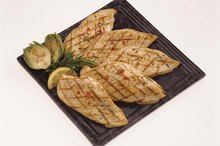
Lunchmeats such as bologna, cured or smoked ham, and pastrami often contain food additives derived from corn. To prevent corn products from entering your lunch plate, choose natural peanut butter and all-fruit jam, water-packed tuna or natural, grilled chicken breast as filling or topping for breads and sandwiches. Fresh meats, fish, poultry, eggs, low-fat dairy products and legumes are valuable sources of protein and other nutrients that, when naturally prepared, do not contain corn. Depend upon a variety of these foods to reap the most nutritional benefits while eliminating corn from your diet.
Additional Miscellaneous Foods
Diet for Disaccharide Malabsorption
Learn More
Corn may also be found in other products in which you least suspect it, so you need to beware of the following foods: sauces, gravies, ice cream, yogurt, meal replacement shakes, baby formulas, canned fruits, margarine, spaghetti sauces, ketchup, coffee creamers, vanilla extract, caramel extract, taco seasoning, coffee creamers and even cough drops. Baked goods that are sweetened with high fructose corn syrup must be avoided.
Related Articles
Ingredients to Avoid for Potato Intolerance
Learn More
Diet for Disaccharide Malabsorption
Learn More

Gluten-, Egg-, Soy- & Dairy-Free Foods
Learn More
Babies & Cornmeal
Learn More

List of Wheat-Free Foods
Learn More

What Can I Eat if I'm Allergic to Wheat & Corn?
Learn More
What Cereals are Recommended for People With Diabetes?
Learn More
Does Corn on the Cob Provide All of the Essential Amino Acids?
Learn More
Hydrogenated Soybean Oil Allergies
Learn More
Low Glycemic & Gluten-Free Foods
Learn More
References
Writer Bio
August McLaughlin is a certified nutritionist and health writer with more than nine years of professional experience. Her work has been featured in various magazines such as "Healthy Aging," "CitySmart," "IAmThatGirl" and "ULM." She holds specializations in eating disorders, healthy weight management and sports nutrition. She is currently completing her second cookbook and Weight Limit—a series of body image/nutrition-related PSAs.