The human liver is one of the body's most complex and important organs, regulating the immune system by filtering the blood and aiding the digestive system. The National Digestive Disease Information Clearinghouse reports that fatty liver, or the...
Fatty liver disease is a condition that produces an excess build-up of fat in the liver. The condition can be caused by obesity, heavy alcohol use, or a genetic predisposition. The liver does, however, have the capacity to regenerate itself, even...
Fatty liver, a condition where excess fat cells build up in the liver, can result from a number of causes. While typically asymptomatic, it can lead to inflammation and scarring of this important organ. No official treatment exists for this...
Your liver serves as the gat-keeper in preventing toxins from circulating throughout your body. Consumed foods and beverages, the air you breathe and different chemicals absorbed into your skin are all detoxified by the liver. Liver health is...
A fatty liver occurs when fat accumulates in the liver. It can lead to chronic diseases like cirrhosis and liver failure. Obesity, along with diabetes, high cholesterol, high triglycerides, alcoholism, gastric bypass surgery, certain medications...
Fatty liver results from damage to your liver that prevents it from filtering out excess fat. This condition develops as a result of chronic alcohol use, known as alcoholic fatty liver, or due to contributing factors that change the way you digest...
According to the National Institute of Diabetes and Digestive and Kidney Diseases (NIDDK), fatty liver disease can be caused by an excess amount of alcohol or simply an accumulation of fat in the liver. The NIDDK estimates that up to 25 percent of...
Fatty liver, or steatosis, is a condition caused by the excessive accumulation of lipid molecules within the cells of the liver. Steatosis is the liver's natural response to injury, and it can develop in a variety of situations. Pregnancy and...
A fatty liver, also known as fatty liver disease, describes a liver condition characterized by the unusual buildup of fat in the liver cells. Although usually mild, the condition can become severe. Eating a healthy diet rich in fruits, vegetables...
A fatty liver is characterized as a liver with a weight that is made up of more than 5 to 10 percent of fat, according to the Cleveland Clinic. Also referred to as steatosis, it's a form of liver disease that often develops as a result of obesity,...
According to the American Liver Foundation, fatty liver is a condition that occurs when at least 10 percent of the liver's weight comes from fat. Although there is no specific cure for fatty liver, exercise and diet may help prevent liver damage...
A fatty liver may be caused more by insulin resistance and a diet high in sugar than a high-fat diet. Fatty liver disease occurs when fat builds up in your liver, replacing healthy liver tissue. There are often no symptoms of fatty liver disease,...
Fatty infiltration of your liver, more commonly called fatty liver, can be caused by drinking too much alcohol, although some people accumulate fat in their livers despite consuming little or no alcohol. Fatty liver may progress to hepatitis and...
An excess of fat cells in the liver, referred to as fatty liver, can stem from a number of causes, including diabetes, obesity and high levels of triglycerides, a form of fat found in the blood. In most cases, fatty liver does not cause any...
Nonalcoholic fatty liver disease includes a range of conditions from steatosis to nonalcoholic steatohepatitis and may result in advanced cirrhosis, notes the Cleveland Clinic. It is diagnosed after blood tests and imaging procedures confirm...
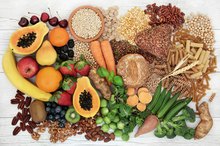
A diet that reduces the risk of a fatty liver supports general health and promotes a healthy weight. It is rich in nutrient-dense foods that help prevent diseases and obesity, and limits unhealthy foods that have little nutritive value. It also...
Fatty liver disease, the accumulation of excess fat in your liver, refers to a group of conditions that may not damage the liver initially but can progress into severe liver scarring and cirrhosis. Your liver performs the essential metabolic...
Nonalcoholic fatty liver disease is a serious version of chronic liver disease that is common in the United States. In fact, some 70 million U.S. adults, or 30 percent of U.S. adults, are affected by this disease, according to a study reported in...
The main cause of a fatty liver is obesity caused by excess calorie consumption, according to the American Liver Foundation (ALF). Fatty liver is also caused by diabetes, high cholesterol, high triglycerides, alcohol abuse, gastric bypass surgery,...
Fatty liver disease is a condition in which too much fat builds up in your liver. You are more at risk for fatty liver disease if you tend to put on weight around your middle, eat too much, especially too much fatty food, or drink too much...
A fatty liver is an excess of fat in the liver cells, according to the American Liver Foundation. A fatty liver can lead to inflammation called steatohepatitis. The inflammation then leads to scarring and hardening the liver and is called...
A fatty liver is characterized by a buildup of fat in the liver. If left untreated, it can lead to serious liver damage. Congestive heart failure means your heart cannot pump enough blood to meet your body's needs. Congestive heart failure can be...
Fatty liver is the most common form of liver disease, according to the UT Southwestern Medical Center. The condition results from various causes, including alcohol abuse and diet. If left untreated, fatty liver can develop into scarring of the...
People with fatty liver disease often don't know they have a fatty liver --- most people are asymptomatic or have mild symptoms, such as fatigue or abdominal pain. Fatty liver disease may be caused by certain medications, such as synthetic...
You can treat non-alcoholic fatty liver disease with diet and lifestyle changes, which can help you reach or maintain your goal weight, decrease your risk of developing type 2 diabetes and keep your cholesterol and triglyceride levels in check. By...
Fatty liver is a condition in which there is an excess buildup of fats in the liver cells. It commonly affects people infected with hepatitis, heavy alcoholics and people who are overweight. Common causes of fatty liver, aside from alcoholism and...
Alcoholic fatty liver disease is a reversible condition if you adhere to a healthy diet, yet can progress to alcoholic hepatitis, cirrhosis and liver failure if you continue drinking alcohol. Your liver stores energy from food and makes proteins,...
Fatty liver disease is a condition indicated by fat that accumulates in the liver in people who consume little or no alcohol. According to the Mayo Clinic, some who have fatty liver disease do not experience negative symptoms. Others develop...
Fatty liver disease frequently produces no symptoms, but may lead to inflammation, impaired function or the permanent scarring of cirrhosis. The condition is caused by long-term liver injury, possibly from alcohol abuse, acetaminophen or other...