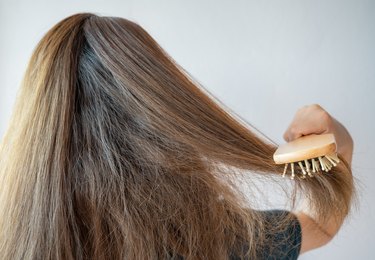
Hair loss in women has many different causes including genetics, hormone changes, stress, weight loss, certain diseases, some medications, nutrient deficiencies or even excess vitamin A. Although some forms of hair loss may not...
Hair loss can be a distressing event for women of any age. Remedies for hair loss abound, yet some are more helpful than others. As the benefits of herbs become widely recognized, an increasing number of women are turning to he...
Although men usually experience more significant and visible hair loss, women are also at risk for thinning hair. There are numerous causes for hair loss in women and some cannot be prevented. However, consuming enough essentia...
Few things are more devastating to a woman than losing her hair. Women's hair loss can have many causes, including autoimmune disorders, infectious diseases, hormonal alterations from pregnancy and menopause, and severe nutriti...
Although hair loss, or alopecia, is commonly seen as a problem that affects men, women can also suffer from this condition which often has a serious impact on confidence and self-esteem. Treatment depends on the form of alopeci...
According to MedlinePlus, an iron deficiency is a common cause of hair loss in women. If you have low iron levels, you may develop iron deficiency anemia, which can lead to thinning hair and other adverse side effects. To help ...
Natural foods may help hair grow and prevent hair loss. You can easily add natural foods to your diet and improve hair growth and hair quality. Hair begins to thin with age, but when you supply the nutrients that the hair and t...
DHEA has many potential benefits, although research is insufficient to support many of the proposed uses, according to the U.S. National Institutes of Health at its MedlinePlus website. DHEA has side effects involving both hair...
While hair loss is largely considered a male-related condition, women also can experience this worrisome occurrence. One of the chief causes of hair loss is lowered levels of testosterone, which is found in both the male and fe...
While used in supplement or pill form to help the body produce enzymes, hormones and antibodies, it has been found to be successful in the treatment of outbreaks due to the herpes virus. Female hair loss typically begins around...
Most women are self conscious about their hair and even more so with hair loss. It may come on gradually or suddenly, be temporary or permanent. There are ways to help prevent hair loss and treatments to reverse it, depending o...
Many people believe that hair loss is a problem only for men. However, the American Hair Loss Association states that about 40 percent of the people suffering from hair loss are women. There are various options for women to tre...
In certain conditions, testosterone transforms into another hormone called dihydrotestosterone, or DHT. Women are highly sensitive to the presence of DHT, and even small amounts of the hormone in a woman's hair follicles can tr...
Vitamins are important for the healthy growth of hair, and deficiencies can cause poor hair growth and even hair loss in women and in men. Hair loss increases as women age, so maintaining good eating habits and adding vitamin s...
Many factors can contribute to hair loss in women, such as genetics, hormones, stress, use of chemicals and heat, as well as wear and tear. However, poor diet and nutrition also play significant and common roles in women's hair...
Hair loss in women older than 50 can occur due to genetics, the aging process or even an underlying medical condition. Depending on its cause, it can be a permanent or temporary condition. In order to properly treat and cope wi...
Whether it's the result of genes or a major medical problem, you and your health care provider can work together to find the cause of and treat your major hair loss.
Alopecia, or hair loss, can be devastating for anyone, but especially in women, for whom baldness presents a social stigma. Women may feel embarrassment, shame and reluctance to seek out procedures commonly thought for men. Whi...
Losing hair is a disappointing and emotional experience. Eating disorders, stress and bouts of illness contribute to hair loss. Even a very low-calorie diet and poor nutrition can cause women to shed hair. Research published by...
Both your hair and nails serve as guides to your general health, Women Fitness says. Hair that is shiny, strong and devoid of split ends, and nails that are equally strong, well-maintained and not showing any spots, peeling or ...
According to the American Hair Loss Association, there are two scales used to measure hair loss: the Ludwig Scale and the Savin Scale. These scales are practically identical, except that the Savin Scale measures both visible ha...
Hair loss among men is common, but 40 percent of hair loss sufferers in the United States are women. According to the American Hair Loss Association, within the medical community, men's concerns about hair loss often take prior...
Hair loss is an embarrassing condition; however, it may be the most embarrassing for women since men more commonly lose their hair or go bald. Women lose their hair for several reasons, including sickness, improper diet, stres...
Women--and men--normally lose up to 100 hairs every day, according to MayoClinic.com, but the loss is barely noticed due to the other 100,000 or so hairs sprouting from the scalp. Women can also experience balding with age, alt...
There is a number of vitamins and herbs available to help treat hair loss in women.
Some conditions, such as alopecia areata, eczema or psoriasis, can cause permanent hair loss in women. Because a woman's hair is such an important feature of her appearance and identity, experiencing and confronting a hair loss...
Hair loss or the thinning of hair on the scalp, although frustrating, is a common problem among both men and women. Because this type of hair loss is so widespread, it is generally accepted as a "normal" part of aging. Body hai...
Although RA does not cause hair loss, some of the treatments for RA can result in loss of hair in women, which can cause significant discomfort.
The average individual sheds 50 to 100 hairs a day, according to the American Academy of Dermatology. Causes of hair loss in women include heredity, illness, stress, childbirth, menopause, malnutrition, medications, iron defici...
At least 90 percent of your hair is growing at any one time and 10 percent is in a resting phase. The resting hair falls out after two to three months and new hair grows in its place. According to the American Academy of Derma...
Hair loss may not be a problem that women expect to encounter, yet up to 40 percent of those suffering from hair loss in the United States are women, according to the American Hair Loss Association. If you are one of those wome...
Hair loss in women is increased by aging, hormones, or a variety of medical conditions. Genetics play a role, as well. Certain medications have been shown to increase hair loss in women, especially antibiotics and steroids. Bac...
When a woman loses her hair, she often experiences distress and may feel insecure about her identity as a woman. Hair loss in women displays an array of symptoms; each symptom is related to a specific condition that causes hair...
Many women suffer from hair loss, which can occur from a number of factors such as stress, hormonal problems, after giving birth, medications or certain types of infections, according to the Family Doctor. Fortunately, there is...
Women can experience hair loss for a broad range of reasons. In some cases, the loss can be directly related to a vitamin deficiency. In others, hair loss can be related to hormonal changes that take place during and after preg...
Hair loss can be a traumatic experience for both men and women, and while it is not necessarily par for the course, it does happen to many people. However, there are natural remedies that can help stop the process of hair loss ...
Minoxidil is a drug that can be used to slow hair loss and promote the growth of new hair. Although it was first used in men with male pattern baldness, it is now also used in women experiencing hair loss. However, only between...
Hair loss in women is a condition that may be caused due to numerous factors, such as illness, age or after a major surgery, according to the FamilyDoctor.org It is normal to shed some hair throughout the hair cycle; however, i...
Doctors and dermatologists pay close attention to the pattern, speed and shape of hair loss to determine the exact cause. When the loss is localized to one spot or several small spots, the cause is easier to diagnose than it is...
Genetic hair loss, also known as androgenetic alopecia, is a condition that causes significant reduction in scalp hair through the loss of productive hair follicles. In women, this form of hair loss triggers a thinning of hair ...
Fluctuations in hormone levels and the advent of menopause bring about significant changes in the body. Not only is the body affected by these changes, the hair is affected as well. Hair can become dry, brittle and lackluster. ...
Although 50 percent of women will lose some hair over the course of their lifetime, very few suffer from acute or severe hair loss, according to a 2007 study conducted by Quan Q. Dinh and Rodney Sinclair, published by Dove Medi...
As women begin to age, their hair may get weaker and can lose its tone, making it appear unhealthy. Hair loss is a common condition, especially in the elderly population who may experience hair loss due to age, illness or the l...
The American Hair Loss Association reports that women make up 40 percent of the people struggling with hair loss in the United States. Hair loss occurs in response to medical conditions and emotional stimuli, resulting in a not...
Hair loss, or alopecia, happens for many reasons. One common cause is chemotherapy, though most women who lose their hair during treatment find it begins to return two to three months after treatment, according to the National ...
There are 30 million women in America who experience hereditary hair loss. In addition, unexpected illness, stress, hormones or poor nutrition can also cause women to experience thinning hair. However, there are a number of pro...
Hair loss is a distressing problem no matter what your sex, but may be even more difficult to accept if you are a woman. Female hair loss may occur due to one of several reasons, including the effects of hormones on hair follic...
The American Academy of Dermatology says that while shedding hair is normal, excessive hair loss is reason to see your doctor or a dermatologist. Although some hair loss problems will resolve on their own, others may require me...
For many women, their hair is their crowning glory and a source of great pride. It's the one accessory that you can't take off, and people see it every day. When women experience hair loss, however, it can be a traumatic experi...
Hair loss occurs when the cycle of hair growth is slowed or halted by age, heredity, illness, injury or nutritional deficit. During a normal hair-growth cycle, individual hairs shed and regrow at the same rate. Once the number ...
Hair loss affects up to 30 million women in the United States according to the American Academy of Dermatology. Occuring as early as the late teens, the problem is most common in women over 50, with causes including anemia, hor...
Hereditary or genetic hair loss accounts for 95 percent of all hair loss cases. Although men often have the most to lose, women are not immune to the genetic curse. In fact, hereditary hair loss affects more women than you migh...
Excessive hair loss, or alopecia, is not just a problem that affects men. Forty percent of Americans with alopecia are women, according to the American Hair Loss Association, and the condition can be embarrassing and emotionall...
Hair loss can occur for many reasons according to the American Academy of Dermatology (AAD). Stress and heredity are two of the most common causes of hair loss in women. Androgenetic alopecia is the medical term for thinning ha...
Becoming a mom changes your hair care routine significantly--some days, you may be lucky to jump in the shower, much less be able to blow and smooth your hair into your pre-baby hairstyle. While some changes to your hair may be...
When most people think of hair loss, male pattern baldness comes to mind first, but women can also experience excessive hair loss. There are many causes of hair loss in women. Prevention strategies and treatment depend on the s...
If applied properly, hair color should not cause hair loss in any woman. However, there are some circumstances where it is not advisable to color at all for fear of hair loss. Circumstances include extreme damage, severe illnes...
Hair loss is a condition commonly associated with men, but older women can develop the problem too. While women don't usually develop large bald spots on the head, areas of thinning hair can just be as disturbing, particularly ...
The body undergoes many changes with age. After age 50, men and women begin to experience changes that could include difficulty with digestion, brittle bones, memory loss and gray hair. While not all changes related to aging po...
Contrary to popular belief, hair loss does not affect men only. In fact, according to the American Hair Loss Association, women account for nearly 40 percent of Americans who lose their hair. Although it's normal to shed some h...
The hormonal changes that commonly occur during menopause can bring with it a variety of unpleasant side effects, one of which is the possible thinning of hair. However, the hair loss associated with menopause is usually tempor...
Approximately 40 percent of individuals suffering from hair loss are women, according to the American Hair Loss Association. And much like men, this hair loss is often associated with genetics. Female-pattern baldness, or andro...
Stress-induced hair loss in women may be due to myriad causes, including recent changes in medication, physical stress (weight changes, recovery from surgery) or emotional duress. By tracing the onset, duration and experience o...
The most common environmental causes include poor nutrition, scalp and hair treatments, infections or physical injury. FamilyDoctor.org states that women often experience hair loss after pregnancy or stopping birth control trea...
They affect reproduction, metabolism, sexual function, human development and mood. Hormones also play a role in hair loss in women. Hormonal causes of hair loss require specific treatments to restore hair growth and prev
Although hair loss is more commonly seen in men, women can suffer from hair loss as well. Different factors can lead to female balding, including genetics, skin conditions, excessive hair styling, poor nutrition, hormonal chang...
Although hair loss is more common in men, women can also develop what is known as female pattern baldness. Women normally shed approximately 100 strands a day, but women with female pattern baldness shed more and the hair that ...
A woman experiencing hair loss is not alone. According to Women to Women, one of the most common and emotionally devastating complaints of female patients concerns thinning hair and hair loss. Treatments for hair loss in women ...
Hair loss in women under age 30, although not typical, is also not uncommon. In fact, women make up about 40 percent of hair loss sufferers in the United States, according to the American Hair Loss Association (AHLA). Causes ca...
Most women don't even think about hair loss until it starts happening. What begins as a few extra strands in the shower drain can rapidly turn into visibly thinning hair, and for many, this is overwhelming. But you don't have t...
Hair loss doesn't just occur in men. Forty percent of hair loss sufferers are women, according to the American Hair Loss Association (AHLA.) While some thinning of the hair naturally occurs with age, large areas of thinning hai...
According to the American Hair Loss Association, there are currently no medical treatments approved by the Food and Drug Administration (FDA) for female pattern hair loss; however, there are prescription drugs available for off...
However, it can actually indicate some serious health problems. Before you panic, know it might be caused by something as benign as aging, especially in post-menopausal women or an easily-treated skin condition. More serious h...
A certain amount of hair loss is common and occurs as each hair completes its growth cycle. Excessive hair loss that eventually causes noticeable thinning is not uncommon among women, although it may signal an underlying condit...
Hair loss in women, also known as female pattern baldness, is a condition that can severely affect your appearance. MedlinePlus indicates that genetics, hormones and aging are to blame for causing this problem.
Apple cider vinegar is critical to incorporate into a hair preserving and regaining routine for women. Apple cider vinegar is full of nutrients such as B vitamins and an array of minerals. It also contains alpha hydroxy acids a...
Hair loss is a very common problem for women, and most will experience some form of it during their lifetime. Hair loss in excess of 50 to 100 hairs a day may indicate a serious problem. Though hair loss is partly genetic, you ...
Hair loss is a non life-threatening condition that is commonly associated with men. But women can also suffer hair loss. According to the American Hair Loss Association, women make up approximately 40 percent of American hair l...
It's normal to shed a few hairs every day, but when you suddenly lose excessive amounts, it can be alarming. Whether it's coming out in clumps or shows diffuse thinning, inexplicable hair loss can have a devastating effect. A n...
Women lose hair for any number of reasons, including inheriting the condition to hormone imbalances during menopause, mental and physical stress and fad dieting that results in rapid, extreme weight loss. Alopecia, or hair loss...
Women have the hormone testosterone, just not as much as men. However, DHT hair loss in women, also called androgenic alopecia, is different than in men. As such, experts prefer to use the term female pattern baldness because ...