The established benefits of oregano are primarily associated with its strong antimicrobial properties, although it’s also an antioxidant and a mild stimulant. Consumption of oregano has long been considered safe, although...
Heart palpitations have a variety of causes, including nutritional deficiencies, stress, heart disease, high blood pressure and allergic reactions, among others. Bananas are a good source of potassium, a primary electrolyte in ...
Although you might occasionally feel your pulse with your fingertips, most people do not notice their heart beating throughout the day. But when you have heart palpitations, you’ll certainly notice the sensations. Althoug...
Dieting is a serious endeavor that requires conscientious effort and dedication. Just like any other challenge you face, there is a right way to approach a diet and a wrong way. Unfortunately, improper dieting can cause permane...
Caffeine is a central nervous system stimulant that can make you feel more awake, alert, confident and motivated, but you also may be getting more than you bargained for. Heart palpitations are among the most common complaints...
You may drink green tea as a hot or cold beverage simply for the taste. You also may use green tea for health reasons. It has been promoted primarily for weight loss as both a beverage and as a supplement you take in pill form....
If your heart begins to palpitate after you've eaten a food that contains gluten, you may be having an allergic reaction to the gluten. Unlike mild allergy symptoms, heart palpitations are a sign of a serious complication calle...
It is uncommon for licorice extract to cause heart palpitations. Heart palpitations are commonly the result of a systematic allergic reaction called anaphylaxis. However, heart problems also might be a sign of a rare condition ...
Your heart may beat faster or irregularly because of the increase in the pumping of blood. The temporary effects occur commonly and are usually harmless. People who are overweight or extremely underweight may experience palpita...
If you have a sensitivity or allergy to one or more of the ingredients in decaffeinated coffee, you can develop heart palpitations and other symptoms. Avoid all caffeine until you can receive a medical assessment from your doct...
You will feel tired and lazy when consuming large amounts of food. Your blood sugar rises and your digestive system requires an increased amount work to digest the extra food. Your heart pumps harder to circulate bloodas your b...
It is not unusual to experience heart palpitations after a heavy workout and one of the main causes is a spike in your adrenaline levels, says Dr. Michael G. Kienzle on the University of Iowa Hospitals & Clinics website. On...
It can be brought about by overexertion, for example, during intense exercise, or as a result of an impulse that triggers the release of adrenaline, for example, getting a fright. Ingested substances, such as drugs, alcohol, ni...
Heart palpitations, also called arrhythmia, are a medical symptom that causes your heart to race or create a pounding sensation in your chest. The most common causes of arrhythmia from eating certain foods include food allergie...
Heart palpitations, a type of cardiac arrhythmia, have been described as an electrical storm in your heart. Heart palpitations can range from mild and sporadic occurrences to life-threatening emergencies. The most common type o...
Like any other medication, herbs and herbal teas can have side effects ranging from mild to severe. While most herbal teas that you can buy in the grocery store should not cause heart palpitations, teas made from dried herbs ha...
Heart palpitations may make you feel as if your heart is racing, pounding or fluttering. They can be triggered by many factors including stress, dehydration and medications. Nutritional causes related to foods and drinks you co...
Heart palpitations are abrupt increases in heart rate, most often accompanied by sensations of pounding or fluttering. While occasional heart palpitations are common and rarely require treatment, significant or frequent changes...
In its natural form, green tea contains the central nervous system stimulant caffeine. Heart palpitations are unusual heart-related sensations or perceptions that commonly include a racing or pounding heartbeat. Because of its ...
Although better known for its immune boosting and wound healing properties, zinc is present in heart muscle and interacts with calcium in ways to affect heart function that are not well-understood. Heart palpitations, or irregu...
Heart palpitations, also known as arrhythmias, are abnormal heartbeat sensations. If you have heart palpitations, you may experience heart pounding or racing and heart fluttering, or you may feel as though your heart skipped a ...
Chocolate contains trace amounts of stimulants such as caffeine and theobromine, which, in large amounts, can trigger cardiovascular symptoms including heart palpitations. If you have high blood pressure or a rapid heart rate, ...
Heart palpitations, a type of abnormal heartbeat, may feel like a fluttering sensation in the chest, skipped or extra heartbeats, or a feeling that the heart is "flip-flopping" or "running away." Having excessively low or high ...
You may enjoy a glass of milk, but if you develop heart palpitations and headaches after consuming dairy products, you may need to eliminate dairy from you diet. Dairy allergies that cause heart palpitations and headaches may l...
The level of this hormone declines with age, which can cause symptoms. If your symptoms are severe your physician may prescribe medications that mimic the actions of progesterone. However, all types of medication can cause side...
Vitamin B-12 is an essential vitamin the body uses to produce energy, but if you develop heart palpitations, discontinue using the product and call your doctor right away. Because heart palpitations are not a common side effect...
Ginkgo is an herb with leaves that are typically used to manufacture extracts for medicinal purposes, according to MedlinePlus. Sometimes the seeds of the ginkgo plant are used medicinally, but this is not common practice and t...
Heart palpitations can be benign or they can be a warning sign or symptom of a serious underlying disease. Depending on the cause of your heart palpitations, taking CoQ10 may help, however to be safe make sure you talk to your ...
Heart palpitations are the sensation you may get in your neck, chest or throat that your heart is fluttering or beating too quickly, too slowly or irregularly. You may feel palpitations after strenuous activity, but you may als...
Heart palpitations can be an occasional occurrence and not considered serious, or they can be a sign of an underlying medical condition that requires treatment. Depending on the cause and severity of your symptoms, making chang...
Heart palpitations are skipped or extra heartbeats or a heartbeat that does not feel right. According to the Family Doctor website, the underlying cause of heart palpitations cannot be found in approximately 1 out of every 7 pe...
It's unusual to develop heart palpitations after taking niacin, but it could happen if you have an allergic reaction to the supplement or if an uncommon side effect occurs. Heart palpitations can make your heart beat irregularl...
Oregano leaves contain various compounds that display antioxidant and antimicrobial activity, which is why they have been used for centuries to treat infections and cardiovascular problems. Oregano is sometimes recommended to t...
Containing water, carbohydrates and the electrolytes sodium, potassium and chloride, Gatorade supplies energy along with mineral salts typically lost through sweat. In some cases, Gatorade may help prevent or fix problems assoc...
Fish oil can cause heart palpitations because of an allergic reaction related to fish, or because you have an implanted defibrillator. Heart palpitations are an alarming symptom and you need to discuss them immediately with you...
Experiencing an erratic heart rate is frightening. If you notice that you develop heart palpitations when you take a probiotic supplement, stop using the supplement and call your doctor. Heart palpitations can be a sign of a se...
Low levels of magnesium can disturb the electrical activity in the heart, causing palpitations. The mineral is sometimes given intravenously in the hospital to treat dangerous heart rhythm disturbances. Heart palpitations shou...
Just as different pharmaceutical drugs produce different effects, however, so do natural medicines obtained from plants. Herbs can increase the effects of other medications or reduce their absorption. In addition, certain herbs...
Some super B complex formulas contain more than 6,000 percent of the recommended daily allowance -- RDA -- for B vitamins. If you take B vitamin in high doses, you increase your risk of suffering serious side effects, including...
They're called "essential" because the human body must have them to develop and function normally. EFAs are so important to heart health that the American Heart Association recommends people with known heart disease to suppleme...
Heart palpitations occur when the heart beats at an irregular rhythm. The heart normally has its own type of electrical conduction system that controls each contraction and keeps it pumping at an even pace. When this system is ...
Heart palpitations are a common problem, and most people who experience them still can exercise. Before embarking on an exercise regimen, know exactly what palpitations of the right atrium are, the seriousness of your situation...
Caffeine, a stimulant, can cause heart palpitations if you ingest too much of it or are sensitive to it. Caffeine also can trigger panic or anxiety attacks, especially if you already have an anxiety disorder, which in turn can ...
You may be trying to do your body a favor by taking probiotics, but heart palpitations that develop from taking the supplement may do your health more harm than good. Heart palpitations are a sign of a severe allergic reaction ...
Although many foods contain varying amounts of individual B vitamins, B-complex supplements usually contain all eight of the essential B vitamins. Your intake of B vitamins may affect your levels of stress and anxiety. Heart pa...
You can find them over-the-counter, or your physician may prescribe diuretics to treat high blood pressure, edema from fluid accumulation or heart conditions. Use of diuretics may cause side effects, including heart palpitations
If you have put on some extra pounds, you may notice the effects of your weight gain through an increase in heart palpitations. This condition describes the feeling of your heart racing or feeling as if it had skipped a beat. H...
A deficiency of niacin can cause digestive problems, inflamed skin and cognitive impairment. However, you should only use niacin supplements under medical supervision, because they can cause many side effects including heart pa...
It is very rare for someone who is healthy and capable of eating a balanced diet to incur a deficiency of this nutrient. Not having enough magnesium can affect the heart, but this is a symptom of advanced deficiency. If you sus...
This increase in caffeine intake among the entire population is leading to more and more occurrences of caffeine side effects including heart palpitations. The CDC also reports as many as 32 million Americans are diagnosed at s...
Combined with Vitamin D for better absorption, adequate levels of calcium are needed for bone health, as well as for proper nerve, muscle and heart function. Certain side effects are associated with taking a calcium supplement,...
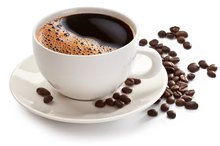
Coffee is a common beverage many people enjoy on a daily basis, but drinking too much of it may lead to heart palpitations. Coffee contains moderate levels of caffeine that could lead to heart palpitations and other symptoms. T...
If you notice that your heart begins to race when you eat foods that contain tomatoes, you may be experiencing a severe allergic reaction. Heart palpitations are not a common result of eating tomatoes and needs an evaluation by...
There are some specific vitamin supplements that are known to cause heart palpitations. Palpitations occur after taking these vitamins for different reasons. First, some people have allergic reactions they may not know about to...
Heart palpitations or irregular heart rhythms can occur for many reasons. In some cases they can be a sign of an underlying medical condition, while in other cases they can be an occasional occurrence caused by diet, stress or ...
Magnesium is unique in that it is involved in more than 300 metabolic reactions throughout the body. It also functions in the prevention of chronic conditions such as diabetes, hypertension, asthma, osteoporosis and heart disea...
Heart palpitations that develop after drinking beer is most likely a sign of anaphylaxis, a systematic allergic reaction that affects your entire body. Beer contains sulfites, grains and alcohol that can all trigger an allergic...
Psyllium is a herbal supplement used to soften the stool and alleviate constipation. Although allergic reactions are rare, heart palpitations are a sign of a severe reaction called anaphylaxis. If you develop heart palpitations...
Heart palpitations caused by eating are likely the result of a severe food allergy. If you have not been diagnosed with a specific food allergy, you need to make an appointment with an allergist. An allergist is the most qualif...
Confusing the two conditions is easy to do because they can cause similar digestive symptoms to develop after eating wheat products. Heart palpitations can occur as a result of a wheat allergy if you have a severe allergic reac...
Whey proteins cause heart palpitations because you are allergic to them. Whey is found in a wide array of foods that contain dairy products. Do not ingest products that contain whey protein if you're allergic to milk. The heart...
Heart palpitations that develop an hour after you eat may be a sign of a severe allergic reaction. Although food allergies can cause symptoms to develop within minutes of eating, some symptoms can take up to an hour or two befo...
It's important to maintain a normal balance of magnesium in the body, because either too much or too little can make you sick and produce symptoms including heart palpitations and chest tightness. If you are experiencing chest ...
Heart palpitations can be scary. You feel like your heart is racing or pounding and perhaps it's irregular. You may suddenly notice you can feel your heartbeat in your chest, throat or neck. A variety of things can affect your ...
It is the main cation, an atom having a positive charge, in the fluid inside the cells. It is this positive charge that allows potassium to act as an electrolyte, conducting electricity throughout the body. It is needed for pro...
If eating chocolate causes heart palpitations, stop eating chocolate until you can be seen by your doctor. Heart palpitations are a sign of anaphylaxis, a severe allergic reaction that can lead to death if not treated. Although...
Heart palpitations that develop after you've eaten chocolate are alarming symptoms that require medical attention. Chocolate is made from the cocoa bean. Allergies to the cocoa bean are rare. But chocolate usually contains othe...
Heart palpitations can feel surprising and scary -- all of a sudden your heart might feel as if it's racing or as if it skipped a beat. If you notice heart palpitations while you're walking uphill, you probably wonder if the ex...
If you have just finished your morning cup of coffee, it's not unusual to experience some initial symptoms like feeling jittery or experiencing heart palpitations. These palpitations may feel like your heart is racing, as if yo...
If you are extremely active or exercise regularly, or you take blood pressure medication, your heart beat will average 55 beats or less. Sometimes, your heart might have an extra heart beat, or what is referred to as extrasyst...
It's not unusual to feel heart palpitations -- the sensation of a racing heartbeat that you can feel in your chest and your throat, or misses beats -- if you've been running fast. But if you've never felt this type of heart pal...
One of the primary symptoms of an anaphylactic reaction to wheat is heart palpitations. If you notice that your heart rate increases and grows faint after you eat wheat products, you need to call your doctor or 911 for further ...
It's normal to experience an increase in your heart rate while jogging, but heart palpitations are another matter. Although most cases of jogging-related palpitations are minor, in some instances palpitations could be a sign of...
Heart palpitations are irregular heartbeats that can cause your heart to race, flutter, pound, skip beats or briefly stop. A variety of factors can trigger heart palpatations, such as anxiety, stress, emotional distress, panic,...
If you have ever experienced heart palpitations while walking, you know firsthand how unpleasant and frightening they can be. Fortunately, heart palpitations are rarely serious. Many external factors can contribute to the odd s...
Heart palpitations are often described as sensations that the heart is fluttering, racing or skipping a beat. Most of the time, palpitations are triggered by some type of stimuli, such as exercise. The increase in physical acti...
Heart palpitations are uncomfortable heartbeats that may feel like your heart is pounding or racing, or you may feel skipped or irregular beats. Palpitations are not usually serious, but you should be examined by your doctor to...
If you've been diagnosed with a soy allergy and you experience heart palpitations, you need to call 911 immediately. An increased heart rate after eating soy is a sign of anaphylaxis, a severe and potentially life-threatening a...
Scary though they may be, palpitations are rarely threatening on their own. However, in some cases they are indicators of underlying problems. If you don't get enough exercise, heart palpitations might be your body trying to se...
Experiencing heart palpitations while running can be scary, especially if the feeling is new to you or continues for several minutes. Heart palpitations while running or resting are rarely dangerous, and the cause can often be...
Your heart requires adequate concentrations of several ions to function properly; any abnormality in the concentration of any critical ion needed by the heart can result in palpitations or the unpleasant sensation of your heart...
Palpitation is the sensation that your heart is pounding or racing. You may also feel skipped or stopped beats, a condition called arrhythmia. Palpitations can be felt in your chest, throat or neck. They aren't usually serious,...
You exercise to strengthen your heart, so when your heart skips a beat or flutters quickly while exercising, you may feel there is cause for concern. Heart palpitations or arrhythmias are a common occurrence that do not always ...
Normally, the kidneys regulate blood electrolyte levels by making fine adjustments according to the body's needs. Under some conditions an electrolyte imbalance can occur, as when potassium is depleted by dehydration. This can ...
Heart palpitations cause you to experience the feeling of your heart racing or pounding. The Cleveland Clinic describes heart palpitations as something like a flutter, a skipped heart beat or a heartbeat that does not feel nor...
The heart is a muscular organ that is extraordinarily sensitive to disturbances in electrolyte balance. This is because electrolytes are required to maintain the electrical activity of the heart. Electrolytes are normally obtai...
Heart palpitations are sensations of fluttering, pounding or rapid heartbeats. They can result from stress, exercise, caffeine or certain medications. Although they may feel worrisome, palpitations are typically harmless. Howev...
Heart palpitations are increased or "racing" heart rhythms not related to physical exercise, that are often accompanied by shortness of breath, fatigue and anxiety. Palpitations can be triggered by stressful situations that inc...
Certain B vitamins can cause heart and circulatory dysfunction if the body gets too much or too little of certain B vitamins. One sign of B vitamin imbalance can be heart palpitations or other disturbances of the cardiovascular...
Heart palpitations are irregular heartbeats that can be felt by the individual experiencing them. Since the heartbeat is not normally noticed, this can be a bit disconcerting. Many things can contribute to the occurrence heart ...
It helps to maintain the normal electrical balance between the inside and outside of cells, allowing them to do work. If the balance is incorrect, such as by having low potassium in the body, more electrically active cells, suc...
The mineral iron plays an important role in oxygen transport and helps regulate cell growth and division. According to the Office of Dietary Supplements, approximately two-thirds of the iron in the body is found in red blood ce...
Creatine is an organic substance in the body that is synthesized in the liver and kidney from essential amino acids. It is then transported through the blood to the muscles. According to MayoClinic.com, about 95 percent of the ...
Heart palpitations can be characterized as a racing heart beat that can be felt in the chest or neck. They can also be felt as skipped beats, beats that are faster or harder than usual, or a fluttering in the chest. They can oc...
When you can feel the heavy beating of your heart when you are at rest or moving slowly, according to the American Academy of Family Physicians, you may be having heart palpitations. While heavy heart beating is normal during i...
Heart palpitations are relatively common and are described as a feeling of the heart "fluttering" in your chest. Many diseases present with a combination of heart palpitations and unintentional weight loss. In addition, some dr...
You have just finished a large meal and your heart begins to feel as if it is fluttering or beating out of your chest. These feelings, known as heart palpitations, can be alarming. Understanding how and why these palpitations o...
The American Academy of Family Physicians points out that while most times an increased or abnormal heartbeat is not a serious symptom, heart palpitations can be a sign of a life-threatening cardiac arrhythmia. Although there a...
This is a surprise, even to those who lead the study, since fish oil has so many beneficial effects on health.
However, if you take too much magnesium, you can experience symptoms that include an irregular heartbeat, a symptom sometimes indicated by the presence of fluttering, or rapid heartbeats called palpitations.
Inescapably annoying and often worrisome, heart palpitations pose no serious health threat to most who endure them. Underneath the brief rhythm-less haze of heart palpitations lies a range of minor health ailments that can ofte...
Palpitations are sensations that the heart is skipping a beat, fluttering, pounding or racing. They may be felt in the chest, throat or neck. Palpitations may be triggered by strong emotions, vigorous exercise, certain medicati...
If you have had heart palpitations, you may be concerned about their cause and what they mean. You may fear that you suffer from heart disease or other conditions. Although you should speak with your doctor about any cardiovasc...
Heart palpitations are electrical disturbances in heart rate. Palpitations present as feelings of your heart racing, skipping a beat or pounding in your chest. The causes of palpitations are many, including stress, anxiety, exe...
Heart palpitations may present as a feeling that the heart is beating too fast, too hard, skipping beats or fluttering. This condition can occur at any time, whether at rest or during rigorous activity, according to MayoClinic....
Heart palpitations during an allergic reaction may indicate the onset of a life-threatening condition called anaphylaxis. Anaphylactic allergy symptoms can occur following contact with certain foods, drugs, insects and plant pr...
A wide array of factors can trigger heart palpitations, a sensation that the heart is racing, pounding or even missing a beat. Causes may include anxiety, fear, stress, anemia, some medications and street drugs, hyperthyroidism...
One of these cholesterol-lowering medications is niacin. But like any prescription drug, there is always the potential for side effects. While flushing, itching, dry skin and upset stomach can occur, explains MedlinePlus, heart...
Heart palpitations occur when the normal rhythm of the heart becomes abnormal. Normally, the top two chambers of the heart, called the atria, deliver blood to the bottom two chambers of the heart, called the ventricles, which p...
The term used to describe a racing heart is "heart palpitations." Your child might have palpitations for a number of reasons. Palpitations are actually common and in many cases are not dangerous, according to Cincinnati Childre...
A normal resting heart of an adult beats regularly between 60 and 100 times per minute, according to MedlinePlus. Heart palpitations are characterized by uncomfortable sensations due to irregular beating of the heart. Some in...
Heart palpitations can strike quickly and can be a frightening experience. The University of Maryland Medical Center claims the heart beats between 60 to 100 times a minute in an average person. A change in the beat of the hear...
The state of high levels of potassium is referred to as hyperkalemia, while low levels are called hypokalemia. Both conditions result in deadly arrhythmias and cardiac arrest.
Heart palpitations involve the unpleasant sensation of the heart racing, pounding, skipping beats or beating forcefully. Heart palpitations are not always serious; however, they may be a result of an underlying disease. In the ...
In some cases, heart palpitations occur with no known cause or in the absence of disease. In other cases, the symptoms of heart palpitations are a warning sign of a problem within the heart or circulatory system. The heart musc...
Heart palpitations are a common phenomenon in which it feels as though the heart is beating too rapidly, skipping beats or fluttering. Palpitations are usually harmless and do not have a serious underlying medical cause. In rar...
A heart palpitation describes the feeling or sensation of the heart skipping a beat, fluttering, pounding or racing. Although heart palpitations can occur as a symptom of a more serious condition, such as an irregular heartbeat...
Heart palpitations represent a sudden, conscious awareness of the heartbeat. Patients generally describe the heartbeat as having an odd quality, such as irregularity, unusual rapidity or exceptional forcefulness. Heart palpitat...
Heart palpitations are irregular heartbeats that may cause the individual experiencing the palpitation to feel as though the heart is pounding, fluttering, skipping beats or stopping briefly. Since palpitations feel so disconce...
While most heart palpitations are completely normal, particularly during pregnancy, they can be disconcerting and scary. Almost everyone has palpitations from time to time, though many women experience them more frequently duri...
Heart palpitations as pounding or racing feelings in the heart, according to Drugs.com. People describe the sensations as skipped beats, extra beats, flip-flopping, or fluttering in the chest. Palpitations are usually not a ser...
A sudden awareness of the heart beating abnormally is a heart palpitation. An unusually fast heart rhythm often triggers heart palpitations. Many factors and conditions can cause fast heart palpitations, including medications, ...
Heart palpitations are rapid or skipped heartbeats. Heart palpitations can be caused by stress, exercise or medications or they can occur as a result of another medical condition. The occurrence of heart palpitations is usually...
These sensations can be felt in the neck or chest and can occur as a symptom of heart disease or may not be related to any disease. If heart palpitations are present, the first step is to have the cause properly diagnosed. The ...
People typically experience light sleep, deep sleep and then rapid eye movement sleep. This last stage is also known as REM sleep, and it's associated with dreams. During REM sleep, the body is paralyzed, yet the mind remains a...
The National Institutes of Health define heart palpitations as sensations of rapid or racing heartbeats. Although this feeling is disconcerting, it usually is not a cause for alarm. The heart still is pumping blood, and it is j...
If you are having heart palpitations, it means that you are aware of your own heart beat. Heart palpitations can be just an unpleasant symptom or they may be a warning sign of an underlying medical condition. If you are having ...
When women experience a decrease in estrogen, as they do during menopause, they often suffer from heart palpitations, which are basically racing heartbeats. These palpitations are usually connected to other symptoms associated ...
They promote the removal of water and salt from the body through urine. Heart palpitations or cardiac arrhythmias refer to irregular heart beats that can occur as flutters in the chest or rapid thumps. Some diuretics may cause ...
Heart palpitations, also known as a form of arrhythmia, are bouts of rapid heartbeat. Palpitations may occur in response to extreme emotions such as fear or excitement, physical activity, pregnancy, certain medications, product...
People experience heart palpitations when their hearts start beating rapidly or begin fluttering or pounding. According to doctors at the Mayo Clinic, heart palpitations can result from stress, medication, fear and exercise. Th...
Heart palpitations are signified by a rapid heartbeat, a thumping in the chest that seems uncontrollable. Palpitations often go away quickly, but can reappear at any time. Anyone experiencing heart palpitations should get check...