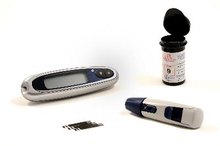
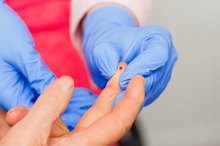
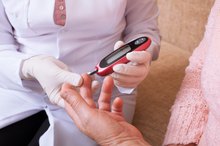
Diabetics rely on blood-glucose monitors to keep their blood sugar within a normal range. When your blood sugar becomes high, insulin is needed to decrease it. Conversely, when your blood sugar drops, glucose helps bring it int...
Bilirubin and triglycerides are normally found circulating in the blood. Elevated levels of either may signal disease. It is unusual to have high bilirubin and triglycerides levels from a single disease without having other sym...
Triglycerides that top 500 mg/dl put you at very high risk for developing cardiovascular disease. To lower triglycerides, follow a diet low in saturated fat, trans fat and sugar. The fiber and healthy oil in triglycerides make ...
Like high cholesterol, high triglyceride levels also increase your risk for atherosclerosis, stroke, heart attack, heart disease and diabetes. Your doctor can perform a lipid panel test on a blood sample to monitor your cholest...
High blood pressure can lead to changes in the structure of the blood vessels and heart, which can result in an irregular heart rhythm, heart attack and congestive heart failure. It can cause a stroke from changes in a blood ve...
Another diagnosis on the increase is high triglyceride levels in the blood. If your child experiences high triglycerides, a type of fat in the blood, your child’s physician may recommend medical interventions to improve y...
Triglycerides are fat-like compounds in the blood stream, similar to cholesterol. And, just like cholesterol, having too high a triglyceride level in the blood increases your risk of developing heart disease and other health pr...
Although avocados are not sweet, scientists classify them as fruits, because they contain a seed or pit. Although avocados are high in calories and fat, the type of fat actually helps to reduce triglyceride levels, therefore ma...
Conditions such as diabetes and kidney failure can be exacerbated by a diet that increases your triglyceride levels. Unused dietary calories become triglycerides that circulate in your bloodstream and negatively affect your blo...
After you eat a meal, any calories that are not needed for immediate use are converted into triglycerides. Triglycerides can then be used for energy between meals. Although triglycerides play an important role in body function,...
One in five Americans has high levels of blood fats called triglycerides that raise the risk of heart attacks, and one-third have borderline high levels, according to the Centers for Disease Control and Prevention. One of the b...
It is essential for processing nutrients, making proteins and filtering waste products from your blood. What you eat can affect the health of your liver. Eating too many calories and too much fat and carbs can increase your bl...
Hypothyroidism is a disease in which your thyroid gland produces too few hormones. Having hypothyroidism increases your risk for unhealthy cholesterol levels, according to "The New York Times" Health Guide, including high LDL, ...
Headaches can be caused or triggered by many factors. While headaches are not a common symptom of high triglyceride levels, headaches may occur due to complications or other conditions caused by too much fat in the blood. If yo...
If your triglycerides measure high, you face a higher risk of heart attacks and strokes. If you suffer from a vitamin B-12 deficiency, you may prove susceptible to anemia, depression, poor memory and other problems. A carefully...
If you follow a low-fat, low-sugar diet and exercise regularly, you can lower your triglycerides by 50 percent, according to the American Heart Association. Coconut oil, high in saturated fat, may contribute to unhealthy trigly...
With a history of commercial use dating back to the Middle Ages, these nuts have played a role as both food and medicine for centuries. Raw almonds offer a variety of health benefits and may help improve your risk factors for c...
Triglycerides represent one of the most abundant types of fat molecules in your body. High levels of triglycerides in your bloodstream -- which can occur as a result of a genetic predisposition, obesity or a high-fat diet, or a...
Many Americans regularly have pasta on their menus, whether it is spaghetti, fettuccine Alfredo or lasagna, and do not suspect that there may be a link between their pasta and triglycerides.
In fact, the American Heart Association recommends everyone enjoy a couple servings of fish each week because it's a good source of lean protein, vitamin D and omega-3 fatty acids, which are good for heart health. If you have b...
You probably have toast for breakfast; a sandwich, panini or sub for lunch; and a few pieces of garlic bread with your dinner. Breads also include pizza dough, burger buns, bagels, English muffins, French baguette, rolls and cr...
High triglycerides put you at increased risk for suffering a heart attack or stroke. Triglycerides, a type of fat, occur naturally in some foods, including meat and cheese. Your body also converts some foods--particularly sugar...
Keeping your blood lipid profile in check can help lower your risk of developing heart problems. Triglycerides are one of the important components of the lipid profile. Levels below 150mg/dL are considered desirable and below 1...
Along with high cholesterol, having high amounts of triglycerides -- a form of fat -- can increase your risk for heart disease. Your diet factors heavily into your triglyceride levels. Particularly important are the types of ca...
While triglycerides can serve as a vital source of energy for your body, too many triglycerides in your blood can increase your risk of heart disease. According to researchers at the John Hopkins School of Public Health, high l...
To reduce your risk, take steps to reduce your low-density lipoprotein cholesterol and triglycerides. Also, maintain a healthy weight, exercise and follow a diet that helps manage your glucose and blood lipid levels. Statins ma...
You obtain triglycerides from the foods that you eat---meat, for instance---and your body also makes triglycerides from carbohydrates, sugar and alcohol in particular. High triglycerides pose a threat to your cardiovascular hea...
High triglyceride levels in your arteries put you at greater risk for suffering heart attacks and strokes. The amount of sugar, fat and alcohol in your diet affects your triglyceride levels. If your triglyceride levels measure...
It manufactures insulin and other digestive enzymes. Pancreatitis is the medical term for inflammation of the pancreas. It can be acute, which means it occurs suddenly, or it can be chronic, meaning it happens over and over aga...
However, the evidence supporting the use of garlic to lower levels of triglycerides and other cardiovascular risk factors is not always sound. Similar to other alternative medicines, ask your doctor before using garlic to lower...
High triglycerides put you at increased risk for heart attacks and strokes. Medical conditions such as diabetes and high blood pressure add to this risk. Your age, gender and genetics also play roles in your heart health. Smoki...
High levels of triglycerides contribute to an increased risk for heart disease, known as the leading cause of death for men and women in the United States. Although classified as a lipid, triglycerides differ from cholesterol, ...
Whether you have high triglyceride levels in your blood or high LDL cholesterol, it is a call for concern. High amounts of either increase the risk of heart disease. It is difficult to say which is scarier, but you can solve bo...
Triglycerides, a type of fat, and low-density lipoprotein cholesterol, a waxy substance, act similarly in your bloodstream. They tend to clog your arteries, making it difficult for oxygen-rich blood to travel to your heart and ...
Your triglycerides, a type of fat, respond quickly to the foods you eat. If you consume a meal high in saturated fat, trans fat or sugar -- or all three -- your triglycerides may spike dramatically. They might also spike from o...
Genetics can make you more susceptible to high triglycerides, but your diet plays the primary role. Your triglyceride levels quickly respond to fat, sugar and alcohol.
The type and amount of fat in your diet affects both your triglycerides and your low-density lipoprotein -- LDL or "bad" cholesterol. Consuming too much saturated fat and trans fat can elevate your risk for developing heart dis...
However, triglycerides are different from cholesterol. Triglycerides are a means of energy for your body while cholesterol helps your body produce hormones. A high level of triglycerides in your bloodstream can indicate an unhe...
Total cholesterol is the sum of HDL, LDL and one-third of triglycerides, where you ideally want your triglycerides and LDL to be low, and your HDL to be high. High LDL isn't healthy, despite your other numbers.
This might lead you to believe that you need to restrict your total carbohydrate intake in order to lower your triglycerides, a type of blood fat than can increase your risk of developing heart disease. But a heart-healthy die...
Other factors include medical conditions such as high blood pressure and diabetes, your weight, your level of physical activity and the amount of alcohol you consume. Your cholesterol and triglyceride levels also prove strong i...
Triglycerides are fatty substances in the blood closely related to cholesterol. When levels reach an upper limit, you are at risk for coronary heart disease and diabetes mellitus. Still, it is important to speak to your doctor ...
In fact, triglycerides are an important source of energy for your body. Most of the triglycerides in your body are located in your fat tissue, but a small percentage of triglycerides circulate through your blood. If the amount ...
Weight loss, exercise and dietary changes, such as limiting fats and sweets, are primary treatments for high triglycerides, also known as hypertriglyceridemia. If your level does not respond to lifestyle changes, you may have t...
Your total cholesterol reflects a balance of three types of substances in your blood: low-density lipoprotein, high-density lipoprotein and triglycerides. Low-density lipoprotein, also called LDL cholesterol, and triglycerides ...
High cholesterol and triglycerides set the stage for the development of heart disease, stroke and diabetes. A healthy diet and an active lifestyle can help lower the risks of developing long-term health problems. Cholesterol mo...
These triglycerides are stored within your fat cells and are used for energy between meals, according to MayoClinic.com. If calorie intake meets your nutritional needs, triglyceride levels are more likely to be normal; if calo...
Triglycerides are lipids that are present in your blood. Any of the calories you eat that your body does not immediately use become triglycerides. As you need energy, your body uses these stored triglycerides, but if you have t...
If you don't modify your diet and lifestyle choices, prediabetes will likely become type 2 diabetes within 10 years. Inactivity, high triglyceride levels and excess fat -- especially around your abdomen -- are all signs of pre...
High triglyceride levels may be an indication of uncontrolled, or undiagnosed diabetes. Although high triglycerides, a type of fat, can't cause diabetes, they're often a symptom of insulin resistance. Insulin is needed to move ...
Increasing your levels of physical activity, stopping smoking, limiting your alcohol intake, losing weight and choosing the right foods are all good strategies to help you reduce your triglycerides to within the desirable range.
Triglycerides are a type of fat that circulates in your bloodstream and provides energy for cell function. When your calorie intake exceeds the amount your body needs for energy, excess calories convert to triglycerides and res...
Although triglycerides are commonly confused with cholesterol, these two types of lipids perform different functions in your body. Triglycerides provide energy, while cholesterol helps rebuild cells, according to MayoClinic.com...
Fatty acids are needed for energy production and as substrates for synthesizing cholesterol, hormones, vitamins and immune molecules. You need some triglycerides in your bloodstream to fulfill these functions. However, if your ...
They provide you with the energy you need when you need it. However, excess amounts can increase your risk of developing heart disease, especially if you are obese. High triglyceride levels generally accompany low HDL--or good ...
Diabetes and high triglycerides are a product of an unhealthy lifestyle. Elevated triglyceride levels may lead to diabetes, and the pair can be life threatening. When you eat more than your body needs, your body stores the extr...
Your blood pressure, cholesterol and triglyceride levels are all important numbers that can add or subtract from your life. Talk to your doctor about the potential consequences of high triglyceride levels.
Triglycerides are the main form of dietary fat. A triglyceride molecule consists of three fatty acids attached to a glycerol backbone. It is the predominate type of fatty acid that determines a triglyceride's classification. So...
Your triglyceride level is included in a regular cholesterol screening and can be determined with a simple blood test. If your levels are high, your doctor will likely include regular exercise as part of his prescribed treatmen...
Once inside these cells, they are released whenever your body needs them for energy. If the calories you eat are higher than the calories your body burns and are mostly from foods that are easily digested or processed, such as ...
Having an excessive amounts of triglycerides is known as hypertriglyceridemia, a condition that can cause heart disease. The only way to detect the amount of triglycerides in your blood is through a blood test known as a lipid ...
Triglycerides are present in your blood plasma along with cholesterol. When you consume an excess amount of calories that your body can't use right away, the calories are turned into triglycerides and stored in your body as fat...
Too many triglycerides in your blood, however, put you at a higher risk of heart disease. If you have high triglycerides, which are defined as 200 mg/dL or above, it is important to take the necessary steps to lower your number...
Like cholesterol, triglycerides are a form of lipids found in the bloodstream. Any unused calories left from food you eat are converted into this fatty substance and stored for later use. If you tend to eat more calories than y...
According to the American Heart Association, extra food that is not used for fuel, is converted to triglycerides and stored in your fat tissue. Poor dietary choices are generally the cause of high triglycerides, but there are o...
High triglycerides are a major risk factor for the development of diseases, including heart attack and stroke. In addition, high triglycerides are often a component used to diagnose the presence of metabolic syndrome. Although...
Triglycerides are made of fat, and hypertriglyceridemia is the condition in which blood triglycerides are elevated. Elevated blood lipids can put you at an increased risk for developing a myriad of diseases such as heart disea...
One such factor is alcohol consumption. Although drinking alcohol in moderation may be beneficial for your cardiovascular health, alcohol may also increase the levels of a lipid known as triglycerides.
An excess amount of triglycerides in your bloodstream is medically referred to as hypertriglyceridemia. Hypertriglyceridemia increases your risk of developing coronary heart disease. If your triglyceride levels are high, define...
Triglycerides are absorbed from the fatty foods that we eat. Fat digestion begins with lingual lipase, an enzyme that breaks down fats. Triglycerides and cholesterol are different types of fats that are broken down and absorbed...
Triglycerides are fat found in your blood, which is derived from the excess calories you eat. Having high triglyceride levels can contribute to an increased risk of developing hardening of your arteries and it is it is generall...
Triglycerides are specialized lipid molecules that transport fatty acids from one place to another in your body so they can be processed or stored for future energy needs. Each triglyceride molecule consists of a short, three-c...
Monitor food choices and meal planning to improve triglyceride levels and reduce heart disease risk. Triglycerides can vary depending on age, sex, weight, physical activity and diet. Having high cholesterol along with high trig...
They are what is measured when you get a cholesterol test, also known as a lipid profile. Stored lipids are an energy source for the body. They are necessary for health, but adverse effects on the cardiovascular system occur wh...
Having a high level of triglycerides raises the risk of heart disease, heart attack and stroke. Lowering triglyceride levels requires lifestyle changes, such as getting regular exercise, losing excess weight, quitting smoking, ...
High triglyceride levels, medically known as hypertriglyceridemia, often occurs in conjunction with elevated cholesterol levels, although cholesterol and triglycerides are separate types of lipids, or fats. High triglyceride le...
Though triglycerides alone don't cause heart disease, the buildup of plaque in the arteries, called atherosclerosis, is caused by cholesterol-containing lipids. These disease-causing lipids are often also high in triglycerides....
Triglycerides are a lipid -- or fat -- that exists in the chemical form of most foods and in your body. Excess amounts of triglycerides in your blood is a condition known as hypertriglyceridemia. Knowing the facts about this co...
Triglycerides do not dissolve in blood, thus they must combine with special carriers, called lipoproteins, which carry them throughout your body to give you energy or to be stored as adipose fat. High blood levels of triglyceri...
Most fats in both your diet and your body are in the form of triglycerides. Often found in association with cholesterol, blood triglycerides increase with caloric intake and play an important role as energy reserves. However, e...
High triglyceride levels are associated with an elevated risk of heart disease and diabetes, the American Heart Association warns. Any calories consumed that are not used as energy are stored as triglycerides, a type of fat, i...
Triglycerides and low-density lipoproteins are both found in your bloodstream. Along with high-density lipoproteins, these particles make up your cholesterol profile. According to the American Heart Association, high levels of ...
They are a major component of very-low-density lipoprotein, or VLDL, which eventually converts to "bad" cholesterol, or LDL. If your triglyceride levels are high, you may be at risk for atherosclerosis, heart disease and stroke...
Triglycerides are a form of fat your body uses for energy between meals. Most fat in foods exists in this form, and the body also makes triglycerides from carbohydrates. Excess levels can increase your risk for heart disease. A...
Cholesterol and triglycerides are substances in the body known as lipids. When both of these levels become elevated, it is known as a lipid disorder. If only your triglyceride levels rise, it is called hypertriglyceridemia. The...
Triglycerides have two main sources--the fat from the foods you eat and excess calories your body doesn't burn for energy. These calories get converted into triglycerides and store themselves in the fat cells of your body. Whet...
Triglycerides are a form of fat. According to MayoClinic.com, the main cause of high triglycerides is the high consumption of simple carbohydrates and fats. Especially when coupled with high cholesterol, high triglycerides can ...
They are found in the food you eat and unused calories stored in fat cells throughout your body. If you eat more calories than necessary, your triglyceride level may rise. Although triglycerides differ from cholesterol, high le...
Triglycerides are the form that fat takes in food and in the body. Triglycerides in the body are the stored, excess fat and carbohydrate derived from food. High levels of triglycerides can cause atherosclerosis, or hardening of...
Triglycerides, which form from unused calories, begin to rise beyond healthy limits when these unused calories build up and store themselves in fat cells. They then pose as much of a danger and health risk as high cholesterol. ...
Cholesterol is one of the best-known health risks you may face. Triglycerides are also hazardous to your health, although they are less well-known. These two fat-based molecules can accumulate in your blood and cause health pro...
As MayoClinic.com explains, calories that are not used right away are converted to triglycerides for the body to use later. Achieving a healthy triglyceride level is important, because a high level can lead to heart disease. Yo...
Triglycerides are types of fat that flow through the plasma in the blood. In similar ways as high cholesterol, high triglycerides can negatively impact your health. Such conditions as heart disease, fatty liver, pancreatitis an...
Triglycerides are a type of lipid---or fat---in your bloodstream, according to MedlinePlus. High levels of triglycerides often accompany high cholesterol and can lead to hardening and narrowing of the arteries, which can put yo...
They are also found in blood plasma and partner with cholesterol to form the plasma lipids. Any calories ingested that are not burned for energy right away will be transformed into triglycerides and be stored in fat cells unt...
Along with high cholesterol, elevated triglyceride levels comprise what is medically known as lipid disorder. According to the American Heart Association, triglycerides form directly from fats eaten in some foods or are convert...
Too many triglycerides can damage the arteries, which can put a patient at risk for developing serious organ damage related to blockage of these blood vessels. High levels of triglycerides are most commonly related to poor diet...
Neither can dissolve in the blood, therefore excess amounts pose a danger when too high.
According to the American Heart Association, adequate levels of triglycerides are important in meeting the energy needs of the body. However, high triglyceride levels can cause damaging effects to the body as well as contribute...
When measuring triglyceride levels, a physician will also measure low-density lipoprotein, or LDL, and high-density lipoprotein, or HDL, cholesterol for a total cholesterol reading for a patient.
Triglycerides can build up in the arteries if the body doesn’t burn enough calories, leading to atherosclerosis, or hardening of the arteries, which increases the risk of stroke and heart disease. High triglycerides can a...
The structure of triglycerides consists of three fatty acids attached to one glycerol molecule. The human body requires an optimum amount of triglycerides for storage and energy. However, high levels of triglycerides have been ...
"High triglyceride levels are associated with an increased risk of developing heart disease," according to Lab Tests Online. Blood lipids, such as triglycerides and cholesterol, are the components in the blood stream that tran...
Triglycerides make up the main source of the body's stored energy. Triglycerides and cholesterol are obtained from food and manufactured in the liver, Johns Hopkins Medicine explains. High blood levels of triglycerides, like hi...
Most fats in the body exist as triglycerides. Hypertriglyceridemia, or a high triglyceride level, occurs when excessive amounts of triglycerides circulate in the body. This increases the risk of cardiovascular events and acute ...
The body turns the excess calories into triglycerides, a type of fat, and stores it in your fat cells. Some of it can also be found in your bloodstream. The American Heart Association recommends you keep your fasting triglyceri...
According to the Mayo Clinic, an individual has high triglyceride levels if the level of triglycerides in the bloodstream reaches 200 mg/dl or above. Symptoms of high triglyceride levels are obesity, type II diabetes, high chol...
Atkins' New Diet Revolution." The late Dr. Robert Atkins wrote that dramatically cutting the carbohydrates you eat causes this decline. The reduction in triglycerides, which are fats in your blood, is important because a trigly...
You may have just had your cholesterol tested, and while you are more concerned with your LDL and HDL levels, your doctor informs you that your triglycerides are high. You give him a quizzical look, wondering what these triglyc...
When you have your cholesterol level checked, your total cholesterol count includes your triglyceride level. Your doctor can also check your triglyceride level separately. Your body needs some fat to function normally. However...
However, what many patients do not realize is that there are two types of blood cholesterol: HDL ("good") and LDL ("bad"). Triglycerides found in both are the main factors that determine how much of either cholesterol is acce...
High triglyceride levels put you at risk for serious health problems, including heart disease, heart attack and stroke. Triglycerides are fats that are always circulating in the bloodstream, and according to the University of M...
When levels of triglycerides become elevated, it is known medically as hypertriglyceridemia. If left untreated, this can open you up to life-threatening conditions like heart attacks, atherosclerosis, heart disease and stroke. ...
According to the Mayo Clinic, triglycerides are typically stored in fat cells (adipose) and released when energy is needed. A normal triglyceride level in the blood is less than 150 milligrams per deciliter. A high triglyceride...
While cholesterol helps build cells and produce hormones, triglycerides provide your body with energy. However,when you eat more calories than you burn, and the triglycerides being stored in your fat cells are not released, you...
Triglycerides are a form of fat derived from calories not used by the body right away. A high level of triglycerides in the blood is called hypertriglyceridemia and puts a person at risk for heart disease.
High triglycerides are another risk factor often associated with one or more of the other factors. One of the easiest ways to lower high triglycerides is to begin by eating a heart healthy diet.
Triglycerides are a type of fat in your blood and are linked to a number of health concerns such as heart disease, diabetes and high blood pressure. One of the easiest ways to lower your triglyceride count is to reduce the amou...