Ingrown Hairs

How to Lessen the Size of an Ingrown Hair

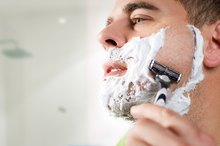
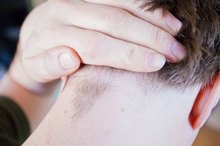
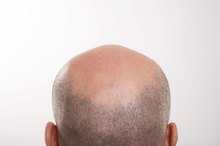
An ingrown hair occurs when a hair grows into the skin rather than protruding normally from the surface. Shaving, tweezing or waxing may predispose you to developing ingrown hairs. Ingrown hairs cause inflammation, leading to redness, itching and raised bumps corresponding to the affected hair follicles. Although anyone who removes their hair can get an ingrown hair, it is most common among individuals with curly hair, including young men of black and Hispanic descent.

Featured Videos

All About Ingrown Hairs

How to Get Pimple or Ingrown Hair Scars Away

Pimple and ingrown hairs are commonly found together on skin surfaces that you shave, such as a man's jaw or a women's bikini line. These skin blemishes do not always scar, however if they are frequent, untreated or aggravated ...

Ingrown Knee Hair

Ingrown hairs are hairs that grow underneath the outermost surface of the skin. They are often visible and may be unsightly. Ingrown hairs on the knee are often the result of shaving or tweezing hair around that area. People w...

How to Wax Ingrown Chest Hairs

Your chest hairs can become ingrown after you remove them by shaving or waxing. The hairs curl under the skin when they attempt to grow back, and this results in rash-like bumps known as pseudofolliculitis barbae, or more commo...

Care for Ingrown Leg Hair

Ingrown hairs develop when hair that is removed grows back into the skin. Most common with shaving and tweezing, ingrown hairs can develop from the use of depilatory creams and waxing as well. An ingrown hair leads to bumps tha...

Ingrown Chin Hair on Women

Facial hair growth on the chin can be bothersome enough to a woman, but having that hair be ingrown makes it that much worse. All women can have facial hair growth, but certain ethnic groups are more susceptible, according to B...

Shavers for Ingrown Hairs

Pseudofolliculitis barbae, commonly known as ingrown hairs, affect shaved areas of the body including the face, neck and armpits. MayoClinic.com says shaving hairs close to the skin surface causes the hair to curl and grow into...

How to Heal Infected Ingrown Hairs

Friction to the skin, from razors or tight clothing, can cause ingrown hairs. Staphylococcus, or staph, bacteria that naturally inhabit the skin can enter the irritated hair follicles and lead to infection. Mild cases result in...

How Do Ingrown Hairs Occur?

The intent of hair removal is to leave skin smooth. Occasionally, shaving, tweezing or waxing leaves red, painful bumps that can be uncomfortable and embarrassing. The bumps are ingrown hairs, or hairs that curl and regrow back...

Ingrown Hair on the Chest

Ingrown hairs can happen to just about anyone. They often turn into red, swollen, painful bumps that can be unsightly and unsanitary. Having an ingrown hair on your chest can be especially painful, considering the constant fric...

How to Clear Ingrown Hair Scarring

Ingrown hairs cause pain and inflammation as your hair follicle becomes blocked and irritated. As the hair refuses to grow outside of the follicle, infection also sets in. Treating ingrown hairs is as simple as removing the fre...

How to Draw Salve for Ingrown Hair

Ingrown hair occurs when the end of a hair works its way under the skin. Ingrown hairs are common in people with very curly hair, especially after shaving, as curly hair tends to double back on itself and the sharp ends may pie...

Ingrown Hairs & Acne

Ingrown hairs and acne, dermatological conditions that can affect many areas of the body, crop up on the body where hair is removed such as the face, legs and bikini area. Acne occurs on the face, and the bane of teenagers. Ove...

How to Draw Out an Ingrown Hair

Although ingrown hairs are most common in the beard area, they can occur anywhere on the body. Ingrown hairs can often be successfully extracted at home. See your physician if your ingrown hair doesn't clear up with home treat...

Ingrown Hairs and Pimples

If your skin is covered in small pimples immediately after shaving, they may be caused by ingrown hairs, according to MayoClinic.com. Ingrown hairs can occur on the skin anywhere you shave and may be itchy, painful and unsightl...

How to Identify an Ingrown Hair on Your Back

Ingrown hairs are annoying and unsightly. These result from a hair curling back into and growing into the skin. Ingrown hairs can look like other conditions initially, and vice versa. In fact, the College of William and Mary sa...

Ingrown Hair that Is Now a Bump

Shaving causes many instances of ingrown hairs or pseudo-folliculitis, but shaving isn't the only culprit. Anything which cuts or breaks body hairs slightly below the surface of the skin could trap the hair and trigger the cond...

How to Care for Ingrown Hairs on a Bald Head

If you shave your head, chances are you may experience ingrown hairs from time to time. This is especially true if your hair is course or curly. According to Mayo Clinic, ingrown hairs are simply shaved hairs that penetrate the...

Symptoms of an Infected Ingrown Hair

The area surrounding the ingrown hair will itch, become red and inflamed and--if left untreated--can result in a severe infection and scarring. People with thick, coarse hair are more likely to experience infected ingrown hairs.

Ingrown Hairs and Folliculitis

An ingrown hair occurs when you shave, wax or tweeze a hair and it re-grows inward beneath your skin, while folliculitis is an infection of your hair follicles. Ingrown hairs and folliculitis can occur anyplace on your body whe...

Review of Ingrown Hair Creams

Ingrown hairs are small hairs on the body that curl into the skin. You usually notice a red mark on the site and may experience pain or inflammation. The hairs are commonly found on face, neck and pubic area. Ingrown hair cream...

Ingrown Hair Problems

Any time that hair is removed from the body, there is a chance that an ingrown hair will form. This condition is most common in the beard area in men, which is called pseudofolliculitis barbae or razor bumps. However, it is als...

Ingrown Hair Inhibitors

An ingrown hair, as the name implies, is a hair that curls back into its follicle of origin as it grows, essentially growing beneath the surface of the skin. Ingrown hairs most commonly occur after shaving, which can sharpen th...

Nair & Ingrown Hair

Ingrown hairs area skin condition, especially among those that have naturally curly hair. Ingrown hairs occur most often when the hair is shaved or tweezed. Once a hair grows back into a follicle, inflammation often follows, re...

How to Relieve Ingrown Hairs

If your chin, legs or bikini areas are riddled with ingrown hairs, it may be because you may have very coarse or curly hairs, according to MayoClinic.com in the article "Ingrown Hair." Hair that is curly may curl back underneat...

How to Fix an Ingrown Hair in the Nose

An ingrown nose hair can occur at any time--whether you pluck or trim nose hairs. When your nose hair grows, it may curve around and pierce the skin or grow through the wall of the hair follicle. If either of these occurs, the ...

How to Pull Out Ingrown Hairs in the Chin

The chin is one of the most common areas for a man to get ingrown hairs, according to MayoClinic.com. The ingrown hair will cause a bump to form that may itch or hurt. When you notice an ingrown hair bump on your chin, your fir...

How to Use Tend Skin for Ingrown Hairs

Ingrown hairs typically occur after hair removal. When hair begins to grow back, it can get trapped under the skin and curl into itself, causing those pesky razor bumps. Instead of trying to squeeze the hairs free, which can ca...

How to Pluck Ingrown Hairs

When hair is cut or shaved near the surface of the skin, it may curl back toward and into the body and become ingrown. These ingrown hairs usually appear as red bumps and may be painful or itch. Black males and those with curly...

Painful Ingrown Hair

Pseudofolliculitis barbae---more commonly known as ingrown hairs or razor bumps---can be unsightly and uncomfortable. In severe cases, they can lead to several skin problems. People with curly hair are more prone to developing ...

How to Fix Ingrown Hairs

Ingrown hairs, or pseudofolliculitis barbae, affects nearly 60 percent of African-American men and other people who have curly hair, according to the American Osteopathic College of Dermatology, or AOCD. They're also often refe...

Ingrown Hair Bacteria

Staphylococcus aureus is the most common cause of ingrown hair infections. Commonly found on the surface of the skin, it infects the irritated hair follicle when scratching breaks the skin's surface. To prevent the condition, ...

How to Pull Out an Ingrown Hair

If you recently shaved your beard or legs and now you're left with a big, red bump, you most likely have an ingrown hair. Ingrown hairs may form after shaving, particularly if the hair is curly or thick. When the hair begins to...

Badly Infected Ingrown Hairs

Razor rash, razor bumps and ingrown hairs are common hazards associated with razor shaving among both men and women. According to MayoClinic.Com, changing your shaving techniques and using gentle exfoliation with a warm washclo...

Help With Ingrown Hairs

Ingrown hair is an unpleasant skin condition caused when a hair curls and the tip of the hair grows back into the skin. While ingrown hairs can occur anywhere on the body, they are most common in the beard area, and are most of...

Ingrown Hairs and Inflammation of the Skin

Ingrown hairs can happen to anyone, but they afflict black men and other individuals with very curly hair most frequently. Also called pseudofolliculitis, ingrown hairs lead to inflamed, irritated skin. While often a temporary ...

How to Tweeze Ingrown Hairs

When a hair shaft coils and starts growing back into your skin, the result is inflammation and skin irritation. Ingrown hairs can create skin bumps that are painful and embarrassing. Although anyone who shaves, tweezes, waxes o...

How to Dislodge Deep Ingrown Underarm Hair

An ingrown hair in the underarm area is painful because of the bump and irritation that occurs. It is caused by shaving, other hair removal methods, or friction from tight clothing. A deep ingrown hair, which is also known as a...

Ingrown Hair Folicles

An ingrown hair occurs when a recently removed hair grows back into the follicle. This condition, also called pseudofolliculitis barbae or razor bumps causes inflammation and discomfort on the skin. This occurs because the body...

Deep Ingrown Hairs

This is considered a deep ingrown hair, or embedded hair. Deep ingrown hairs are common in people who have curly hair.

Infected Ingrown Hairs

An ingrown hair occurs when a shaft of hair either fails to penetrate the follicle or re-enters the follicle, causing it to grow beneath the surface of the skin. As the ingrown hair grows, a noticeable bump develops, and the fo...

Tips for Ingrown Hairs at the Bikini Line

If you notice red, swollen bumps after shaving your bikini line, you have ingrown hairs. Ingrown hairs can occur on any skin you shave, but happen most often in areas where hair is curly or coarse, like at the bikini line, note...

Creams to Help With Ingrown Hair Bumps

If you notice red, irritated bumps after shaving you are suffering from ingrown hairs, says the Mayo Clinic. Ingrown hairs can occur anywhere you shave but happen most often if you are shaving coarse or curly hair. After the ha...

Ingrown Hair Follicles

Transfollicular penetration occurs when a hair begins to grow through the hair follicle instead of growing out of the hair follicle, states the Mayo Clinic. This condition is also known as an ingrown hair follicle. Unlike extra...

Ingrown Head Hairs

Sometimes after shaving the head, small bumps that resemble acne form on the scalp. These bumps, which may be painful and itchy, are usually the result of ingrown hairs. The ingrown hair may have a noticeable loop of hair that ...

How to Relieve Ingrown Hairs

An ingrown hair develops when the tip of the hair turns inward toward the skin. The Mayo Clinic points out that shaving and tweezing can increase the risk of developing this skin discomfort. Signs of an ingrown hair include the...

Razors & Ingrown Hairs

Every hair removal method carries a risk of ingrown hairs. However, Epigee.org states that razors are the most likely to cause ingrown hairs because they produce a blunt cut at or below the surface of the skin. Men are most lik...

Creams for Ingrown Hair

This causes irritation and inflammation, resulting in raised, red papules known as razor bumps. Ceasing hair removal is a sure way of combating ingrown hairs, but you may also see an improvement by using topical creams.

Symptoms of Ingrown Hairs

They are more common in areas where hair is removed or trimmed short, such as the legs, face and pubic area. The Mayo Clinic states that African American men are the most likely group to suffer from ingrown hair. These hairs us...

Ingrown Hairs After a Bikini Wax

Many women visit beauticians to receive regular bikini waxes, where a professional removes hair from the pubic region using warm wax. Waxing can lead to uncomfortable ingrown hairs. Ingrown hairs are not serious, but they can b...

Ingrown Hair in Private Areas

The private area, or bikini area, is a common site for ingrown hairs in women, according to MayoClinic.com. It is sometimes possible to treat or prevent these unsightly blemishes from occurring. However, most ingrown hairs, eve...

Ingrown Hair in Nose

An ingrown nostril hair occurs when nose hair is trimmed or tweezed. An ingrown nostril hair that grows curves back into the skin after being trimmed. This is considered an extrafollicular penetration, the Mayo Clinic says. An ...

Symptoms of Ingrown Hair

Ingrown hairs are hairs which curl and penetrate the skin, causing inflammation. According to the University of Virginia Health System, ingrown hairs most commonly occur on the face, and people with curly hair are more suscepti...

The Ingrown Hair on Your Scalp

An ingrown hair on your scalp is caused when the hair curves into the hair follicle or into the skin. This is most commonly caused by hair-removal methods, such as shaving, waxing or using depilatory products, which remove the ...

Ingrown Hair on Cheek

Ingrown cheek hairs are sometimes known as razor bumps or pseudofolliculitis barbae. This condition primarily affects men who are African American or Hispanic. According to the Mayo Clinic, ingrown hairs are most common in Afri...

Ingrown Genital Hair

The genital area is one of the most common areas for females to get ingrown hairs, according to the Mayo Clinic. Women with tightly curled hair, such as Hispanics and African Americans, are more likely to get ingrown hairs. For...

Ingrown Underarm Hair Symptoms

Ingrown hairs, also known as folliculitis, are a common problem for many people, especially those with coarse or curly hair. Ingrown hairs most commonly occur on areas of the body that are shaved or tweezed on a regular basis i...

Relief for Ingrown Hairs

Also known as razor bumps, ingrown hairs are basically hairs that grow into the skin. They're often caused by shaving, but hairs can also curl back and grow into the skin as a result of waxing, tweezing or even electrolysis. Th...

Razors & Ingrown Hair

Certain hair removal techniques are more likely to cause red bumps and ingrown hairs (pseudofolliculitis) on your skin than others. You can reduce your risk of this common cosmetic problem by shaving safely rather than closely.

What Do Ingrown Hairs Look Like?

It commonly occurs when a hair is shorn, tweezed or waxed, which results in a fragmented or sharpened hair just under the skin. As the hair grows, the tip reenters the surface of the skin, triggering an inflammatory response fr...

Ingrown Hair in the Armpit

The armpit is one of the most common places for women to get ingrown hairs, according to the Mayo Clinic. This condition is caused when hair that has been shaved, waxed or tweezed begins to curl around and grow through the skin...

The Best Razors for Ingrown Hairs

Ingrown hairs are a painful condition that is caused by shaving. They cause painful pimple-like bumps that may itch. Regardless of the type of razor you use to shave, you must ensure that the area is properly lubricated using p...

Symptoms of Ingrown Nose Hairs

Ingrown nose hairs are most common after you trim the nose hair. When nostril hair is trimmed, there isn't a sufficient and safe way to lubricate the area since you can't apply shaving cream and soak it in water. Without lubric...

Ingrown Hairs on Legs

Ingrown leg hair is caused by waxing, shaving or tweezing hair, so anyone who uses these methods to remove hair from her legs is susceptible to ingrown hairs. According to the Mayo Clinic, the leg is a common place for women to...

Ingrown Hair After Waxing

Waxing is a hair removal method that is preferred by some because the results are longer lasting than some other hair removal methods. However, there is a chance of ingrown hairs after waxing, as is the case with most hair remo...

Ingrown Hair Symptoms

Ingrown hairs are a common skin problem that occurs as freshly shaven or tweezed hairs bend and grow back into the skin. According to the Mayo Clinic ingrown hairs are more commonly experienced by black males, especially during...

Ingrown Hair on the Chin

When you remove facial hair using tweezing, waxing, shaving or electrolysis, you are at risk for developing ingrown hair. Because the chin is a readily visible area, ingrown hair on it may cause the sufferer to become self-cons...

How to Eliminate Ingrown Hair

Ingrown hairs occur when a shaved or tweezed hair grows back into the follicle instead of outwards. When the hair enters back into the follicle, the area becomes inflamed and irritated. People with naturally curly hair are more...

Ingrown Hairs Symptoms

Ingrown hairs occur when a hair doesn't follow the normal pathway from the hair follicle to the skin surface, but instead the free end of the hair embeds in the skin. According to the Mayo Clinic, black males between the ages o...

Ingrown Hair on the Face

Ingrown hairs on the face can affect anyone who shaves or uses other hair removal methods on the face. They are most common in African American men, most often affecting the facial area, states the University of Virginia Health...

Trapped Ingrown Hairs

Ingrown hairs are unsightly and irritating. Hair removal methods, including shaving, waxing and the use of depilatory creams, all contribute to trapped ingrown hairs, which occur when the new hair attempts to push its way out o...

How to Get Nice Smooth Legs Without Ingrown Hairs

For most women, shaving is a part of the daily routine, which can often be accompanied by itching, irritation and even ingrown hairs. This is because many women shave their legs incorrectly, which can cause the legs to become s...

How to Clear Up Ingrown Hairs

Ingrown hairs are caused by the ends of hairs becoming trapped underneath the skin, which then become infected and pus-filled. Because ingrown hairs closely resemble whiteheads and acne pustules, many people unknowingly try to ...

How to Reduce the Appearance of an Ingrown Hair

These unattractive red bumps, which often appear in conspicuous places such as the bikini line where hair grows out coarse and curly, are difficult to deal with if you simply wish to reduce their appearance. Until ingrown hairs...

How to Reduce Ingrown Hairs

But even the woman who waxes her legs and bikini line diligently and the man who strives for the closest shave can be prone to ingrown hairs. Ingrown hairs occur when closely cut follicles curl back into the skin

How to Eliminate Ingrown Hairs From the Neck

Ingrown hairs can occur anywhere on the body, but they are most often found on sensitive areas that are frequently shaved, like a man's neck. Additionally, hair that is coarse, thick and curly may be more likely to become ingro...

Help for Ingrown Hairs on the Face

Also known as pseudofolliculitis barbae or razor bumps, this inflammatory condition is typically a result of hair removal, such as shaving, tweezing or waxing. It most common in people with curly hair, but anyone can develop th...

Razors and Ingrown Hairs

Ingrown hairs can be a problem for anyone who shaves. Shaving can shear the hair to a length that causes it to curl under the skin. Once in this position, it can pierce the skin and produce a red bump. Almost anyone can develop...

Ingrown Hair on Legs

An ingrown hair develops when the tip of a hair becomes trapped beneath the skin's surface, resulting in a red painful bump. Ingrown hairs on the legs are often the result of shaving. According to the Mayo Clinic, the most comm...

Glycolic Acid & Ingrown Hair

Glycolic acid is the active ingredient in most skin peels and is used to treat a variety of skin conditions, such as ingrown hairs. An ingrown hair is a hair that grows back into your skin. Glycolic acid can treat ingrown hairs...

How to Fade Scars From Ingrown Hairs

Ingrown hairs can appear on the body anywhere that the hair gets trapped underneath the skin. Ingrown hairs occur most commonly in areas that are frequently shaved, waxed or constantly rubbed against clothing. The ingrown hairs...

How to Eliminate Ingrown Hairs

Symptoms include inflammation and irritation at the site. If you have curly hair, you are more prone to this condition. There are several at-home treatments you can use to eliminate ingrown hairs and prevent future occurrences....

How to Improve Ingrown Hairs

Ingrown hairs can appear anywhere on the body where there is hair. The condition is most common in people with very curly or coarse hair, such as Hispanics and African Americans. According to the Mayo Clinic, women most commonl...

Solution for Ingrown Hairs

Ingrown hairs generally don't pose a serious threat to your health, but they can be uncomfortable and aesthetically unpleasant. You can get ingrown hairs any time you shave, wax or tweeze the hair on your body. When the hair gr...

Ingrown Hairs

Ingrown hair follicles, also known as razor bumps, are literally hairs that grow back into the skin. The condition is medically harmless but is often uncomfortable, itchy and irritating for the sufferer. The medical term is ...

What Are Ingrown Hairs?

Ingrown hairs are a troublesome skin problem that results from a hair growing outward, then curling back into the skin. While they are most commonly experienced by men with facial hair or those with especially curly or coarse h...

How to Deal With Ingrown Hair

Ingrown hair is a condition that occurs when the hair grows back into the hair follicle after shaving. While the hair is clogging the follicle, redness, irritation and swelling is likely to occur. Individuals with curly hair ar...

How to Keep From Getting Ingrown Armpit Hair

Any area of the body that is shaved can be prone to developing ingrown hair. Since the armpits fall into this category, you may find ingrown hairs in this area. Ingrown hairs occur when, after the hair has been removed, it grow...

Safety Razors for Ingrown Hairs

Safety razors encased the shaving blade inside a housing, making it easier to get the correct angle for shaving. Modern disposable safety razors often wrap the blade in a fine wire to prevent it from cutting hair too closely. T...

How to Heal Ingrown Hairs

Ingrown hairs are a common problem shared by many individuals who use razors to shave. These occur when razor blades cut the hairs so that they are extremely sharp at the ends. These hairs occasionally curl back towards the ski...

How to Tell the Difference Between Ingrown Hairs & Herpes

Oral herpes causes lesions on the mouth or face; genital herpes causes lesions on the genitals, rectum, buttocks and thighs. Herpes lesions are commonly confused with other kinds of lesions, including insect bites, abrasions, r...

Signs & Symptoms of an Ingrown Hair

The American Academy of Dermatology characterizes an ingrown hair as any hair that curls back and grows into the skin. It's a common issue that often develops as a result of shaving. Shaving can leave the tip of the hair with a...

Ingrown Hairs & Beards

Ingrown hairs are very common and typically occur in the area of the skin where the beard grows. Ingrown hairs are simply follicles that curl into the skin as they grow, which in turn causes inflammation. But sometimes bacteria...

Ingrown Hair Care

Ingrown hairs are hairs that do not grow straight from the hair follicle. The bending of the hair follicle results in inflammation and pus filling the follicle. This can be a painful and recurring condition that requires treatm...

Bartholin's Cyst vs. Ingrown Hair

Two common causes of uncomfortable bumps or lumps in the female genital area are Bartholin's cysts and ingrown hairs. Although you should not rely on self-diagnosis alone when dealing with your gynecologic health, understanding...

How to Heal an Ingrown Hair in the Labia Area

Ingrown hairs often occur on the labia because of waxing, shaving and cream hair removal. The condition is a result of hair in the follicle growing at a sideways position and unable to break through the follicle. When left untr...

Ingrown Hairs on the Neck

Ingrown hairs on the neck are a common ailment, especially for those with naturally curly hair. Not only can ingrown hairs cause unwanted blemishes on your neck, they can also be painful. Understanding more about ingrown hairs ...

Ingrown Hair on the Scalp

With a little preparation and proper shaving technique, you can minimize the chances that you will develop ingrown hairs. Most ingrown hairs can be safely treated and removed at home.

Solutions for Ingrown Hair

Ingrown hairs are hairs that grow out a little, but wind back and pierce the skin. This causes redness, soreness and swelling at the site of the ingrown hair. Ingrown hairs commonly result from irritation to the hair shaft and ...

5 Things You Need to Know About Ingrown Hair Infections

In nearly all cases, the hair grows up from the follicle and through the skin normally, but sometimes a hair will curl in and grow back into the follicle, or sideways into the skin. This is an ingrown hair. Sometimes these hair...

5 Things You Need to Know About Ingrown Hairs

If you've ever experienced those pesky red bumps on the back of your thighs, underarms or neck soon after shaving, you're a victim of ingrown hairs. These painful pustules, also known as razor burn, can affect both men and wom...

5 Things You Need to Know About Popping Zits

Whiteheads occur under the same circumstances except that the follicle closes. As the trapped material pushes its way to the skin's surfaces, it creates a whitehead. Lesions on the other hand may be the beginning of whiteheads ...