Normal stool color varies from brown to green. Your stool color might change based on changes in your diet, although color changes sometimes indicate a serious condition. Because of this, see your doctor if the abnormal stool colors are ongoing,...
The color of your stool helps you determine the cause of your problem. When your stools are maroon or bright red, it usually means you have a lower gastrointestinal (GI) tract problem, which includes the large bowel and rectum. Sometimes there...
Bile, mucous and the colors of the foods you eat can all determine the color of your stool. Brown is considered normal, but if you eat a a diet high in leafy green vegetables or foods with green food coloring, your bowel movements may assume a...
The color of your bowel movements, or stools, can change every day, but normally it's some shade of brown. Mustard yellow or pale stools in adults may indicate certain health conditions or may be due to medication. Babies may have yellow stools,...
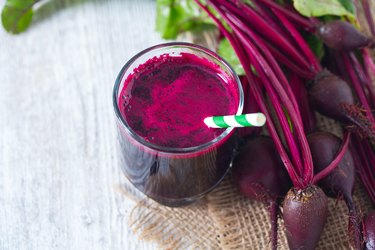
Foods and juices with strong colors can change your bowel movements to red. This particularly applies to children and weaning babies. Juiced tomatoes and vegetable juices that include ingredients such as beetroot cause a red tint. If you're not...
Although bathroom habits are typically a private matter, you might occasionally need to go public with your poop color. Typically, a healthy stool is brown and has a soft, formed consistency. When your stool turns bloody or black, it could...
Stool color can change daily. The color of your stool usually changes based on your diet, as well as by the amount of bile in your stool, according to MayoClinic.com gastroenterologist Dr. Michael F. Picco. However, yellow stool, also known as...
Because of the short time food spends in the digestive tract of a baby, your child's stools can come out in all sorts of colors, depending on what she has eaten, according to the Children's Hospital. However, some colors can be particularly...
Doctors prescribe growth hormones, such as the E. coli-derived somatropin, for children or adults who experience conditions such as Noonan syndrome, idiopathic short stature, growth hormone deficiency and chronic kidney disease. Such synthetic...
Heparin is a blood thinner that prevents the formation of blood clots, according to Medline Plus. In people who already have clots in blood vessels, this drug may be prescribed for preventing the clots from growing further. The medicine comes as a...
When taken as prescribed, side effects of the Super B Complex capsules are usually minor, according to Kaiser Permanente. This capsule contains the family of B vitamins, including thiamine, riboflavin, niacin, B6, B12, folic acid and pantothenic...
Illness is not fun for a baby or his parents. Parents may wonder whether it is safe to administer strong antibiotics to their baby, yet they do not want to let the child suffer unabated. A baby's relatively weak immune system may bring some...
Iron is more than an important mineral, it is an essential nutrient to support good health. Iron is needed to maintain the healthy development of red blood cells. The iron in your blood also carries oxygen throughout the body, which keeps you...
The human digestive system consists of a series of hollow organs that function to break down large particles of food into small molecules. The mouth, esophagus, stomach, small intestine, large intestine, rectum and anus form the complete digestive...
Anaphylactoid purpura also called henoch-schoenlein purpura is a condition that mainly affects children, and occurs when inflamed blood vessels leak causing blood to accumulate under the skin and creating a purple rash that resembles a bruise,...
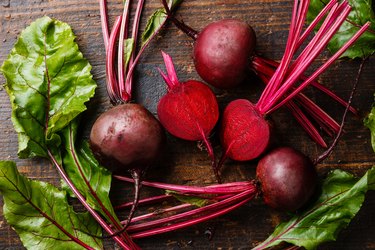
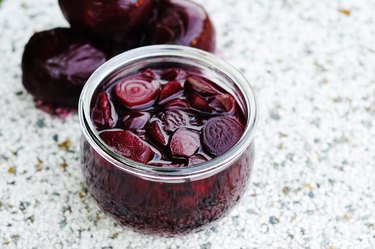
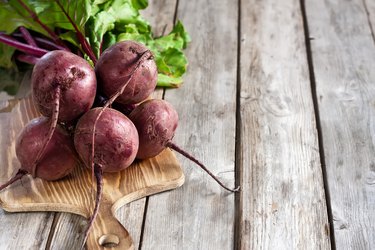
Beets are a popular winter vegetable and an excellent source of folate, manganese, potassium and antioxidants. The health-protective nutrients found in beets can help you optimize your health and fight chronic diseases. However, you may notice...
Fenugreek, or Trigonella foenum-graecum, is an herb that has been used as a medicinal remedy for centuries. Fenugreek is frequently used for gastrointestinal problems and is a common ingredient in natural breast enhancement products due to its...
While a change in a child's stool color can be alarming to parents, stool color discolorations are not always a sign of serious illness. To know how to handle a stool color that is anything other than brown or tan, parent must recognize which...
Doctors prescribe iron supplements for iron-deficiency anemia, which can develop when sufficient iron intake is not achieved through diet or with certain conditions such as heavy menstrual periods, pregnancy, Crohn's disease or kidney failure. A...
Bloody stools, medically known as hematochezia, is an alarming condition that can be a sign of a serious medical illness. These stools can actually be bright red or even black in color. Sometimes, the stool may be normal in appearance but contain...
A colon polyp is a growth on the surface of the colon. Though most small polyps tend to be benign, larger ones may be cancerous or pre-cancerous. Heredity, lifestyle and diet are believed to play a large role in the formation of polyps or growths...
Diarrhea is an unfortunate fact of life for babies and children at various times in their lives. The most common cause of diarrhea is viral gastroenteritis, also known as stomach flu, but diarrhea can also result from food poisoning, certain...
Bowel movements are your body's way of expelling waste products after your intestines remove water and nutrients from digested food. Both the color and consistency of your feces can provide information about your health and the foods you ate that...
Bloody stools are usually a sign of an injury or other problem in some part of the digestive tract. If this condition worsens when you eat foods containing lactose such as dairy products, it may be caused or aggravated by lactose intolerance. Only...
Ibuprofen is a commonly used over the counter medication used to treat pain and fever. Physicians often prescribe it in higher doses to treat more severe cases of pain such as arthritis and fibromyalgia. Patients should take this medication...
Blood in the stool is never normal. The symptom is known as hematochezia, which means the stools are red or maroon colored. Hematochezia should always be reported to a doctor, as it can indicate a serious health condition or injury. Blood can come...
The liver produces bile and stores it in the gallbladder. The gallbladder excretes the bile into the small intestine to assist in the digestive process. This bile is what gives stool its typical brown color. Any shade of brown is acceptable for...
Heparin works by decreasing the clotting ability of blood, thus preventing blood clots from forming. A physician usually prescribes heparin before or after surgery or during certain medical procedures. Along with its needed effects, heparin may...
When used with a balanced diet and exercise, fish oil has many health benefits, including the reduction of triglycerides that can cause heart disease at high levels, according to Drugs.com. Fish oil contains omega-3 polyunsaturated fatty acids...
GERD, or gastroesophageal reflux disease, is caused by acid washing up the esophagus. Diet can help control GERD. Learn more about what to eat if you suffer from GERD in this video.
Jaundice is a yellow discoloration of the skin and whites of the eyes due to an increase of bile pigments in the blood. Jaundice is often symptomatic of certain diseases, such as hepatitis. Learn about the different causes of, symptoms of, and...