Developing a boil can be a painful and embarrassing experience, depending on its location. Although diluted Castile soap may be effective at preventing the bacteria that cause some boils, MedlinePlus considers antibacterial soa...
Translucent soap is a mild bar soap designed to minimize skin irritation. Translucent soap is also sometimes called transparent soap. It is usually considered a safe alternative for those who react to the ingredients in opaque ...
Contact dermatitis is characterized by inflammation of the skin due to external skin contact with an irritating substance such as dish soap. Contact dermatitis is divided into two types: irritant contact dermatitis and allergic...
Health care workers and surgery patients who have skin reactions to surgical gloves and soap are usually allergic to the latex in the gloves and to the strong antibacterial agents used to make the soap. Skin irritations can ran...
Some people have allergic reactions, such as skin rashes, to soap powder. An allergy is hypersensitivity to one or more substances that the body’s immune system identifies as dangerous. Chemicals are the most likely culpr...
soap can contain harsh, drying chemicals that are irritating to someone with dry or sensitive skin, and it is possible to have an allergic reaction to it. A soap allergy typically presents as contact dermatitis. soap allergy sy...
Fragrances and hidden chemicals in your Soap can cause discomfort. Soap allergies can be especially bothersome because of the symptoms they produce. Unfortunately, allergies can come from a variety of sources, including pollen,...
Detergents and soaps contain a number of harsh chemicals to properly clean your hands, body and clothing. On your skin or in your clothes, these chemicals can cause non-allergic rashes, dry skin and hives and exacerbate pre-exi...
In 1948, the Dial corporation created a sensation with Dial soap, which eliminated body odor caused by the interaction of bacteria with the skin. Black soap, a product native to the sub-Sahara region of western Africa, also enj...
Supporters of tooth soap claim its natural composition is safer for human consumption and works just as well, if not better, than conventional toothpastes. Common recognizable ingredients in tooth soaps include coconut, palm an...
Washing up with an exfoliating soap helps rub away dead skin cells, preventing acne-causing pore blockage and revealing younger skin beneath. Oatmeal is a natural exfoliant that's gentle enough to use on your face, and dried la...
William Lever started making Soap in 1884 with his Sunlight Soap. The first Lux Soap was introduced in 1925. It was produced by Lever Brothers and started as bargain brand toilet Soap. Some of the world's sexiest women have bee...
The one ingredient missing in Aveeno soap is soap. In fact, Aveeno calls its signature cleanser a moisturizing bar --- not a bar of soap. Instead of soap, Aveeno uses natural colloidal oatmeal as its key ingredient. The oatmeal...
...cademy of Dermatology instructs you to wash your face gently, one to two times a day with a gentle cleanser and lukewarm water. There isn't enough medical evidence backing up the claims that pine tar soap can fight skin dise...
Antibacterial soaps and lotions are here to stay, even though experts are concerned about their widespread use. Although there are situations in which soap and water are the logical choice, sometimes the convenience of an antib...
Waterless hand soap is commonly referred to as hand sanitizer. Hand sanitizers are lotions or gels that you use to disinfect your hands when hand-washing isn't an option. Hand sanitizers usually contain either alcohol or an ant...
African Black soap is also known as Anago soap, Alata Simena,or Ose Dudu. It's traditionally been used to cleanse and treat all manner of skin problems. However, its effectiveness can vary depending on the type of soap and its ...
Black soap is a soap from Africa made with all-natural ingredients that claims to benefit the skin. This variety of soap is created by burning plant leaves and skins and using the ashes to create the black hue true to its name....
Antibacterial hand soaps and cleaners make it easy and fast to kill germs. Antibacterial instant hand sanitizers help in environments and situations where it may be difficult to get to a sink to wash your hands. Antibacterial c...
...ve difficulty finding products that care for their dry, sensitive skin without irritating it or provoking an outbreak. Part of the challenge stems from the multitude of ingredients in most commercial soaps, cleansers and cos...
Many people think of lye soap as a harsh homemade cleanser, but users often find that simple lye soaps irritate the skin less than modern detergents and bath bars. Saponification--a chemical reaction between lye and fats--creat...
Commonly used in African countries, black soap is now widely available in the United States, thanks to online ordering. This soap is made by hand and often comes from west African countries, like Ghana. The soap's unusual smell...
Traditionally used in Africa, black soap is gaining in popularity in the United States. Many people are attracted to the product because it cleans well without irritating sensitive skin. While some varieties are sold with artif...
Black soap looks, feels and smells different from the soaps we're used to in the United States. These soaps tend to be softer in texture and have an earthy smell. Their dark color results from being made with ashes from plants,...
Though it may look a bit strange, black soap is just as clean as the white and light-colored soaps common in the U.S. and Europe. In fact, this type of soap has been used in African countries for centuries. Black soap has been ...
Allergic reactions are the result of inflammation or irritation of parts of the body. Sometimes people may have an allergic reaction to soap, which typically only affects the skin. Although soap allergies rarely cause any serio...
Clearly Natural is a line of soaps and other body products that are biodegradable and cruelty free. Many consumers prefer to use products that avoid animal products and harsh chemicals, but even when a product claims to be safe...
...r is well known for its pungent odor, but it has many practical uses. Sulfur is used in black gunpowder, matches and insecticide. Sulfur is also used in a variety of skin and hair products -- such as soap, shampoo, lotions a...
African black soap, also referred to as black soap, is made from harvested and air-dried plantain skins, palm leaves, cocoa pod powder, and various oils and butters; coconut oil, Shea butter, cocoa butter and kernel oil. The pl...
Irish Spring bar soap is produced by the Colgate-Palmolive company. The soap is available in several scents, and comes packed in an environmentally friendly, 35-percent post-consumer recycled paperboard carton.
Soap suds enemas are used to promote the emptying of the bowels to relieve constipation or to clean the lower colon. Soap solutions are mixed and then administered via an enema bag or bottle. You can make this mixture ahead of ...
Soap has not always contained the long list of ingredients found in today's products. Soap formulations have been known since at least the second century, when Soaps were made from only two ingredients--a fatty acid source and ...
Hand washing is important to prevent disease. Many consumers purchase antibacterial soaps thinking that these products will be more effective than regular soap. However, this is not necessarily the case, according to a 2007 stu...
Before the advent of microbial agents used in soaps, lotions and other consumer products, hand soap was nothing more than bar soap made with oil, water and lye. Today, antimicrobial soaps are ubiquitous in the marketplace and a...
Irish Spring is a personal care brand that offers bath and body products. Irish Spring bar soap with aloe is formulated to help skin retain its natural moisture balance while providing deodorant protection.
When you are swimming, the last thing you want to come into contact with your skin are long leaves of seaweed. Ironically, seaweed soap works very well for cleaning the body and revitalizing the skin. While seaweed is best know...
...Food and Drug Administration for use in skincare products. Due to its cleansing, moisturizing, and soothing qualities, colloidal oatmeal, which is finely milled oat powder, is often made into oatmeal soap.
All hand-made soap is glycerin soap, because the chemical process that occurs when you combine lye with oil results in soap and glycerin. Commercial manufacturers of soap go through an additional process to remove the glycerin ...
Soap Lake, in central Washington, was once a healing mecca of the Pacific Northwest. Visitors flocked to the region to benefit from the healing properties that were attributed to the minerals in the lake's water and mud. Today ...
Made from olive oil, Castile soap is an ingredient in many skincare products, including liquid soaps used to wash the face and body. Consider using a non-soap face cleanser, glycerin or other vegetable or nut oils. For example,...
African black soap is created and used throughout West Africa to cleanse and nourish the skin. It has become so popular that people use it all over the world for its purported skin benefits. African black soap is made from ingr...
Black soap is a natural soap product originally created by the inhabitants of West Africa. Including ingredients as diverse as shea butter, coconut oil, palm kernel oil and the ashes of banana leaves, palm leaves and tree bark,...
Coconut oil is the basis of many kinds of soap. It makes soap harder, so the bars last longer, and it makes large bubbles and a rich lather. It is combined with other oils that contribute their own qualities to make a rich luxu...
All soaps require a saponification process, which is theprocess of blending lye and fat under certain conditions. Hypoallergenic soaps contain minuscule amounts of chemicals, fragrances, colorings or other additives that may p...
Manufactured soaps and other cleaning products contain many chemicals that often wind up in the environment with harmful consequences. Making your own bath soap is easy, and you wind up with a lovely product without having to u...
Grating and melting glycerin soap is called rebatching. You can use commercial bars of glycerin soap, but you will find it easier and more successful to use glycerin melt-and-pour soaps available online from many sellers of soa...
...efers to any type of discomfort in the skin, such as itching or burning. Irritation usually develops in response to an external trigger, such as extreme temperatures or sensitivities to a particular soap or detergent. In p...
soap making is a skill developed in colonial times. soap was produced by boiling together wood ash, lye and fats. This type of soap production is still used today, and is referred to as cold process soap. Many people prefer a s...
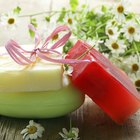
A melt-and-pour soap bar is a pre-made block of soap containing high levels of glycerin. Glycerin is the component of soap that softens the skin. It attracts moisture from the air, therefore you should not leave a glycerin soap...
...und. The result is a slow but environmentally safe waste disposal method. Septic systems require special maintenance. For instance, toilet paper can be used, but some flush-able wipes cannot. Grease, soaps and cooking scraps...
While mass-produced glycerin soap is easy to purchase, it lacks quite a bit in the charm department. Not only are commercial soaps square and boring, they often contain extra ingredients you can't pronounce and the options for ...
soap isn't necessary for a clean body. In fact, most of the products we use today aren't soaps at all, but detergents, according to the U.S. Food and Drug Administration. True soap is made from an alkali and fat and doesn't cle...
Castile soap is a very mild soap composed primarily or entirely of olive oil. The soap takes its name from the former kingdom of Castilla in Spain and is sometimes known as "Castille soap," or "Jabón de Castilla," based ...
Lanovera is a line of natural soap products manufactured by an Australian company called Concept Amenities. The soaps are designed for and marketed to hotels and spas, although it is possibly to buy them from a few online retai...
... and potentially even cause permanent scars. However, it's possible to treat mild acne yourself with the help of over-the-counter products. If you choose this option, you might wind up trying sulphur soap.
Glycerin is popular for use in soap because its humectant properties help bring moisture to your skin. If you make your own glycerin soap, you can control its scent, color and texture and ensure that it is nonirritating to your...
You may think skin care starts after you bathe, but if you choose milk soap you can care for your skin while you bathe. There's a long history of using milk-based soaps for skin care. In fact, TLC Farms notes that milk products...
For more than 100 years, people have used coal tar soap for cleansing and to treat skin conditions. The coal tar extract in these soaps has a beneficial effect on acne, head lice, psoriasis, scabies, eczema, ringworm and other ...
Castile soap is a completely vegetable-based soap with origins in Spain, particularly in the Castile region. Pure versions of Castile soap are ecologically friendly. It has a variety of uses for both personal hygiene and cleani...
...ng hands clean is one of the most important steps you can take to avoid getting sick and spreading germs to others. Proper hand-washing can stop 99 percent of germs from spreading. Antibacterial hand soaps can kill more germ...
Fels-Naptha is a bar soap that has been used to remove stains from laundry for over a hundred years. It is still available on the market, usually next to laundry soap and stain removers.
Wright's Coal Tar soap is an antiseptic soap that was first produced commercially in England in the mid-1860s. According to Grace's Guide, a site that recounts the history of prominent British industries, the original Wright's ...
Oatmeal is more than a healthy cereal grain and breakfast food. The oats offer some beauty advantages as well. Used as an ingredient in soap, oatmeal has several benefits for skincare. While oats have been used for centuries as...
Considered a luxury soap, triple milled soap is a high-quality soap that is often featured in gift baskets that contain toiletry assortments and are offered as a complimentary amenity for hotel guests. Triple milled soaps are u...
Castile soap, originating in the Kingdom of Castilla in the country we now call Spain, is derived from olive oil. It contains oleic acid that works as a natural humectant and skin regenerator and is commonly used to make homema...
It's a pleasure to make soap, use it and give it to others. For many people, soap-making is a satisfying creative process. If you make your own yogurt, sour dough starter, bread, lotions and creams, soap making is a natural ste...
Biodegradable soap usually has no phosphate and is made up of biodegradable surfactants. Surfactants have many uses; some are cleansers and detergents, while all glide across the skin’s surface to create a uniform coverag...
Whether you want to provide good-quality soap for your family and friends or create a small business, soap making is a fun hobby. Natural soap is made with lye and fat or oil. Not everyone wants to deal with using lye, which is...
Bath soap is typically made up of moisturizers and cleansing agents that work together to soften skin and clean it. Depending on the brand, there can be more cleansing agents than moisturizers or vice versa. Checking the indivi...
It's important to be clear about Soap making. Soap is made from lye and fat or oils. No lye, no Soap. It's a chemical process that combines the ingredients to form Soap and glycerine. Properly made, there is no ly...
No one knows the origin of Soap making. It may have begun when practitioners of ancient religions made animal sacrifices, burned the sacrifice with hard woods and washed the area with water. Soap was originally made with the ...
Castile soap is a natural liquid or hard soap made from vegetable oils. The first Castile soaps were made with the local olive oil and contained no tallow, or rendered animal fats, like most contemporary soaps. Today, Castile s...
Herbal soaps can be handmade by hobby crafters or lifelong artisans, and commercially available herbal soaps line the shelves of supermarkets. While herbal soaps are similar to other soaps in their base ingredients, the additiv...
In contemporary terms, “castile soap” refers to any vegetable oil-based soap, although you should to check labels carefully to ensure that there are no artificial or petroleum-based additives. The original castile s...
Lever is a deodorant soap made by Unilever Global, a company that also makes the Dove line of soaps. The Lever 2000 soaps contain lipid, or fat, petrolatum and glycerin ingredients to provide the skin with extra moisture. There...
Soap is essential for removing oil, bacteria, makeup and dirt and keeping your pores unclogged. In fact, washing your face with just water removes only about 65 percent of oil and dirt, according to the Canadian Edition of Skin...
...ime, to ancient Egypt, India, and China. Known for thousands of years for its numerous mind and body benefits, sandalwood continues to be used throughout the world in many forms, including sandalwood soap. In addition to the...
Making soap at home allows you the comfort and knowledge of hand-selecting ingredients that will be used on your body. Eco-conscious individuals, those with sensitivities to chemicals or those wishing to get crafty find making ...
Emmanuel Bronner, a soapmaker from Germany, came to America in 1929 and began selling Dr. Bronner's Magic soap in 1948. The liquid soap, made with vegetable oils, stood out because Dr. Bronner plastered the bottle with his uniq...
Sulfur soap is a type of body wash that has numerous health benefits. These benefits can range from treating skin disorders to simply cleaning your body efficiently. Sulfur soap is available in shampoos, lotions, ointments, soa...
...ought-resistant, it is planted in numbers to restore regions impacted by deforestation. Neem is also an antagonist against various pathogens that affect human health, which is why it’s added to soap.
Using the proper soap for acne skin care is important. Acne is not caused by dirty skin or surface oil so there is no need to use harsh soap, according to the American Academy of Dermatology. Select a gentle soap that is intend...
The active ingredient in soap is what distinguishes one type from another. Antimicrobial, also called antibacterial, soaps are no exception, including active ingredients designed to kill germs as well as clean your skin. The U....
Soap plays an important role in today's society, especially when it comes to getting clean. Soap-making has evolved into a lucrative industry that caters to many different skin types and problems, including dry skin, oily skin,...
Dial soap has been around since the 1940s. According to the Dial website, the deodorant soap was born after chemists discovered that bacteria on the skin caused perspiration odor. They developed an antibacterial ingredient and ...
Traditional mass-produced soap generally uses tallow or lye instead of glycerin as a cleaning agent, reports PioneerThinking.com. Glycerin soap can be purchased at many health food stores, from independent soap makers or in som...
Black soap is an ancient cosmetic cleansing product from West Africa. It's made from the leaves of various plants and tree barks. Oils such as shea butter, palm oil and cocoa butter are added, and the mixture is hand blended by...
When they decided to use olive oil, early soap makers in the Castila region of Spain created a method of producing soap that still is considered the finest of all soap formulations. Unlike other recipes that produced harsh soap...
Dial Liquid Hand soap Gold is a liquid soap composition designed to both remove dirt and kill a broad spectrum of bacteria. The formula contains cleansers and fragrances that are gentle but effective on skin. It comes in a pump...
The first soaps were from the sap of plants that people called soap plant and soapberry. They later learned to make soap by combining fats with ashes, which are highly alkaline. The resulting chemical reaction produced stearate...
...in cells and excess sebum, or oil, that block the pores. Bacterial overgrowth on the skin further exacerbates the situation, causing unsightly flareups. Cleansing the skin with an unscented medicated soap that contains bacte...
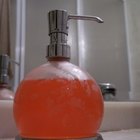
Pink lotion hand soap is a common soap product that's marketed as an affordable alternative to expensive bar and lotion soaps. It is sold in large quantities by office and janitorial supply companies. It produces abundant lath...
...ch is used in candy canes and ice cream. Peppermint leaves are used in cold-relieving tea in winter and heat-relieving mint juleps in summer. Peppermint is also a popular component of bar and liquid soaps, lending its invig...
Black soap hails from West Africa and is quite popular due to its powerful effects on the skin. It is known by many names, including "ose dudu," a name used by the Yoruba people of western Nigeria that literally means "black so...
Grandpa brand pine tar soap has a rich history. Manufactured by C.S. Dent and Company beginning in 1878 from a family recipe, Grandpa's pine tar soap has been used as a cleanser, shampoo, detergent and treatment for a variety o...
Black soap from Africa is also known as ose dudu and anago soap. It is made from the combination of burnt leaves of plantain and palm as well as banana bark, cocoa pods and shea butter. All ingredients are burned in a pot, and ...
Most soap contains synthetic ingredients such as fragrances, colors and stabilizers. With the exception of lye, organic soap contains no synthetic ingredients. It is available in a wide variety of scents and colors, and there i...
Colloidal oatmeal, or Avena sativa L., is a common ingredient in skin and bath products due to its exfoliating, soothing and moisturizing properties. If you do not want to purchase pre-made soap, you can make your own by meltin...
The ingredients in liquid soap serve a specific purpose, whether to improve the function of the soap or just its appearance. If you have allergies or want to live a more "green" or natural lifestyle, you should know the ingredi...
Castile soap is a natural, mild soap generally containing both olive oil and sodium hydroxide, or lye, among other natural ingredients. Because of its gentleness and freedom from additives and artificial ingredients---as well a...
Charcoal and soap---two words that don't seem to go together. Yet in recent years, activated charcoal---a specially processed form of carbon---has increasingly been used in natural soaps and cleansers. Charcoal, it's said, draw...
Castile soap originated from the Castile region of Spain. One of the first hard, white soaps, castile soap's high quality made it popular throughout Europe. It continues to be replicated throughout the world and utilizes the sa...
Castile soap originated in Spain, though the name came to refer to any hard, white, olive-oil based soap. Castile is a mild, emoliant soap that has been used for everything from bathing to washing hair and teeth and cleaning th...
...earmint, says Simon Mills in his book "The Dictionary of Modern Herbalism." It growns in all parts of the world and has smooth and often purple leaves and purple labiate flowers. It is widely used in soap making due to its a...
soap is used to wash the face and body daily, thus it inherently contains ingredients that users expect to be cleansing and nourishing for the skin. However, what many consumers do not know is that most brands of soap contain a...
Whether purely utilitarian or full of fragrance and coloring, hand and bath soaps are abundant, and people usually select one based on personal preference rather than health or safety. For people with sensitive skin or allergie...
Herbal Essences bills its body wash products as a good way to cleanse while moisturizing the skin. The product information emphasizes the soap's mallow flower, vitamin E and aloe vera and advises users that its ingredients come...
Lavender is a healing herb that has been used for centuries to make soaps, teas and sachets. The essential oil of lavender is the ingredient used to make soaps, since it contains all the herb's volatile and aromatic oils. Somet...
Castile soap is a gentle cleanser that traditionally consists of only soap, glycerin and water--the result of the saponification process, according to castile soap makers Dr. Bronner's. Castile soap devotees use it not only as ...
Shea butter soap and olive oil soap both offer all-natural forms of moisturizing the body. In addition, both products are derived from plants and are rich in nutrients with beneficial qualities. However, olive oil and shea butt...
African black soap, sometimes called Ose Dudu or Dudun-Ose, is made by hand from the ashes of a number of plants including plantain leaves and cocoa pods, which are mixed with various oils, such as cocoa butter and shea butter ...
Identifying soap as being glycerin or lye soap can be misleading--in the production of lye soap, the lye--a caustic sodium product--is cooked out of the finished bar of soap. Lye is combined with lard and water to produce a soa...
...rin is a thick and transparent liquid naturally found in animal fats. It is a solvent and can easily dissolve into water, and when frozen it turns into a paste. It is often found in many types of bar soaps that are made with...
Glycerin soap is soap in which the glycerin isn't removed during the manufacturing process. The combination of fat and lye makes two products: soap and glycerin. At one point, they were inseparable, and not considered two disti...
Oatmeal is a healthy food to eat, but it also offers many benefits for the skin. While the oatmeal provides basic benefits, you can also look for--or make--your own soap, adding additional ingredients for any particular conditi...
Soap cleans hands by encapsulating dirt, oil or grease in a miniature bubble called a micelle. Soap molecules are both hydrophilic (water-attracting) and hydrophobic (water repelling), which allows the micelles to form. World o...
soaps vary a great deal in terms of their ingredients. For example, while some soaps make your skin dry, other soaps are very moisturizing. Glycerin soaps are considered to be one of the most moisturizing types of soap. The uni...
...g acne. A clean face is free of oil and excess skin cells that can clog your pores and cause acne. A fresh face is also the foundation for other acne treatments, lotions and makeup. Finding the right soap for acne is based o...
Archeological evidence dates Soap-making as far back as 2,800 B.C., according to the Soap and Detergent Association. Ancient Egyptians bathed regularly using a Soap-like material made by combining animal and vegetable oils with...
Treating acne effectively involves cleansing the skin properly using a soap that helps to kill acne-causing bacteria and microbes. While there are many acne soaps in supermarkets and department stores, they can often contain ad...
Black Soap goes by many names, including African Black Soap, Anago Soap, Alata Simena as well as Ose Dudu. It is generally sold in cake form, and it is thought to have many benefits to skin. Black Soap can be difficult to locat...
Not all body soaps work for everyone. If you have acne-prone skin, using a soap intended for normal skin will not help you. On the other hand, acne soaps may be too harsh for dry, sensitive skin. Try a variety of dermatologist-...
Making your own glycerin soap is simple and cost effective. They are more natural than most commercially produced soaps. Glycerin is made up of a naturally occurring biochemical compounds that is a component of oils and fats. I...
Glycerine is available in crystal-clear blocks that can be used to create handcrafted soap. Color and fragrance may be added to the glycerine during the soap-making process, or the glycerin can be left pure for beautifully clea...
Making handmade soaps enables you to add in special ingredients in order to treat conditions on your skin, such as acne and pimples. By adding in tea tree oil to the soap mixture, you can create an effective acne-fighting soap....
More people each day are becoming interested in creating homemade beauty recipes, especially after news reports about harmful chemicals in commercial products as reported in a 2008 study by the Environmental Working Group, summ...
Glycerin soap has been hailed for centuries for its moisturizing properties. You can make beautiful glycerin soaps at home for a fraction of department store prices. Start by mastering this basic glycerin soap recipe, and then ...
Whether you are relaxing in a luxurious bathtub or soothing your tired muscles in a vigorous shower, it is likely that you will also lather up with your favorite soap. The lathering process is simple, and is dependent on severa...
A soap molecule is a hydrocarbon with a carboxyl group (COO-) on one end. The carboxyl group consists of a carbon atom attached to an oxygen atom with a double bond. The carbon atom is attached to the other oxygen atom with a s...
Glycerin soaps are commercially available, or you can make them at home. Glycerin soap is translucent, unless color is added. Optional ingredients add scent, nutrients, color and texture. Glycerin soap is advocated as a cleanse...
soaps made from lye are very common and relatively easy to make. While lye soap has been used and appreciated throughout history, it has also gained a reputation as sometimes being harsh and irritating to the skin. For this rea...
...c health experts to our mothers, it seems that everyone is telling us to wash our hands. Hand washing is one of the best deterrents to the spread of illness. To remove dirt and germs from our bodies, soap relies on the same ...
Black soap, also called alata samina or anago samina, is a traditional handcrafted West African soap. The soap contains roasted plantain skins, bark from the silk cotton tree water, according to the Journal of African Society. ...
African black soap originated in Ghana and other parts of West Africa and is believed to help relieve acne and oily skin, as well as inflammatory conditions like eczema. Africans use this soap for general bathing, as a shampoo ...
Scented soaps are a wonderful treat because they make the entire bathroom smell beautiful and turn a regular shower, or bath, into a spa experience. Scented soaps have a variety of fragrance options, from classic and relaxing l...
Glycerin is a natural byproduct of the soap-making process. All soap initially contains glycerin but commercial soap makers often remove the glycerin and replace it with other softening agents. Glycerin removal requires an indu...