If you have high blood pressure, your doctor may have advised you to cut back on sodium and start the DASH diet, which stands for Dietary Approaches to Stop Hypertension.
High blood pressure — readings higher than 130/80 — is referred to as the silent killer, often responsible for strokes and heart attacks. If your readings are high, you join the one in three Americans with this condition, according to the National Institutes of Health.
Video of the Day
Video of the Day
The good news is that the DASH diet has been proven to help. Here's everything you need to know about the eating style, including the pros and cons, how it works and a sample meal plan.
What Is the DASH Diet?
The DASH diet emphasizes meals rich in fruits, vegetables, whole grains, legumes, nuts, seeds, low-fat dairy and lean proteins while also cutting back on salt and processed goods, per the Cleveland Clinic.
The concept was born in April 1997 when researchers studied over 400 individuals with high blood pressure and found that the eating plan could substantially lower blood pressure, according to the New England Journal of Medicine.
Similar studies over the years have consistently shown the same results, including an April 2020 meta-analysis in The BMJ that reviewed 121 randomized trials and found DASH was among the most effective diets for reducing blood pressure over six months (although the effects leveled off after about a year).
How Does the DASH Diet Work?
We all know that a diet rich in fruits and vegetables is good for us, but why does this work so well against hypertension? It's actually the combination of foods in the diet that work together to bring blood pressure down, per the Cleveland Clinic.
A key component, though, is cutting down on sodium, which can be found in abundance in processed foods.
And in fact, most of us are getting too much — the average U.S. adult's intake of sodium is over 3,600 milligrams per day, according to December 2017 research in the American Journal of Preventive Medicine, which is well above the American Heart Association (AHA)'s recommended daily limit of 2,300 milligrams (about 1 teaspoon).
Potassium is the next major benefit to this diet. According to the AHA, potassium helps your body release sodium and can lessen the tension on your blood vessels — both of which give your body a break from rising blood pressure.
Potential Benefits of the DASH Diet
Besides supplying you with plenty of nutrients from whole foods, DASH diet benefits include:
1. It Can Lower Blood Pressure
Research suggests that following the DASH diet can lower your blood pressure, whether or not you have hypertension to begin with, according to a December 2014 review in Nutrition, Metabolism & Cardiovascular Diseases.
The review found that the diet reduced systolic blood pressure (that's the top number) by 6.74 mmHg and and diastolic blood pressure (the bottom number) by 3.54 mmHg on average, with a potentially greater decrease in blood pressure for people who have hypertension.
What's more, a July 2020 review in the Journal of Hypertension compared an array of plant-forward diets (including the Mediterranean diet and vegan diet) and found that the DASH diet was linked to the greatest reductions in blood pressure.
2. It May Support Weight Loss
The DASH diet prioritizes fruits and vegetables while decreasing salt intake from processed foods, all of which can contribute to weight loss, per the Cleveland Clinic.
In fact, The BMJ research found that DASH was one of the most effective popular diets for weight loss, with people losing an average of about eight pounds while following the eating plan.
This is especially true if you follow the diet while creating a daily calorie deficit (where you burn more calories than you take in), according to the Cleveland Clinic.
3. It Can Lower Blood Sugar and Cholesterol
The National Center for Biotechnology Information also indicates that the DASH diet can help you control your blood sugar and lower bad cholesterol and triglycerides.
4. It May Lower Your Risk for Certain Diseases
Sticking to the DASH diet may also benefit your long-term wellbeing. That's because lowering your blood pressure, cholesterol and triglycerides can promote heart health, according to Harvard Health Publishing, which can lower your risk for conditions like:
- Heart disease
- Congestive heart failure
- Stroke
Per the Cleveland Clinic, eating the DASH way may also lower your risk for developing other conditions, including:
- Breast cancer
- Colorectal cancer
- Metabolic syndrome, which raises your risk for type 2 diabetes
5. You Don't Have to Follow It Perfectly
As a bonus, you don't have to follow the eating plan to the letter to reap some of the benefits of the DASH diet, per the Cleveland Clinic. This flexibility may make the diet more sustainable in the long run.
Risks of the DASH Diet
For the majority of those with high blood pressure, the DASH diet is a safe eating plan that may help improve health. But there are some drawbacks to keep in mind, including:
1. It May Not Be Safe if You Have Kidney Problems
If you have any kidney issues, the high amounts of potassium in this diet may not be appropriate for you, according to the National Kidney Foundation.
So if you have chronic kidney disease and are interested in this eating style, talk to your doctor before giving it a try to make sure it's safe for you.
2. It May Cause (Temporary) Digestive Symptoms
A DASH diet menu is typically full of nutritious, fibrous foods like fruits, vegetables and whole grains. Overall, this is a good thing — the benefits of fiber include more normal bowel movements and healthy gut functioning, per the Mayo Clinic.
But if you're new to a high-fiber eating plan, you may experience digestive symptoms at first while your body adjusts, according to Harvard Health Publishing. Luckily, you can prevent this problem by adding in fibrous foods little by little to ease into it.
Tip
Talk to your doctor or a registered dietitian, who can help you find the diet plan that works best for your needs.
What to Eat on the DASH Diet
The DASH diet encourages eating mostly fruits and vegetables, nuts, lean proteins, low-fat dairy and whole grains, according to the Cleveland Clinic. Beyond that, followers are told to keep their daily sodium intake below 2,300 milligrams.
Processed foods — frozen meals, chips, crackers and other snack foods — often contain a significant amount of sodium, per the Cleveland Clinic, so it's best to stay away from most of these foods or at least make sure you're reading nutrition labels with a careful eye.
Here are the foods to include in your DASH diet meal plan, including how many servings to aim for based on a 2,000-calorie daily diet, per the National Heart Lung and Blood Institute (NHLBI).
Fruits and Vegetables (4 to 5 Servings Each Per Day)
A diet rich in fruits and veggies may protect heart health, according to a May 2020 study in the Annals of Internal Medicine, which noted the DASH diet specifically as an effective eating pattern.
Opt for fresh or frozen veggies and fruit whenever possible, as these tend to have the highest nutrient content.
Canned produce works, too, if you're in a pinch, but keep in mind that it sometimes has less-than-nutritious additives, so be sure to look for "no added salt" and "no added sugar" on the label, per the Cleveland Clinic.
And because the DASH diet is heavy on fruit and vegetables, try your hardest to get the NHLBI-recommended five servings of each every day, including produce like:
- Avocados
- Bananas
- Tomatoes
- Greens/spinach
- Cantaloupe
- Potatoes
- Oranges
- Mushrooms
Whole Grains (6 to 8 Servings Per Day)
Get enough fiber and other nutrients by eating plenty of whole grains, per Harvard Health Publishing, such as:
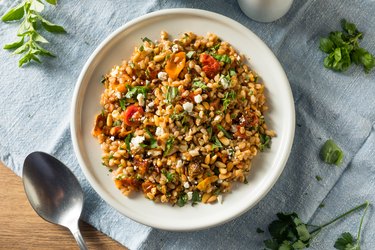
- Barley
- Brown rice
- Buckwheat
- Bulgur
- Millet
- Whole-wheat bread and pasta
- Oatmeal
- Popcorn
Unsalted Nuts/Seeds/Legumes (4 to 5 Servings Per Week)
You should aim to eat nuts, seeds and legumes (unsalted or lightly salted) four to five times per week, according to the NHLBI, including:
- Almonds
- Peanuts
- Walnuts
- Lentils like beans, peas and lentils
- Flaxseed
Keep in mind, though, that certain types of nuts and seeds are higher in fat and calories than others, so if you're trying to limit calorie or fat intake, make sure to compare nutrition labels.
And make sure canned goods don't contain added sodium, per the Cleveland Clinic. Take, for instance, beans: Buying dried beans is ideal, but they can be time-consuming to cook. So when choosing canned beans, always grab the low-sodium version and rinse them before eating to knock the salt content down further.
Lean Proteins (6 or Less Servings Per Day)
Limit your saturated fat intake to no more than 10 percent of your daily calories, as recommended by the NHLBI. Cutting back on red meat is a great idea, and instead prioritize these sources of lean protein:
- Chicken breast
- Lean pork
- Fish
- Turkey Breast
The Rest of Your Diet
Here are other recommendations to consider:
- Choose low-fat dairy to keep your saturated fat down, and aim for two servings each day.
- Limit your alcohol to no more than one drink per day for people assigned female at birth and two for people assigned male at birth.
- Finally, stay away from highly processed foods, refined sugars and fried foods.

A DASH Diet Meal Plan
The DASH diet doesn't offer recommendations on how to portion out your food, per the NHLBI, so make sure you are sticking with appropriate serving sizes and measuring your food as needed.
A good rule of thumb is to keep breakfast, lunch and dinner at or below 500 milligrams of sodium so you don't exceed your daily salt limit.
Here's a sample high blood pressure diet menu (including DASH diet recipes) to help you get started:
Breakfast
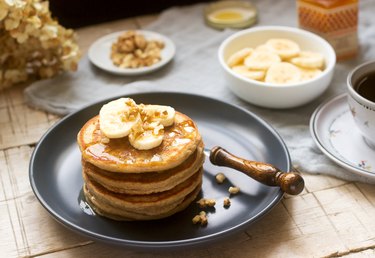
- Banana Protein Pancakes: 143 mg sodium
- 1 cup blueberries: 1.48 mg sodium, per the U.S. Department of Agriculture (USDA)
- 1 cup skim milk: 128 mg sodium, per the USDA
Snack
3 cups Grecian Popcorn: 205 mg sodium
Lunch
- Chicken Sausage & Feta Broccoli: 535 mg sodium
- Herb-Roasted Radishes: 74 mg sodium
Snack
1 cup carrots and Curry Hummus: 396 mg sodium
Dinner
- Cauliflower Rice and Black Bean Burrito Bowls: 76 mg sodium
- Caesar-Style Kale Salad: 345 mg sodium
Total Sodium for the Day: 1,920 mg
- National Institutes of Health: "Blood Pressure Matters"
- New England Journal of Medicine: "A Clinical Trial of the Effects of Dietary Patterns on Blood Pressure"
- American Journal of Preventative Medicine: "Nutrition Label Use and Sodium Intake in the U.S"
- American Heart Association: "How Potassium Can Help Control High Blood Pressure"
- National Center for Biotechnology Information: "DASH Diet (Dietary Approaches to Stop Hypertension)"
- National Heart, Lung, and Blood Institute: "DASH Eating Plan"
- The BMJ: "Comparison of dietary macronutrient patterns of 14 popular named dietary programmes for weight and cardiovascular risk factor reduction in adults: systematic review and network meta-analysis of randomised trials"
- Annals of Internal Medicine: "Associations Between Dietary Patterns and Subclinical Cardiac Injury"
- Journal of Hypertension: "The effect of plant-based dietary patterns on blood pressure"
- Nutrition, Metabolism & Cardiovascular Diseases: "Influence of Dietary Approaches to Stop Hypertension (DASH) diet on blood pressure: a systematic review and meta-analysis on randomized controlled trials"
- Cleveland Clinic: "DASH Diet: What Is It, Meal Plans and Recipes"
- Harvard Health Publishing: "Diet Review: DASH"
- Mayo Clinic: "Dietary fiber: Essential for a healthy diet"
- National Kidney Foundation: "Tips to Tackling the DASH Diet"
- U.S. Department of Agriculture: "Blueberries, raw"
- U.S. Department of Agriculture: "Milk, fluid, nonfat, calcium fortified (fat free or skim)"
Is this an emergency? If you are experiencing serious medical symptoms, please see the National Library of Medicine’s list of signs you need emergency medical attention or call 911.