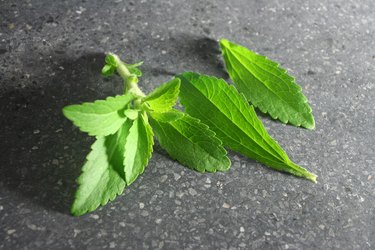
stevia is a plant related to the chrysanthemum that is native to South America. The extract from the stevia plant is used as a natural alternative to sucrose, or table sugar. Proponents of stevia claim that it can actually ben...
Stevia is a plant native to Paraguay. In the early 2000s, it became popular as a sugar alternative because of its potential health benefits. Stevia contains protein and iron, as well as numerous vitamins and minerals; it is als...
stevia is derived from the herb stevia rebaudiana, which belongs to the Chrysanthemum family and is used as a sugar substitute, as it contains virtually no calories. Because early clinical studies say stevia might help regulate...
stevia rebaudiana is a perennial shrub that is native to Paraguay and Brazil. Because stevia contains intensely sweet compounds, it has long been used as a sugar substitute in Japan, China and South America. Despite its long hi...
If you want to use a low-calorie replacement for sugar you have a several options, including aspartame, saccharin and neotame. One of the more recent sweeteners available to consumers is stevia. At times, non-sucrose sweeteners...
stevia is a blanket term for all sweeteners derived from the stevia rebaudiana bush, which is prevalent in Asia and South America. Sweeteners labeled stevia are actually extracts called steviol glycosides. The two primary stevi...
Both Stevia and Sucanat provide alternatives to refined white sugar. Stevia offers a natural, calorie-free option for replacing artificial sweeteners in the diet. While Sucanat cannot claim low calories because of its sugar can...
With xylitol, stevia and inulin, you can pacify your sweet tooth without putting on the pounds. These three natural sweeteners have 40 percent fewer calories than sugar and do not cause a spike in your blood sugar the way that ...
Stevia, an all-natural alternative sweetener, tastes many times sweeter than sugar. It has no calories, is safe for diabetics and doesn't lead to tooth decay; as of 2011, the U.S. Food and Drug Administration allows refined ste...
Sweeter than sugar and calorie-free, stevia rebaudania has found its way into many products as an alternative to sugar. More commonly referred to as simply stevia, this plant does not appear to pose any serious health risks whe...
Japanese food manufacturers starting using stevia extract as a sugar substitute in the 1970's. In recent years, it has made its way into numerous products in the United States. Mainly thought of as a food, limited research sugg...
You can satisfy your sweet tooth and help prevent cavities at the same time by using the nonsugar sweeteners xylitol and stevia. Though xylitol and stevia have similar uses, they differ in their sources, manufacturing processes...
...incidence rates increase each year, consumers are looking to alternatives such as sugar alcohols and sugar substitutes to aid in weight management. Erythritol and xylitol -- two sugar alcohols -- and stevia, an herb-based su...
Stevia is an herb used as a non-caloric sweetener. In her book, "The Family Guide to Natural Health Remedies A-Z," Janet Maccaro, who has a doctorate in holistic nutrition, claims that this herb is useful in treating acne. Many...
If you have diabetes or are trying to lose weight, you probably are very familiar with sugar substitutes. Stevia is the newest player to hit the market and is generating a lot of buzz. Sometimes, these products can sound too go...
Guarani Indians and other American tribes have used stevia leaves since ancient times to sweeten their teas and hot beverages. Although calories and carbohydrates were probably not a concern for these indigenous people, stevia ...
stevia Balance is a zero-calorie sweeter manufactured by NOW Foods. According to the Center for Science in the Public Interest, stevia rebaudiana is a shrub native to Paraguay and Brazil, and it is from this plant that stevia i...
If you're a diabetic with a sweet tooth, consider using stevia instead of sugar. This natural sugar substitute reduces your blood sugar level without causing hypoglycemia. Scientific studies performed on rats prove stevia's me...
...betics, because your body has several metabolic mechanisms to protect against hypoglycemia. There is no credible evidence from robust clinical trials to indicate an association between consumption of Stevia-derived products ...
stevia rebaudiana, a South American herb, is the source of the sweet substance known as stevia. stevia has been used as a sweetener for centuries, particularly by the indigenous Guarani people of Paraguay. In contrast, sucralos...
stevia has a long history of use as a sweetening agent in foods and beverages. In the 1970s, Japanese manufacturers developed a stevia extract to serve as a substitute for sugar in various foods and drinks. In recent years, it ...
...while too much sugar may increase your risk for obesity, high triglyceride levels and tooth decay. Sugar substitutes may be healthier alternatives to added sugars if you want sweet foods; xylitol and stevia are two popular o...
Native to Paraguay but cultivated in other parts of the world, Stevia, or Stevia rebaudiana, is a shrubby perennial that has an intensely sweet taste. Stevia is available in dried leaf form in bulk or in herbal tea blends. It i...
Stevia Glycerite is a natural sweetener obtained from the Stevia plant. Native to Brazil and Paraguay, the Stevia plant's leaves also offer many vitamins, minerals and micronutrients. As a sweetener, according to "Stevia: The G...
...e for consumers looking to manage weight and health conditions. Despite limited evidence, some people believe that these alternative sweeteners may come with negative health effects of their own. The stevia plant, which is a...
Much concern exists over the possible health drawbacks of leaves and leaf extracts from the South American herb "Stevia rebaudiana." In some countries, it has won the acceptance of the public well before full approval by govern...
Truvia is one of a handful of sweeteners derived from stevia. Given stevia's "generally recognized as safe" status with the U.S. Food and Drug Administration, along with years of worldwide research and testing, parents can feel...
stevia, which is derived from the leaf of a South American herb, is a recent addition to the list of artificial sweeteners in the United States. Although stevia was once only available as a dietary supplement, the U.S. Food and...
If you're watching your sugar consumption, you're probably familiar with the two common artificial sweeteners Stevia and Nutrasweet. Stevia is produced from a native South American plant, while Nutrasweet is one of the brand na...
stevia is a small shrublike herb from which you can extract a zero-calorie sweetener that's about 200 times sweeter than sugar. The Food and Drug Administration, or FDA, has approved the use of stevia as Generally Recognized as...
stevia, a natural sweetener obtained from the leaves of a South American shrub, has a long and complicated history with the United States Food and Drug Administration. A component of stevia leaves, Rebaudioside A in highly puri...
Splenda and stevia are non-caloric sweeteners approved by the Food and Drug Administration. Splenda, or sucralose, was discovered in 1976 by scientists testing chlorinated sugars. Splenda is the brand name, and sucralose is th...
Stevia is an ingredient in commercial foods and drinks and you can also buy it as a dietary supplement, but there are distinct differences between the versions found on the grocery store shelf and in the health food store. This...
Substituting stevia for your sugar could be the sweetest decision you've ever made. More than 100 times sweeter than sucrose, chemicals found in the leaves of the stevia plant have recently gained approval as a calorie-free swe...
Stevia and saccharin are both sweeteners you can use as sugar substitutes. Stevia is a natural sweetener and saccharin is an artificial sweetener. The Food and Drug administration has approved both sweeteners for general use in...
Stevia, also known as Stevia rebaudiana, is an unusually sweet natural herb native to Paraguay and Brazil. After some controversy surrounding it, the Food and Drug Administration approved its use as a sweetener for food and dri...
stevia is a sweetener derived from the stevia plant found in parts of South America, Paraguay and Asia. The company Whole Earth Sweetener Co. manufactures a refined part of the stevia plant, known as Rebaudioside A, and package...
Liquid Stevia is derived from the Stevia plant, a green herb. Stevia is a natural, zero-calorie alternative to table sugar. Many people use Stevia not only because it has no calories but because it is a natural, plant-derived p...
stevia rebaudiana, commonly referred to as just stevia, is commonly used as a zero calorie, sugar-free food sweetener. Agave nectar is also used as a sweetener, but it contains sugar in the form of fructose and 60 calories per ...
The Stevia rebaudiana is the plant responsible for providing the super sweet powder you can purchase to sweeten your food. The plant is named for Dr. Peter James Esteve, a botanist from Spain who lived in the 1500s. Learning ab...
stevia rebaudiana, commonly known as "stevia," is the name of a plant native to South America that is used around the world as both a natural sweetener and traditional medicine. A review study published in a 2010 issue of the "...
... the drink is aged, and may be unsuitable for children. Kombucha has a slight vinegar taste, due to the acetic acid, and is mildly sweet. If you're drinking this beverage as a health aid, you can use stevia as a sweetener wi...
...gar to add sweetness to your drinks and baked goods can also add an unwanted amount of calories. To avoid these additional calories, you may have tried replacing sugar with other types of sweeteners. Stevia, a natural sweete...
stevia is a South American shrub native to Paraguay and relative of the sunflower. For commercial purposes, stevia is grown in China and Central America. Because of its sweet taste it is used commercially to sweeten foods in pl...
stevia leaf comes from a plant native to South America. For commercial purposes, stevia is commonly grown in China, Central America and Israel. stevia is part of the sunflower family. It is commonly used as a food additive beca...
Stevia and agave nectar offer alternatives to white table sugar, honey and other sweeteners that are high in calories and have a marked effect on your blood sugar. While the sweetness in agave nectar comes from its high concent...
The stevia rebaudiana plant, known as stevia, is native to South America and has long been used in food and medicine. Stevai is currently used medicinally for a wide range of health problems. However, research results confirmin...
Stevia is a natural sweetener promoted as a healthy substitute to traditional sweeteners, such as sugar and honey. This sweet substance is derived from an herb native to Paraguay and Brazil called Stevia rebaudiana. Though stev...
Stevia is a sugar substitute used to replace table sugar with virtually zero calories. The sweetener is made from the leaves of Rebaudioside A, an herb grown in parts of Portugal and Brazil. Stevia was little known in the U.S. ...
Stevia is a sweet-tasting perennial shrub related to the Chrysanthemum family. Stevia is native to South America and is generally considered 10 times sweeter than regular table sugar. Stevia has no calories and does not spike b...
stevia is commonly known as sweet leaf or sugar leaf; its leaves and extracts are obtained from perennial stevia shrubs native to South America. Extract of this plant, according to Memorial Sloan-Kettering Cancer Center, is two...
Stevia, a natural sweetener native to South America, is a plant much sweeter than sugar and considered to be beneficial for many health conditions, including obesity and hypertension. Stevia was approved for sale as a sweetener...
The stevia plant is a perennial shrub that is native to Paraguay. Used for years in South America, Asia and some European countries, stevia is valued for its natural sweetness. In 2008, the Food and Drug Administration approved...
...eteners to satisfy their taste buds. Throughout the past decade, however, there have been growing health concerns about artificial sweeteners, such as aspartame. A no-calorie natural sweetener called stevia is gaining popula...
Derived from stevia rebaudiana, a South American plant, stevia is a commonly used natural sweetener. Unlike sugar and honey, stevia contains no calories and doesn't significantly raise your blood sugar levels. Despite these ben...
...controversy surrounding their safety — though the U.S. Food and Drug Administration supports the safety of both these sweeteners. Truvia, however, is a naturally derived sweetener from the herb stevia. Although one is ...
stevia is a natural sweetener derived from the stevia plant. As a diet aid, stevia can be used as a sugar substitute that may help to control blood glucose levels and blood pressure. stevia also has some potential therapeutic p...
Stevia is a zero calorie sweetener. It is available in raw form, and you can find it in food and beverages. With large numbers of people looking to lower their caloric consumption and at the same time focus on eating healthy, r...
The leaves of the herb stevia rebaudiana, which are available in powder and tablet form, can be used to sweeten foods and drinks in much the same way sugar is used. However, stevia leaf is calorie-free and has a greater concent...
Stevia rebaudiana is a plant native to Paraguay that provides sweetness with minimal dietary caloric value. This sweet herb has been used for hundreds of years by the tribes in Paraguay. Discovery of its sweet properties increa...
stevia, an herb native to South America, is cultivated for its leaves, which are used as a natural alternative to sugar. stevia contains no calories and refined extracts of stevia are as much as 200 to 300 times sweeter than su...
Stevia is a genus of shrub-like herbs that include about 240 species native to tropical and semi-tropical areas of the Americas. Stevia was used as a sweetener and herbal medicine by indigenous Indians for many centuries before...
stevia rebaudiana, commonly referred to as just stevia, is derived from the stevia plant, and it is commonly used as a zero calorie food sweetener and a medicinal substance. It belongs to the sunflower family and it has been us...
The University of Nebraska reports that there were "few botanical discoveries quite as dramatic" as the realization that some stevia plants are hundreds of times sweeter than sugar. Although the stevia plant is found throughou...
Stevia and agave are sugar substitutes that are considered natural sweeteners because they are derived from plants. Agave nectar is a syrup that contains about the same number of calories as table sugar, but it is much sweeter...
stevia is an herb native to South America. While the herb itself is not found on the U.S. market, certain highly refined sweeteners containing a stevia extract called rebaudioside A are marketed under the names Sweet Leaf, Sun...
Stevia is a relatively new sugar substitute available in the United States that is about 300 times sweeter than sugar, Mark Stengler writes in his book "The Natural Physician's Healing Therapies." This herb is native to South A...
Extracts made from Stevia rebaudiana, a tender perennial plant, provide a food and beverage sweetener rated 30 times sweeter than sugar. Similar to other artificial sweeteners, such as sucralose, your body does not metabolize t...
There are three basic varieties of Stevia extract available for purchase in the United States: powder, liquid and leaf. Stevia rebaudiana is a plant found in South America. In his book "Stevia: The Genus Stevia," Dr. A. Dougl...
Being health-conscious does not have to mean eschewing all artificial sweeteners. Stevia is an artificial sweetener that can be used in place of sugar or saccharine substitutes and has beneficial health properties. Although it ...
Stevia is an herb that has no calories, no impact on blood sugar levels and is said to be 300 times sweeter than table sugar. Although many countries have been using Stevia as a sweetener for years, it wasn't until 2008 that th...
Stevia is an herbal natural sweetener found in South America. It is about 30 times sweeter than sugar and has no caloric value. It is not absorbed by the digestive system so it does not affect blood sugar levels, making it an a...
...forts haven't removed the bulge around your middle, taking senna may help if the unwanted roundness is due to constipation or water bloat. Some commercial brands of diet teas add the herbal sweetener stevia and flavorings to...
Stevia is a natural sweetener alternative to other common, but controversially dangerous chemical sweeteners, such as aspartame and saccharin. The zero-calorie and low-carb -- depending on the brand -- sweetener comes from the ...
stevia is a virtually noncaloric, natural food sweetener with a checkered past and a debated future. Banned by Canada and most of the European Union, stevia finally obtained official government sanctioning in the United States ...
Stevia is a leafy, perennial plant from South America, cultivated globally as a food and beverage sweetener. The processed sweetener from the plant is up to 400 times sweeter than table sugar. Changes in 2009 from the U.S. Food...
... and health benefits. Through trial and error and, in more recent times, through science and research, we have discovered naturally occurring life forms that taste good and help us feel better. Green stevia, a shrub native t...
stevia is a small perennial plant native to South America. A member of the Chrysanthemum family, stevia has been valued for centuries for its healing properties and use as a potent, natural sweetener. stevia is approximately 30...
Because sugar affects the body's blood glucose levels, many turn to artificial or natural sweeteners to reduce the amount of calories in a food. One example of a natural sweetener is stevia, which is derived from the stevia pla...
Stevia is an herb that grows wild predominantly in South America, and it is used as an alternative to sugar to sweeten drinks, desserts and anything else that requires sugar. Stevia can be used as a part of a diabetic diet sinc...
stevia is a popular sweetener harvested from the South American stevia rebaudiana shrub. At 100 to 300 times the potency of sugar, but with 0 calories, stevia can be helpful if you are diabetic, obese or prone to dental cavitie...
stevia is a plant derived from South America. stevia.com reports that stevia was utilized as a sweetener by Native Paraguay and Guarani Americans and has since been used as an alternative way to sweeten foods and lose weight. A...
Leaves from the Stevia plant are a diabetic-safe, low-calorie sweetener that is 100 to 300 times sweeter than sucrose. Stevia is consumed around the world and has no safety concerns regarding its use, according to Drugs.com. It...
You may be looking for an alternative to sugar, and stevia, a virtually calorie-free, natural sweetener, is more than 30 times sweeter than sugar. Although the herb stevia was recently introduced in the United States, it has be...
The U.S. Food and Drug Administration approved Stevia as a sweetener in 2008, after several years of allowing it only as a dietary supplement. Stevia has been used in one form or another as a sweetener for centuries in South Am...
stevia, widely marketed as a sugar substitute, appears to have health benefits that go well beyond its use as a sweetener. The Food and Drug Administration has never formally approved the use of stevia in food preparations, but...
stevia rebaudiana, commonly referred to simply as stevia, is a plant that is native to Paraguay and known for its sweetness, which is 10 to 15 times sweeter than sugar, according to "stevia: The Genus stevia." In about a day's ...
Try Stevia if you want a non-nutritive sweetener to replace sugar in your diet. The leaves of Stevia rebaudiana, a herbaceous annual plant in the sunflower family, native to South America, contain a sweet, crystalline chemical ...
According to the health education website of the Mayo Clinic, stevia was recognized as a safe food ingredient by the Food and Drug Administration in 2008. Natives of Paraguay, where the plant originated, have used stevia leaves...
The latest low-calorie sweetener to appear on market shelves is stevia, derived from the South American plant of the same name. Also known as sweet leaf or sugar leaf, stevia contains a chemical called stevioside, which gives ...
Stevia rebaudiana is an herb in the Chrysanthemum family that grows wild as a small shrub in parts of Paraguay and Brazil. Stevia is an all-natural herbal product with centuries of use. It has been thoroughly tested in dozens o...
Stevia, otherwise known as Stevia rebaudiana, is known worldwide for its sweet plant leaves. In late 2008 the FDA declared that the sweetener Stevia is "generally recognized as safe," and the product quickly was assimilated int...
...at high levels in the United States, many people look for sweeteners that are calorie-free. There are numerous types of artificial sweeteners, some of which have been proven to be unsafe. Splenda and stevia are the newest ca...
...ne option: sugar. Now that the prevalence of diabetes and obesity are at all-time highs in the United States, people are turning toward different types of sweeteners. Natural sweeteners like the herb stevia, which comes from...
stevia is a natural non-calorie sweetener produced by the stevia plant. Used for centuries to sweeten food without added calories, it has become a popular non-calorie natural sweetener in the United States. stevia was just re...
... sweeteners. Artificial sweeteners can be up to 600 times sweeter than regular sugar. Many people are concerned about the harmful effects of these sweeteners and are looking for natural alternatives. Stevia is a natural swee...
Stevia is a plant belonging to the sunflower family and known for its sweet leaf. Stevia extracts have a sweetness that can be 300 times sweeter than sugar. Stevia has an insignificant impact on blood glucose levels, lending i...
Stevia is an herb that grows wild as a shrub in South America. The leaves of the Stevia plant contain glycosides, including 10 percent stevioside, which provides its sweetness. According to the Center for Science in the Public...
stevia, with the scientific name of stevia rebaudiana Bertoni, is an herb native to Bolivia. It is 300 times as sweet as sugar. Its best-known medicinal quality is based on what it lacks--calories. This makes stevia valuable in...
Stevia, 300 times sweeter than table sugar, is a calorie-free herbal sweetener. It makes up 40 percent of Japan's sweetener market and is widely used in South America. Some controlled scientific studies detect no allergic react...
stevia, a South American herb known and loved since prehistoric times, is 300 times as sweet as sugar. Unfortunately, stevia's potency might be its greatest danger. People trying to lose weight won't stifle their sweets habit w...
...ng for many consumers to find out which sweetener is healthiest. This is because there have been safety controversies regarding some of the artificial sweeteners once thought of as safe. Splenda and Stevia are two alternati...
stevia extract has several active components called steviol glycosides. These give stevia its sweetness. The stevia plant is part of the daisy family. stevia is about 300 times sweeter than sugar, so little is used when it's ad...
Stevia is a natural, no-calorie sweetener that comes from a shrub indigenous to South America. Stevia has long been sold as a supplement in health food stores, but the U.S. Food and Drug Administration (FDA) would not approve i...
Stevia is a perennial shrub (rebaudiana rertoni) that belongs to the Asteraceae family. The leaves of the plant contain a chemical called stevioside. Its extract can be up to 300 times sweeter than regular table sugar.The U.S. ...
The sweet-tasting herb stevia is quickly gaining popularity as a naturopathic treatment for type II diabetes and related conditions. The World Health Organization has advised consumers that, while evidence of stevia's effective...
stevia, a sweet herbaceous plant commonly used as a sugar substitute, has been used for hundreds of years as a traditional treatment for Type II diabetes. The World Health Organization notes that stevia is safe, nontoxic and as...
The FDA approved Stevia for sale as a dietary supplement in 1995. As of 2008, Stevia was approved for use in foods and beverages. Made from the leaves of the Stevia rebaudiana plant, the Stevia sweetener may come in natural pow...
With the 2008 FDA approval for the natural no-calorie sweetener, stevia, food manufacturing companies are chomping at the bit for their share of the market. Since you can't "own" a natural substance, manufacturers are creativel...
Stevia is a South American herb that has been used for hundreds of years as a sweetener. It contains compounds called glycosides--or more specifically, steviosides--that produce the intensely sweet taste, but provide no calorie...
Stevia, a plant native to Paraguay, has been used for more than 200 years to sweeten foods and beverages. Today, manufacturers extract the sweet-tasting compound rebiana from the leaves and process it so it can be added to food...
The artificial sweetener stevia has been used in foods and beverages in the U.S. as a calorie-free sweetener since the Food and Drug Administration proclaimed in 2008 that it's generally safe. Its extract can be hundreds of tim...
stevia, stevia rebaudiana or sweet leaf of Paraguay are some of the names given to the leaves of this plant native to Paraguay. In the early 1900s stevia was documented by Moises Bertoni, a Paraguayan botanist. It is a natural ...
Stevia is a great alternative to common table sugar or artificial sweeteners. Regular sugar can wreak havoc on your blood sugar while artificial sweeteners are derived from chemicals and may be harmful to your health. Derived f...
An herb in the sunflower family, Stevia is also called sweetleaf or sugarleaf because of the sweet taste of its leaves. It has been used as a sugar substitute in many countries, except the United States, where until 2009 it was...
stevia is a type of herb that can be used as an artificial sweetener. It was approved by the U.S. Food and Drug Administration in 2008 to be sold as an ingredient to sweeten foods. The FDA deemed stevia "generally recognized as...
Stevia, the natural sweetener derived from the Stevia rebaudiana plant, enjoys widespread acceptance in many countries, and it was cleared by the Food and Drug Administration (FDA) for distribution as a food sweetener in the Un...
Stevia, a natural sweetener used to replace sugar, was approved in December 2008 by the Food and Drug Administration as a dietary supplement. Used as a sugar alternative by the Coca Cola Company and PepsiCo in their products, i...
Stevia or asteraceae (also known as sugarleaf and sweetleaf) has been used for more than 100 years in its native Paraguay and in Brazil as both a sweetener and a medicinal aid for conditions such as diabetes. Stevia is also use...
Stevia is a natural sugar alternative, derived from the leaves of the Stevia rebaudiana plant. It has been used as a sweetener for hundreds of years throughout the world and is gaining popularity in the United States. If you ar...
Stevia, a naturally sweet South American shrub, has a long tradition of use as a sweetener in Brazil and Paraguay. More recently, it's become a popular sugar substitute in the United States, where it was approved by the Food an...
stevia is an herb that is much sweeter than sugar. Approved by the Food and Drug Administration for use in the Untied States in 2008, doctors at the Mayo Clinic recommend using stevia in moderate amounts until more research bec...