No research proves that alcohol consumption directly causes stomach ulcers, according to the University of Maryland Medical Center. However, if you drink excessive amounts of beer or other alcoholic beverages, you are at an inc...
Neither apple juice nor apple cider causes stomach ulcers. In fact, there's no indication that diet encourages the development of peptic ulcers. This isn't to say certain dietary habits won't have an effect on this condition, b...
Peptic ulcers -- sores in the lining of your stomach or upper part of your small intestine -- are a result of digestive fluids damaging the gastrointestinal tract's protective membrane. Symptoms include gnawing, burning or achi...
If you've been told that acidic foods, including soda pop, could cause stomach ulcers, you've been told a lie. For a while, even the medical community believed that eating highly acidic foods, stress and spicy food could cause ...
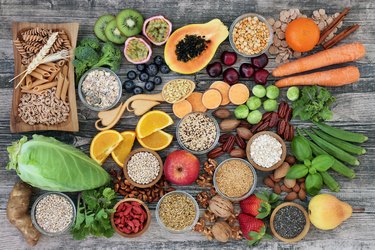
Most raw vegetables and fruits help relieve symptoms of ulcers. Certain types, such as those with fiber, flavonoids, antioxidants and vitamin B-12, are particularly beneficial. Other foods, including citrus fruits and spicy veg...
Zinc supplements may be beneficial for treating certain health conditions, including stomach ulcers. Consult a qualified health care provider before taking zinc supplements.
You may think that certain foods, stress or spices can cause stomach ulcers, but ulcers are not the result of your diet. Most ulcers are caused by an infection in the lining of your digestive system that erodes the protective l...
This amino acid serves as the primary energy source for the cells lining the small intestine and stomach, according to the University of Michigan Health System. Limited research suggests glutamine supplementation might help tre...
Stomach ulcers are caused by a certain type of bacteria called Helicobacter pylori, or H. pylori, according to FamilyDoctor.org. H. pylori causes an infection, which leads to the development of ulcers. Acid mixed with other sto...
Probiotic use may be helpful in balancing the amount of good and bad bacteria in your stomach, placing strain on the formation of the bacteria that causes most ulcers. Stomach ulcers are mostly the result of a bacterial infecti...
Stomach ulcers, also called gastric ulcers, are sores that flare up when you eat or drink. Previously, doctors believed that too much stress or a highly-acidic diet caused stomach ulcers, but today they know that an infection c...
Stomach ulcers may make you feel like you are intolerant of bleu cheese, but an ulcer and intolerance are two different conditions. Stomach ulcers are eroded portions of your stomach lining due to an infection, the overuse of a...
A stressful lifestyle or highly acidic diet were once thought to cause stomach ulcers. Although neither is healthy, they aren't likely to lead to an ulcer. Ulcers often result from infection, although stomach acids can burn the...
Stomach ulcers are open sores in your stomach lining. Stomach ulcers are common, according to the National Digestive Diseases Information Clearinghouse, and usually are caused by bacteria called Helicobacter pylori, or H. pylor...
Stress can cause numerous health problems for some people, depending on their ability to cope. In some cases, stress can be so overwhelming it consumes even the most laid-back person. Rather than turning to medications with unp...
Peptic ulcers are open sores in the lining of your stomach or small intestine. Most ulcers aren't caused by spicy foods or stress, but by an infection caused by Helicobacter pylori bacteria. Symptoms generally dissipate within ...
The enzyme pepsin enables the stomach to take filet mignon and break it down into the same amino acids found in the lowly chuck roast. While teeth, saliva, stomach acid and the steady churning of the stomach all contribute to t...
Papaya contains an enzyme, called papain, which is commonly sold as a dietary supplement. Some sources say papain can prevent or cure a variety of conditions, including gastric reflux, stomach ulcers and arthritis. There's no s...
Peptic ulcers are open sores that commonly occur in the mucous membrane of the stomach or duodenum -- the first part of the intestine. A type of bacteria called Helicobacter pylori is usually the cause of an ulcer, although lo...
Stomach ulcers, also called gastric ulcers, are open sores in your stomach lining. Though 80 percent of gastric ulcers are caused by a bacterium called Helicobacter pylori, stomach acids and lifestyle factors play a role in the...
It can cause a painful burning sensation in the stomach, which usually begins about an hour after eating, or when lying down in bed. Following a healthy diet and reducing stress is important for the treatment of stomach ulcers...
A stomach ulcer is an internal wound. It is a spot on the stomach that has become worn down and eroded from stomach acid. Symptoms of stomach ulcers can include heartburn and indigestion, a chronic painful burning sensation, fe...
When the lining of the stomach fails to provide adequate protection against stomach acids, stomach ulcers can occur. Stomach ulcers are internal wounds and they cause a painful burning sensation that is often felt after meals. ...
Ulcers are open sores that occur inside the stomach. These may result from a bacterial infection and regular use of pain relievers. Abdominal pain is a common symptom, but severe symptoms such as vomiting blood, dark blood in s...
Stomach ulcers are sores that form in the lining of your stomach due to erosion of the protective mucus layer. In most cases, bacteria called Helicobacter pylori or long-term use of nonsteroidal anti-inflammatory drugs, such as...
Stomach ulcers are very common in North America and are conventionally treated with a combination of antibiotics, bismuth subsalicylate and antacids. Increasing numbers of sufferers are looking for alternative or additional tre...
Although the pain may last only briefly and may come and go, it should not be ignored. If left untreated, the ulcer can get worse and lead to a perforation, or tear, in the stomach wall that requires surgery. Although doctors o...
To prevent this, a thick layer of mucus lines the digestive tract, including the stomach. When this mucus lining becomes damaged, the stomach acid gets into the tissue of the stomach wall and can cause irritation leading to an ...
Peptic ulcer is a catchall term for sores that affect the digestive tract. According to MayoClinic.com, approximately 10 percent of all Americans will deal with a stomach ulcer at some point in their lives. Development of an ul...
Certain foods can stimulate acid production, causing your stomach ulcer to become more aggravated. Not everyone reacts to foods the same, but foods that are spicy, greasy or high in acid will generally cause an increase in stom...
Stomach ulcers, also known as peptic ulcers, are open sores that develop on the lining of the stomach and duodenum. Infection with the helicobacter pylori bacterium is the most common cause of stomach ulcers, according to the N...
Stomach ulcers are sores that occur when digestive juices make contact with the lining of your stomach. The foods you eat will not cause an ulcer, although certain foods you eat will aggravate your ulcer and slow the healing pr...
The belief that certain foods can cause ulcers has proved out to be false. Spicy foods do not cause ulcers, but they may aggravate symptoms in those who already have ulcers. The most common cause of ulcers is a bacteria called ...
Ulcers form in the digestive tract, which includes your esophagus, stomach and duodenum. Although caffeine cannot cause an ulcer, it can cause an increase in stomach acid production, resulting in ulcer pain. Avoid foods and bev...
A stomach ulcer, also called a peptic ulcer, is an open sore in the lining of your esophagus, stomach or small intestine. According to MayoClinic.com, ulcers are caused by a bacterium called H. pylori, but non-steroidal anti-in...
Stomach ulcers, also known as peptic or gastric ulcers, are lesions or holes in the mucosal lining of your stomach. Common causes include excess hydrochloric acid, smoking, alcohol, stress, certain medications and H. pylori bac...
Stomach ulcers, also sometimes called peptic ulcers, are wounds that develop on the lining of the stomach or the upper part of the small intestine. The ulcers develop when acid used by the stomach for digestion eats away at the...
Ulcers are open sores in the lining of the stomach or the first part of the small intestine, the duodenum. These may be caused by bacterial infection and medications such as nonsteroidal anti-inflammatory drugs. Ulcers are clas...
A gastric, or stomach, ulcer is a sore on the lining of your stomach. The most common cause of stomach ulcers is a bacterium called Helicobacter pylori, although certain drugs can also cause this condition. Numerous herbs may b...
An ulcer can develop in the stomach, esophagus or duodenum. Stomach ulcers are most commonly caused by a bacteria known as Helicobacter pylori. Overuse of nonsteroidal anti-inflammatory drugs, such as ibuprofen, can also cause ...
One common cause is H. pylori, a bacterium that can be treated with medications. Anti-inflammatory medicines, smoking, alcohol abuse and poor diet are other factors associated with peptic ulcers. Symptoms may mimic hunger, with...
Fenugreek is a food spice and flavoring that also has been used medicinally for centuries. Historical uses included treating gastrointestinal conditions, including stomach ulcers, but today it is used primarily by people with d...
Bleeding stomach ulcers, also known as peptic ulcers, stem from a variety of factors, such as consuming nonsteroidal anti-inflammatories and aspirin, excessive alcohol intake and experiencing high amounts of stress on a daily b...
Stomach ulcers can vary on their location, type, and etiology. Stomach ulcers fall under the broader category of peptic ulcer disease. A peptic ulcer is a tear in the mucosa that can develop in the esophagus, stomach, or duoden...
A group of drugs called nonsteroidal antiinflammatory drugs---NSAIDs for short---can significantly aggravate existing stomach ulcers and even cause new ulcers to form, the Mayo Clinic cautions. If possible, people with stomac...
A stomach ulcer, known as a peptic ulcer, is a hole or sore that develops in the lining of the stomach or at the beginning of the small intestine, the duodenum. According to the Centers for Disease Control and Prevention, more ...
The website reports a burning sensation as the most common symptom of a stomach ulcer. The sensation may be on and off for several weeks, disappear after consuming food or become more irritating when the stomach is empty. The m...
Stomach ulcers are open wounds that tend to develop in the stomach lining. A burning pain in the abdomen experienced for a few minutes to several hours is the most common symptom of a stomach ulcer. For a long time, stress and ...
There are several possible causes for this breakdown in the protective processes and development of gastric ulcers.
A bacterium known as Helicobacter pylori causes over half of all stomach ulcers worldwide, according to the National Digestive Diseases Information Clearinghouse. Taking nonsteroidal anti-inflammatory drugs can also cause ulcer...
Stress can contribute to the development of many diseases and it can exacerbate the symptoms of existing conditions. This includes stomach, or peptic, ulcers. While stress alone does not cause peptic ulcers, learning to manage ...
Stomach ulcers are areas where the normal inner layer of tissue called the mucosa has been eroded away. Two general mechanisms appear to be most common--either overproduction of acid by the stomach, or destruction of the protec...
A stomach ulcer is a sore in the stomach lining or duodenum, according to the National Institute of Diabetes and Digestive and Kidney Disease. It arises due to a Helicobacter pylori infection or ongoing use of aspirin or ibupro...
Gastritis and stomach ulcers are serious conditions, and patients should understand their causes to prevent them from worsening. Gastritis is an inflammation of the stomach lining, and stomach ulcers are holes in the stomach li...
According to the National Digestive Diseases Information Clearinghouse, about 10 percent of Americans have had an ulcer of the stomach or small intestine, which are collectively called peptic ulcers.
The most common sign of a stomach ulcer is abdominal pain, which lasts from a few minutes to several hours and is worse when the stomach is empty, according to MayoClinic.com. Additional symptoms of stomach ulcers include black...
Stomach ulcers form on the inside lining of the stomach or duodenum, the first part of the small intestine. The ulcers are also referred to as gastric or peptic ulcers. The Mayo Clinic lists abdominal pain as the most common sy...
Gastric ulcers affect a large number of adults annually and cause acute stomach pain as well as indigestion, acid reflux and loss of appetite. A major cause of stomach ulcers is the bacteria H. pylori, although stress, alcohol,...
Stomach ulcers, otherwise known as peptic ulcers, are an open sore in the stomach lining. Depending on the location of the ulcer, peptic ulcers may be referred to by other names. Gastric ulcers are sores that develop in the sto...
Stomach ulcers, also called peptic ulcers, are breaks in the lining of the stomach that have been eroded by the acid and other digestive juices in the stomach. SteadyHealth.com states that more than 3 million Americans are diag...
Stomach ulcers, or peptic ulcers, are lesions caused by the bacteria Helicobacter pylori. Risk factors for developing stomach ulcers include age, heredity, alcohol use, diabetes, a history of chronic pain, stress and smoking. A...
A stomach ulcer--also referred to as a peptic or gastric ulcer--is a lesion that develops in the lining of your intestine. This condition is most commonly caused by overuse of nonsteroidal anti-inflammatory drugs or the presenc...
A variety of ulcers exist--peptic, gastric and duodenal. The Mayo Clinic states that peptic ulcers are common, affecting 10 percent of Americans at some point in their lives. These ulcers do have one thing in common, and that i...
Stomach ulcers, also known as gastric or peptic ulcers, are open sores or lesions that develop in the stomach lining, most often caused by a bacterial infection. According to the University of Maryland Medical Center (UMMC), di...
According to the Mayo Clinic, doctors have found that stomach ulcers, also called peptic ulcers, are not due strictly to diet or stress as previously thought. They are caused by bacterial infections or certain medications, name...
Stomach ulcers, also known as gastric ulcers, are raw areas or open sores in the lining of the stomach. They may be caused by bacteria, excessive acid content, alcohol use, injuries or when the lining of the stomach isn't able ...
A stomach ulcer is an open skin lesion that occurs along the lining of your stomach. The two major types of stomach ulcers are duodenal and gastric ulcers, which are collectively referred to as peptic ulcers. These types of sto...
A duodenal ulcer is a raw spot in the lining of the upper part of the small intestine near the stomach, according to Penn State's Medical Center. Duodenal ulcers fall into the group known as peptic ulcers, which includes ulcers...
If the ulcer occurs in the stomach, it is called a gastric ulcer. If the ulcer occurs in the small intestines, it is called a duodenal ulcer. There had been a widespread belief that spicy foods caused ulcers in the stomach, but...
This is one of the most common complaints that one hears at the office.
But what if that burning "pain in the gut" isn't heartburn? It could be the makings of a stomach ulcer, a potentially serious condition.
Some people experience aching in the upper abdomen. Other people complain of stabbing pain that is felt across the whole gut.
To a certain extent, your symptoms depend on the location of your ulcer. Duodenal ulcers are usuall...
If not for heartburn and acid indigestion, there would be no antacid commercials.
But what if that burning âpain in the gutâ isnât heartburn? It could be the makings of a stomach ulcer, a potentially serious c...