How to Correct Pulled Forward Shoulders
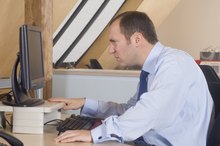
Spending long periods of time sat at a desk, hunched over a computer or driving can result in pulled forward or protracted shoulders and a rounded upper back. In addition, a badly designed exercise program that involves too many pushing exercises and too few pulling exercises can also cause the same problem. Correcting protracted shoulders requires a two-pronged approach, involving stretching and strengthening exercises
Stretch Tight Chest Muscles
Stand in an open doorway. Bend and place your arms on the vertical door frame. Your elbows should be level with your shoulders and your palms facing forward.
Stretching Exercises for ACL Injuries
Learn More
Adopt a staggered stance, then lean your chest forward and between your arms. Inhale deeply, then exhale and lean further into the stretch. Hold the stretch for 10 to 15 seconds or until you feel your chest muscles relax.
Forcefully push your elbows against the door frame for five seconds. although muscular tension is being created, there should be no movement. Relax, inhale and then exhale. Move into a more deeply stretched position.
Exercises to Flatten Your Tummy in Two Weeks
Learn More
Repeat the contract-relax sequence two or three more times. Finish by holding the final stretch for 30 to 60 seconds.
Strengthen Weak Upper Back Muscles
Hold your exercise band in both hands and stand with your feet hip-width apart. Lift your chest and raise your arms in front of you to chest height.
Keep your elbows straight, inhale and spread your arms until the band is stretched across your chest.
Exhale, slowly return to the starting position and then repeat. Continue this exercise until you feel your upper back and rear shoulder muscles begin to fatigue.
Cobra Pose
Lie on your stomach on a rug or yoga mat.
Stretch your legs behind you and point your toes.
Bend your elbows, hug them to your sides and place your hands, palms down, beside your shoulders.
Lengthen your back by turning your tailbone down. Inhale and raise your head, followed by your chest. Use your back muscles to pull you up instead of pushing your hands into the floor. This action will strengthen your upper back muscles, while at the same time, opening your shoulders.
Breathe normally for up to one minute in this position and then lower down.
Shoulder Opener
Stand with your feet hip-width apart.
Bring your arms behind your back and clasp your hands together.
Exhale and bend forward from your waist, raising your clasped hands behind you at the same time.
Raise your hands as high as you can behind you without feeling pain in your back or shoulders. Breathe normally for up to 30 seconds and then return to standing. This exercise can be performed throughout the day at work to correct your slumped shoulders,
Tips
Perform these exercises at least once a day. Perform more often if you have been engaged in a problematic seated position for a long period of time. Check with a physical therapist to see if a more aggressive program is required to correct your posture.
Warnings
Check your rubber exercise band for wear and tear. Replace it if it appears worn or damaged.
Related Articles
Stretching Exercises for ACL Injuries
Learn More
Exercises to Flatten Your Tummy in Two Weeks
Learn More
Exercises to Get Rid of a Muffin Top
Learn More

Exercises to Elongate the Neck
Learn More
Exercises for the Sagittal Plane
Learn More

Exercises to Burn Belly Fat Fast
Learn More
Stretches for Thoracic Paraspinal Muscles
Learn More

Corrective Exercises to Help a Dropped Shoulder
Learn More

Stomach Slimming Exercises for Older Women
Learn More

How to Stretch the Quadratus Lumborum
Learn More
References
- Posture, Get It Straight! Look Ten Years Younger, Ten Pounds Thinner and Feel Better Than Ever; Janice S. Novak
- Stretching; Bob Anderson and Jean Anderson
- Strength Band Training; Phil Page and Todd Ellenbecker
Resources
Writer Bio
Patrick Dale is an experienced writer who has written for a plethora of international publications. A lecturer and trainer of trainers, he is a contributor to "Ultra-FIT" magazine and has been involved in fitness for more than 22 years. He authored the books "Military Fitness", "Live Long, Live Strong" and "No Gym? No Problem!" and served in the Royal Marines for five years.