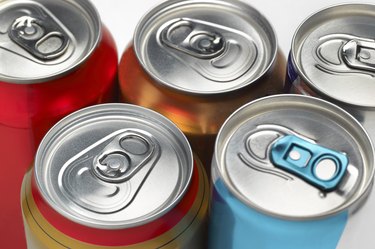
Sugar-free energy drinks are popular beverages promoted as energy enhancers. They are usually carbonated and contain caffeine or other stimulants, such as ginseng and tea extracts.
People may consume energy drinks like sugar-free Monster for improved athletic performance, weight reduction or for energy to stay up for work, school or recreational activities.
Video of the Day
Video of the Day
Routine or excessive consumption of energy drinks poses numerous risks, however. While zero-calorie energy drinks contain less calories and sugar than regular varieties, they pose similar risks.
Sugar-Free Energy Drinks Risk
People may reach for zero-calorie energy drinks like sugar-free Monster for numerous reasons. Increased energy is perhaps the most obvious, along with mental clarity. In addition, dieters may opt for sugar-free energy drinks in place of high-calorie foods or beverages while restricting calories, to manage appetite or for a metabolism boost. Athletes may drink energy drinks prior to exercise in hopes of heightened athletic performance.
Part of the allure of energy drinks is their high caffeine content, plus other ingredients like guarana (another source of caffeine) and certain vitamins. A typical energy drink may contain up to 240 milligrams of caffeine in a 16-ounce serving — compared to 100 milligrams in an 8-ounce cup of coffee.
Due to the excess caffeine, energy drinks may negatively impact a person's moods and emotional health. According to the National Center for Complementary and Integrative Health (NCCIH), energy drinks may cause irritability, restlessness and nervousness.
Since people vary in caffeine sensitivity, some individuals may experience intense emotional effects shortly after consuming energy drinks and more significant "crash" effects once the stimulants wear off. Those with psychological disorders, such as anxiety and depression, may stand at heightened risk for these effects. As such, even sugar-free energy drinks pose a risk despite being low in calories.
Physical Risks
Depending upon the ingredients and how much volume a person consumes, energy drinks may cause adverse physical symptoms. According to the NCCIH, energy drinks are known to cause rapid heartbeat and blood pressure increases. People may experience irregular heart rhythms, which are sometimes dangerous.
Though research findings are mixed, caffeine and other ingredients in energy drinks may trigger dehydration during physical activity, according to an October 2015 International Journal of Health Sciences (IJHS) review. In severe cases, excessive energy drink consumption has been linked with seizures, chest pain, heart attacks and sudden death.
The IJHS review warns of the potential adverse effects of energy drink consumption, particularly for adolescents. In addition to negatively impacting heart health, regular and sugar-free energy drinks may cause gastrointestinal upset, acute and chronic headaches and various caffeine-induced psychiatric disorders.
Alcohol Hazards
Combining energy drinks with alcohol has become a growing trend in America. According to the NCCIH, about 25 percent of college students drink alcohol with energy drinks. For this reason, many alcoholic beverage companies are targeting this age group in promotion of energy drinks combined with alcohol.
Youth and young adults hoping to keep their calorie intake low while drinking alcohol may opt for sugar-free energy drinks combined with alcohol. Regular and zero-calorie energy drinks combined with alcohol pose multiple dangers.
Though people may believe that it's harder to get drunk while drinking stimulants, what actually happens is their assessment of their intoxication is reduced. The Centers for Disease Control and Prevention (CDC) reports that drinkers aged 15 to 23 who mix energy drinks with alcohol are four times more likely to binge-drink than those who do not mix the two.
According to the CDC, binge drinking is defined as consuming four or more drinks per occasion for women or five or more drinks per occasion for men. With binge drinking, the risk for injuries, unwanted or unprotected sex, driving while intoxicated and life-threatening accidents may increase. Alcohol also compounds the negative side effects of energy drinks, such as irritability and heart problems.
Cognitive and Sleep Problems
Caffeine and other stimulants contained in energy drinks may negatively affect a person's ability to think clearly or focus on important tasks. According to the National Sleep Foundation (NSF), the effects of caffeine are temporary and do not take the place of getting adequate sleep. In addition, people who consume energy drinks or other caffeinated beverages regularly are more likely to struggle with insomnia, according to the IJHS review.
While moderate, occasional consumption of energy drinks is generally considered safe, precautions should be taken. Both regular and zero-calorie energy drinks vary substantially in their content of caffeine, additional stimulants and other ingredients.
As an alternative to energy drinks like sugar-free Monster, try water and/or sports drinks as the optimum energy enhancer during workouts. Overweight individuals may fare better by increasing physical activity and adhering to a nutrient-rich diet than from over-consumption of diet energy drinks.
The NSF recommends healthy sleep habits as an optimum means of energy enhancement. A regular sleep schedule, a relaxing bedtime routine and a cool, comfortable sleep environment will help you sleep well and get energized for the day.
- National Sleep Foundation: Caffeine Effects on Cognitive Function and Sleep"
- National Center for Complementary and Integrative Health: "Energy Drinks"
- National Center for Biotechnology Information: International Journal of Health Sciences: "Energy Drink Consumption: Beneficial and Adverse Health Effects"
- Centers for Disease Control and Promotion: "Fact Sheets - Alcohol and Caffeine"
- National Sleep Foundation: "Caffeine and Sleep"