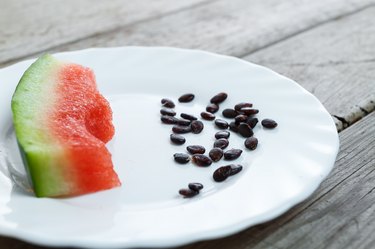
What's the first thing that comes to mind when you think about watermelons? Probably not the seeds. This may come as a surprise, but watermelon seeds are actually a great source of protein, magnesium, zinc, folate and other nutrients. And no, they won't cause a watermelon to grow inside your belly. This is just a myth.
Why Eat Watermelon Seeds?
Video of the Day
The health benefits of watermelon are widely recognized by the medical community. Rich in lycopene, beta-carotene and other antioxidants, this delicious fruit may protect against cancer, diabetes and cardiovascular problems. Plus, it's 92 percent water and has just a few calories per serving. Red-fleshed watermelon boasts up to 40 percent more lycopene than tomatoes; this potent antioxidant neutralizes free radicals, lowers cholesterol levels and inhibits tumor growth.
Video of the Day
What most people don't know is that watermelon seeds are just as healthy as the fruit itself. Loaded with protein, zinc, copper, manganese and B vitamins, they pack a hefty nutritional punch. One cup provides 139 percent of the daily value (DV) of magnesium, an essential mineral that regulates over 300 metabolic and enzymatic reactions in the body. You'll also get the following nutrients:
- 602 calories
- 30.6 grams of protein
- 16.5 grams of carbs
- 51.2 grams of fat
- 82 percent of the DV of phosphorus
- 74 percent of the DV of zinc
- 44 percent of the DV of iron
- 87 percent of the DV of manganese
- 6 percent of the DV of calcium
- 19 percent of the DV of niacin
- 16 percent of the DV of folate
Dried watermelon seeds are higher in protein and minerals than pumpkin and sunflower seeds. One cup of pumpkin seeds, by comparison, boasts 11.9 grams of protein, 34.4 grams of carbs and 42 percent of the daily recommended magnesium intake. The same amount of sunflower seeds has only 9.6 grams of protein.
How to Eat Watermelon Seeds
There's absolutely no reason to throw away these crunchy, nutritious seeds. To fully reap the benefits, sprout them and then let them dry naturally — or use a dehydrator. Their shells will fall off during sprouting. Add a pinch of salt and enjoy them as a snack or sprinkle them over veggies. You can also find sprouted watermelon seeds and watermelon seed butter in health stores.
Read more: 13 Powerful Grains and Seeds
Another way to enjoy these delicious seeds is to roast them in the oven. Spread them on a baking sheet and roast them for 15 minutes or until crispy. The protein in watermelon seeds will fill you up quickly and curb hunger.
For extra flavor and nutrition, add olive oil and Himalayan pink salt. If you have a sweet tooth, serve these seeds with stevia and cinnamon. Better yet, mix them with pumpkin seeds, almonds, or walnuts to create your own trail mix. Add dark chocolate chips to get more antioxidants in your diet.
Potential Health Benefits
From weight loss and glowing skin to improved immune function, watermelon seeds have myriad benefits. First of all, they're an excellent source of magnesium, the fourth most abundant mineral in the body. According to a 2017 review published in Scientifica, this compound plays a key role in energy production, nerve function, DNA synthesis, protein synthesis and blood glucose control. It also helps regulate blood pressure and supports mental health.
Rich in folate, these seeds may help protect against neural tube defects, depression and even cancer. As the National Institutes of Health notes, folate might reduce the risk of preterm birth and prevent stroke. It also contributes to cell division and DNA synthesis.
One cup of dried watermelon seeds boasts 87 percent of the recommended daily allowance of manganese, a mineral that contributes to growth and development, supports immune function and aids in digestion. It also helps your body convert food into energy and enhances your natural defenses due to its antioxidant effects.
Watermelon Seeds Promote Weight Loss
Watermelon seeds might be some of the best diet foods you're not eating. One serving of roasted seeds, which is equal to 1/3 cup, has 8 grams of protein, 3 grams of net carbs, 13 grams of fat and only 150 calories. They're a perfect snack between meals and boast a higher nutritional value than chips, bagels or crackers.
The protein in watermelon seeds can make weight loss easier. In 2016, the Journal of the Academy of Nutrition and Dietetics published a meta-analysis showing that protein increases the feeling of fullness. Additionally, high-protein diets are more sustainable in the long run and can lead to greater weight loss than standard protein diets, according to a 2017 study featured in Obesity Facts.
This nutrient also balances the hormones that regulate appetite and helps you burn more calories throughout the day due to its high thermic effect, as Today's Dietician points out. On top of that, it helps build and preserve lean muscle mass when combined with regular exercise. When you're on a diet, you want to maintain lean mass to keep your metabolism up. Due to their high protein content, watermelon seeds are ideal for vegans and vegetarians and fit into most diets.
Achieve Glowing Skin Naturally
Packed with zinc, magnesium and antioxidants, these seeds nourish your skin and may slow aging. Zinc, for example, may help protect against acne. This mineral is a safe, effective alternative to traditional acne treatments due to its lack of side effects, according to a 2017 review published in Dermatologic Therapy.
Read more: 10 Recipes for Glowing, Healthy Skin
Magnesium benefits your skin too. Low levels of this mineral may accelerate physiological aging. As the International Journal of Sciences notes, magnesium helps maintain telomere structure and plays a crucial role in DNA and RNA synthesis. When consumed in adequate amounts, it supports healthy aging and may help prevent age-related disorders.
The protein in watermelon seeds will keep your skin young and glowing. This nutrient aids in collagen production, promotes new tissue growth and supports tissue repair. It's also an integral component of your skin, hair and nails.
Keep Your Heart Healthy
Need one more reason to snack on watermelon seeds? Think about your heart. These seeds are rich in trace minerals and electrolytes that promote cardiovascular health. Potassium, for example, helps maintain fluid and blood volume, regulates blood pressure and protects against stroke and heart disease.
Magnesium, another key nutrient in watermelon seeds, prevents potassium loss and supports heart function, according to The BMJ. Furthermore, it may help lower blood pressure and protect against cardiovascular disorders, such as atherosclerosis, ventricular arrhythmia and sudden cardiac death. This mineral may improve glycemic control and reduce diabetes risk.
Read more: The 14 Best Foods for Your Heart
So, what are you waiting for? Now that you know the benefits of watermelon seeds, incorporate them in your diet. Use them in homemade energy bars, mix them with yogurt or enjoy them roasted while watching your favorite movie or after a challenging workout. It's a simple, effective way to protect your health and boost your nutrient intake.
- EXCLI Journal: Watermelon Lycopene and Allied Health Claims
- SELFNutritionData: Dried Watermelon Seeds
- MedlinePlus: Magnesium in Diet
- SELFNutritionData: Whole, Roasted Pumpkin Seeds
- SELFNutritionData: Dried Sunflower Seeds
- Nutrition Journal: Effects of High-Protein vs. High-Fat Snacks on Appetite Control, Satiety, and Eating Initiation in Healthy Women
- Scientifica: The Importance of Magnesium in Clinical Healthcare
- National Institutes of Health: Folate
- Frontiers in Bioscience: Manganese Metabolism in Humans
- Examine.com: Manganese Biological Significance
- Nutritionix: Watermelon Seeds, Roasted & Salted
- JAND Online: The Effects of Increased Protein Intake on Fullness
- Obesity Facts: Effect of a High-Protein Diet Versus Standard-Protein Diet on Weight Loss and Biomarkers of Metabolic Syndrome
- Today's Dietician: High-Protein Diets and Weight Loss
- Dermatologic Therapy: The Role of Zinc in the Treatment of Acne
- International Journal of Molecular Sciences: Telomere Homeostasis: Interplay With Magnesium
- Cleveland Clinic: The Best Way You Can Get More Collagen
- Nutrition Express: Protein Is Important for Beautiful Skin, Hair and Nails
- Centers for Disease Control and Prevention: The Role of Potassium and Sodium in Your Diet
- BMJ Journals: Magnesium for the Prevention and Treatment of Cardiovascular Disease
- Food Republic: How the Heck Do You Use Sprouted Watermelon Seeds?