






















In "The Menopause Self Help Book," Dr. Susan M. Lark, M.D., an authority on women's health issues, notes that hot flashes are one of the symptoms that women going through menopause complain about most. Because of the risks and side effects related to hormone replacement therapy, more women are turning to herbal remedies to control uncomfortable menopausal symptoms, such as hot flashes, night sweats, heart palpitations and headaches.
Red Clover
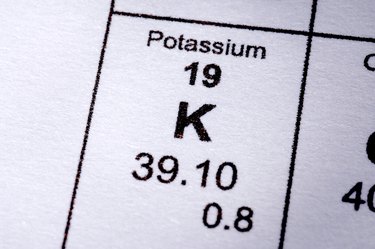
According to the University of Maryland Medical Center, while studies are not conclusive, research suggests that the isoflavones in the herb red clover may have the potential to help alleviate the hot flashes associated with menopause. Isoflavones, an estrogen-like chemical, may act to reduce hot flashes in women when estrogen levels are low. Red clover also is a source of phytoestrogens, plant estrogens, which are similar to the female hormone estrogen. The herb contains other essential vitamins and minerals, like vitamin C, calcium, potassium and magnesium, needed to maintain good health. Because too much estrogen in the body has been linked to certain health problems, until more long-term studies are done, some experts argue that isoflavones in red clover may pose risks similar to those of HRT. If you decide to try an herbal alternative to relieve menopausal symptoms, you can get the herb in capsule form. Follow the dosing instructions of your physician or holistic practitioner carefully.
Dong Quai
Dong quai is an herb that some women find effective in treating hot flashes and other discomforts associated with menopause. The herb works by dilating the blood vessels, increasing circulation. Don quai may also help to control body temperature and regulate levels of estrogen in the body, which in turn aids in alleviating symptoms of menopause. Recommended dosage is 400 to 600 mg each day. The herb is available in capsule form, or you can steep the root of the plant in water to make a tea.
Chaste Berry
Chaste berry helps to regulate pituitary function, thereby reducing the incidence of hot flashes and dizziness related to menopause. The chaste berry has a role in regulating luteinizing hormone and the secretion of follicle-stimulating hormone in women. The herb acts to lower estrogen levels and raise progesterone levels, which can help ease many of the symptoms of menopause. In most cases, you must take the herb for at least two or three months before noticing any improvement in hot flashes or other symptoms. You must continue taking chaste berry for one year if you want improvements to be permanent. Talk to your doctor first before taking chaste berry or any other herbal remedy to relieve the symptoms of menopause.
Black Cohosh
Black cohosh is another herb often used as a treatment for menopause. Many women who choose not to take prescription hormone replacements use extracts of black cohosh to relieve hot flashes. The herb acts like estrogen in the body by reducing levels of the lutenizing hormone. Normally, it takes about six months of use for the herb to be effective in relieving menopausal symptoms. However, because the herb is sometimes linked to an increase in liver enzymes, you should use it with caution. Black cohosh is available as a supplement and can be taken twice a day for as long as six months. Women who have heart disease, take estrogen supplements or oral contraceptives after menopause, or take medication to lower blood pressure should not use black cohosh.


