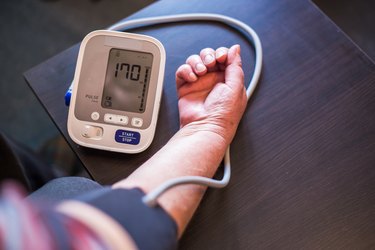
Think of blood pressure like the water pressure in your shower. You don't want it to be too low because, well, it's just not very effective. But you also don't want it to be too high because it eventually becomes unbearable.
The difference, of course, is that when we're talking about blood pressure, unbearable translates to serious conditions like stroke, heart failure, dementia and blindness.
High blood pressure, explains Karol Watson, MD, PhD, a spokesperson for the American College of Cardiology and co-director of the UCLA Program in Preventive Cardiology, "is like all the organs are being bombarded with water out of a firehose."
Here, we'll dig into what high blood pressure — aka hypertension — looks and feels like, and the effects of high blood pressure on the body.
What Is Normal Blood Pressure?
According to the Mayo Clinic, blood pressure measures how hard blood is pushing against artery walls. That, in turn, is determined by how much blood your heart is pumping and how wide and flexible your arteries are.
Updated guidelines issued in 2017 by the American Heart Association and the American College of Cardiology define healthy blood pressure as less than 120/80 mm Hg.
The top number is the systolic blood pressure, which is the pressure that the heart generates when it pumps. The bottom number is the diastolic pressure, measured when the heart is between beats, Dr. Watson explains. The two together determine whether or not you have hypertension, though the systolic (top) number is typically more important because it's harder to control, she says.
Types of High Blood Pressure
Any reading of 120/80 or above is considered higher-than-ideal blood pressure, but the next step above normal blood pressure is a category referred to as Elevated, according to the American Heart Association (AHA), where the systolic reading is between 120-129 and diastolic is less than 80. People in this range are at a higher risk of developing actual hypertension.
Beyond that, there are three categories of high blood pressure:
High Blood Pressure Chart
Category | Systolic | Diastolic | |
|---|---|---|---|
Stage 1 | 130-139 | or | 80-89 |
Stage 2 | 140 or higher | or | 90 or higher |
Hypertensive Crisis | Higher than 180 | and/or | Higher than 120 |
Warning
A blood pressure reading higher than 180 for systolic or higher than 120 for diastolic warrants immediate medical attention.
High blood pressure is also divided into categories based on the cause (or lack of cause):
1. Primary or Essential Hypertension
There is no obvious cause. This can take years to develop, and chances are that it's a result of aging and/or lifestyle issues like diet and exercise. More people have this type of hypertension, according to the American Academy of Family Physicians.
2. Secondary Hypertension
Secondary hypertension is when there's a known cause, such as another health condition (sleep apnea, kidney problems or thyroid issues are common culprits) or certain medications such as decongestants, birth control pills and illicit drugs like cocaine or meth, according to the Mayo Clinic. This type usually comes on more abruptly.
Symptoms of High Blood Pressure
High blood pressure usually has no symptoms, which is why it's called the "silent killer."
"People can tolerate quite high blood pressure without any symptoms," Michael Blaha, MD, professor of medicine and director of clinical research at the Ciccarone Center for the Prevention of Cardiovascular Disease at Johns Hopkins University in Baltimore, tells LIVESTRONG.com.
With that said, some people who have had hypertension say they feel much better after they've been treated, Dr. Watson says.
Symptoms of a hypertensive crisis — when your blood pressure suddenly shoots up to 180/120 or higher — can include the following, according to the Mayo Clinic:
- Severe headaches
- Confusion
- Blurred vision
- Nausea and vomiting
- Seizures
- Trouble breathing
As noted above, this is an emergency and requires medical treatment right away.

The Effects of Untreated High Blood Pressure
Just because you don't have any obvious symptoms doesn't mean consistently high blood pressure isn't wreaking havoc on your body, per the Mayo Clinic.
1. Blood Vessel Stiffening
The damage starts with the blood vessels, according to the AHA. The continued pressure of blood against the walls of your arteries erodes the lining. The arteries become less elastic and it becomes harder for the blood to travel through them.
"Blood vessels should be very pliable, so they're able to contract and loosen up according to what the body needs," Dr. Blaha says. "As the arteries stiffen, the blood pressure becomes harder to regulate and the body will drive the blood pressure up as it strives to maintain blood flow to key organs."
2. Heart and Brain Damage
Corrosion of the blood vessels eventually leads to organ damage because the organs aren't getting enough blood and oxygen. The organs in the body that are most sensitive to blood pressure are the brain, heart and kidneys, Dr. Watson says. This is where high blood pressure can do the most harm.
As a result, chronic high blood pressure can lead to coronary artery disease, heart attack, stroke and aneurysm.
3. Kidney Failure
The kidneys are also at risk. "The kidneys rely on a very regulated blood pressure to make sure they're filtering the blood appropriately," Dr. Blaha says. When the pressure becomes unregulated, you can end up with kidney failure.
4. Cognitive Decline
Hypertension can also induce memory and thinking problems associated with mild cognitive impairment and even dementia. That's because damaged blood vessels make it hard for blood to reach the brain, per the Mayo Clinic.
5. Other Effects
The effects of high blood pressure can also extend to the vessels in your eyes, leading to blurred vision and even blindness. Some men and women also experience sexual dysfunction because not enough blood is going to the penis or the vagina.
Risk Factors for High Blood Pressure
There are many different risk factors for hypertension. While some are unavoidable, others are within your control.
The two major ones that you can't change are genetics and age. People of certain races, such as African-Americans, are also at higher risk for developing hypertension.
Modifiable risk factors including the following, according to the Mayo Clinic:
- Not exercising enough
- Being overweight
- Smoking
- Consuming too much salt and alcohol
- High levels of stress
Alternatively, sometimes underlying health conditions like diabetes are the culprit, according to the American College of Cardiology.

When to Worry About High Blood Pressure
Any elevated blood pressure should be taken seriously. Bear in mind, though, that one reading is not enough to accurately diagnose high blood pressure.
"Blood pressure is not defined by one reading," Dr. Blaha says. "It's really an average of readings over time."
Your doctor and dentist will likely take readings during your regular checkups, but you can also check your blood pressure at your gym or local drug store, if they have a monitor, or you can do it at home with your own cuff.
If your blood pressure numbers are consistently elevated, pay attention. You can nip long-term problems in the bud with some simple measures, which your doctor can talk through with you. The longer hypertension goes unchecked, the worse the damage will be.
Managing and Treating High Blood Pressure
High blood pressure is treatable with a combination of lifestyle measures and medications. Tried-and-true strategies include the following, according to the American College of Cardiology:
- Losing weight or maintaining a healthy weight
- Exercising
- Eating healthy foods, such as those included in the DASH diet
- Reducing stress
- Cutting back sodium to less than 2,300 milligrams a day if you're healthy and less than 1,500 daily milligrams if you have hypertension
- Taking medications prescribed by your doctor
- Not smoking
- Limiting alcohol
Is this an emergency? If you are experiencing serious medical symptoms, please see the National Library of Medicine’s list of signs you need emergency medical attention or call 911.