





















How to Increase Libido After Menopause Without Hormones

How to Increase Libido After Menopause Without Hormones
Photo Credit sex on fire image by astoria from Fotolia.com

After menopause, estrogen production decreases, leaving most women with lowered libido. This reduces desire for sexual relations with a spouse or significant other. Vaginal dryness is also a complication of menopause, leading to lowered libido and making sex uncomfortable and sometimes painful. Most doctors prescribe hormone replacement therapies for menopausal women. But hormones are not always an option when certain risk factors such as blood clots are present. Natural treatments to increase libido can be explored to increase libido and overall menopausal health.

Step 1

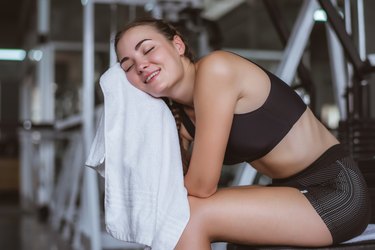
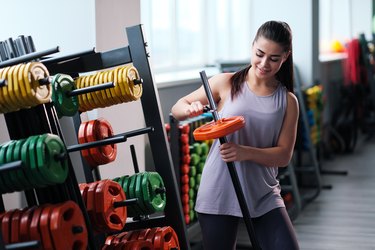
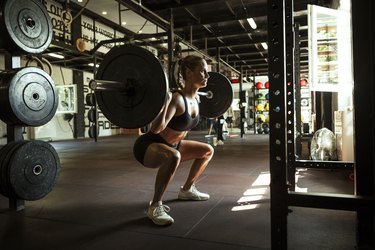
Exercise for 30 minutes each day. Exercise reduces menopausal symptoms and gives you a sense of well-being by reducing stress, which plays a major factor in controlling libido. Walking, aerobics, and yoga are ideal exercises for lowering stress and helping heighten libido.

Step 2

Apply a vaginal lubricant when engaging in sexual intercourse to combat vaginal dryness. Discomfort and vaginal dryness during menopause lowers libido in conjunction with hormone decrease. Using lubricant will alleviate these symptoms while helping to increase libido by providing comfort to you and your partner.

Step 3

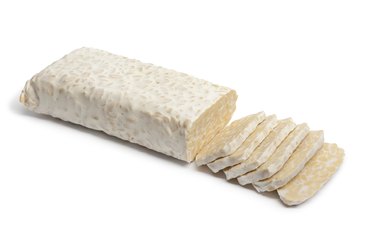
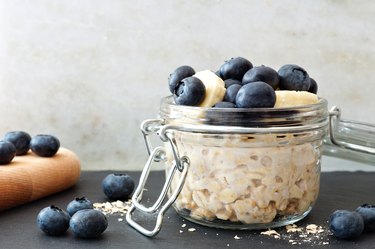
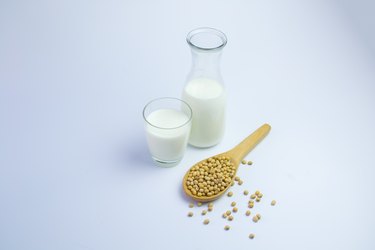
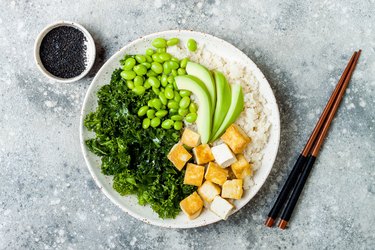
Eat foods that contain isoflavones and phytoestrogens such as soy, legumes, and whole grains. These foods contain natural estrogens that will help replace lost estrogen during menopause and stimulate the adrenal glands to increase natural hormone production in your body.

Step 4

Take vitamin E supplements daily to help restore estrogen production. Vitamin E is thought to stabilize estrogen in the body by boosting production during menopause, according to the American Academy of Family Physicians. Black cohosh and chasteberry supplements have also shown the same benefits in studies conducted by the AAFP throughout the years.

Step 5

Limit alcohol consumption and nicotine use to alleviate menopausal symptoms and help regulate estrogens. Alcohol and tobacco can restrict blood flow and estrogen production, making it harder to become aroused and lowering sexual desire. Limiting use of these products may help regulate estrogen levels and blood flow, allowing arousal and desire to return.

References

Article reviewed by Lauren Fritsky Last updated on: May 17, 2010

Must see: Photo Galleries