















The acronym ABVD represents a chemotherapy regimen used in the treatment of cancer. Four drugs make up this regimen: doxorubicin, bleomycin, vinblastine and darcarbazine. ABVD has become a popular treatment for Hodgkin's lymphoma. This chemotherapy regimen is often the first treatment used for lymphoma.
History
The ABVD regimen was first used in the 1970s in Milan, Italy. According to "The Chemotherapy Source Book," the studies of the regimen were published by a group led by Bonadonna Gianni. Since the inception of ABVD, it's popularity has grown, largely because it produces fewer side effects than other regimens while still providing high response rates by the cancer.
Function
The function of traditional chemotherapy is to attack and kill cancer cells by stopping their replication and division. Each medication works in a slightly different way. Doxorubicin mispairs DNA strands and stops the replication process of the cancer cell. Bleomycin causes DNA strands to break and prevents cell replication and division. Vinblastine attacks the microtubule within the cell that is responsible for cancer cell division. Darcarbazine inhibit the production of RNA and DNA.
Administration
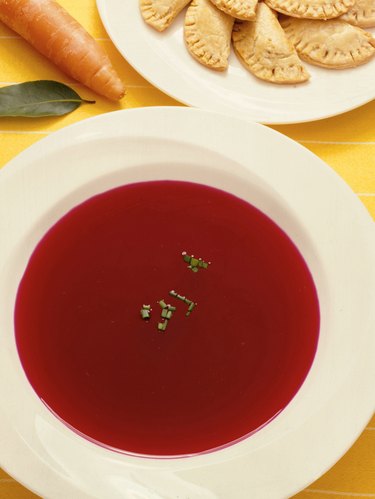
With the exception of doxorubicin, which is red, the chemotherapy medications are clear liquids. The Lymphoma Information Network states that medication administration occurs every 14 days. Administration of ABVD takes about two to three hours, with medications that prevent nausea and vomiting administered first. One cycle equals two treatments or one month. Normally, treatment consists of six to eight cycles.
Side Effects
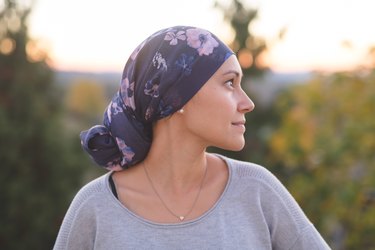
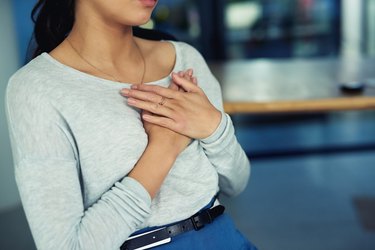
Although fewer side effects occur with this regimen, some still affect the lymphoma patient. MacMillan Cancer Support lists risk for infection and bleeding, fatigue, nausea, vomiting, hair loss and mouth sores as commonly felt side effects from this regimen. Other side effects include discoloration of skin or nails, discoloration of urine, headaches, diarrhea, numbness of hands or feet, taste changes and heart or lung damage.
Cancer Response
"The Chemotherapy Source Book" reports that 82 percent of Hodgkin's lymphoma tumors respond to the ABVD chemotherapy regimen. Reports of survival time after five years reaches 61 percent. Long term survival after 15 years with the use of ABVD alone reaches 45 percent. There are other chemotherapy regimens that produce similar survival rates, but tend to contain more side effects than ABVD.
References
- "The Chemotherapy Source Book"; Michael C. Perry, Ph.D.; 2007
- Lymphoma Information Network: Hodgkin's Chemotherapy
- MacMillan Cancer Support: ABVD Chemotherapy


