




































Hyperactive Adrenal Gland Symptoms

Hyperactive Adrenal Gland Symptoms
Photo Credit side view of runner image by jimcox40 from Fotolia.com

There are two kidneys found in the body and each kidney has an adrenal gland located above it. The adrenal glands are endocrine glands--hormone-producing glands that lack openings and secrete hormones directly into the bloodstream. Aldosterone, adrenaline, noradrenaline and cortisol are some hormones secreted by the adrenal glands. These hormones affect body functions such as blood pressure, fluid and electrolyte balance and the body's response to infection. Hyperactive adrenal glands produce excessive amounts of these hormones.

Excessive Cortisol Symptoms

Cortisol is a steroid hormone secreted by the adrenal cortex. The National Institutes of Health reports that cortisol affects, the bones, circulatory and immune system, breakdown of fats, carbohydrates, and protein for energy production, nervous system and how the body responds to stress. Cushing's syndrome is a disease where there is a high level of cortisol in the body. Individuals who have this disease may develop more fat in their abdomen while their legs remain thinner in comparison. A round or moon face is also a sign of this disease, along with a hump on the back, thin skin that bruises easily, fragile bones, bone pain, weak muscles and acne.

High Aldosterone Symptoms

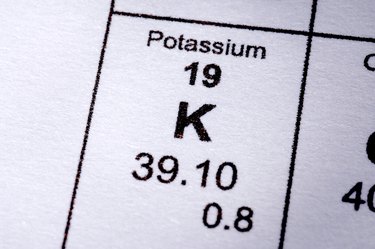
Aldosterone is another hormone produced by the adrenal glands. It regulates the levels of sodium and potassium in the body. Under normal circumstances, aldosterone stimulates the retention of sodium and promotes the excretion of potassium. When there is too much aldosterone in the body, a condition known as hyperaldosteronism occurs, as stated by the National Adrenal Diseases Foundation. Symptoms of hyperaldosteronism include high blood pressure and low potassium levels in the body. Fatigue, muscle weakness, tingling, muscle spasms, numbness and temporary paralysis that occurs intermittently are also symptoms of hyperaldosteronism.

Symptoms of Excessive Catecholamines

The adrenal glands are made of two parts-- the adrenal cortex and adrenal medulla. The adrenal medulla produces a class of hormones known as catecholamines. These hormones are secreted into the bloodstream in times of physical or emotional stress and prepare the body for action. Epinephrine and norepinephrine are examples of catecholamines. The adrenal glands may produce excessive amounts of these hormones in the presence of an adrenal tumor. Pheochromocytoma is a tumor of the adrenal glands that causes it to produce high amounts of catecholamines. Some signs of too much of a catecholamine in the body are high blood pressure, chest pain, sweating, increased heart rate, constipation and rapid breathing.

References

Article reviewed by M.J. Ingram Last updated on: Jul 18, 2010

Must see: Photo Galleries