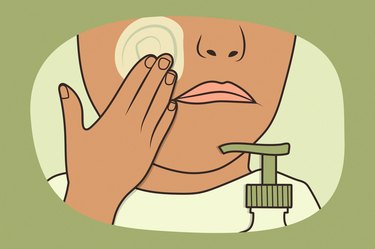
Personal hygiene refers to the cleaning and grooming of the body. In addition to improving appearance, personal hygiene is an important form of protection against disease and infections of all kinds. Understanding the importance of personal hygiene allows people to make informed decisions about how to care for their health and appearance.
Purpose
The main purpose of personal hygiene is to prevent illness and improve appearance, but hygiene also plays an important role in social acceptance and can either improve or hinder a person's reputation in social situations. Bad breath, body odor and an unkempt appearance, for example, are often considered undesirable and can give a bad first impression to peers, acquaintances and potential mates.
Types
Personal hygiene covers a wide variety of separate actions, such as shaving, bathing and wound care. According to Mayo Clinic, hand washing should occur before preparing food and treating wounds as well as after using the toilet or touching an animal. Other situations that call for hand washing include eating and handling germ-infested items such as diapers and Kleenex.
Oral hygiene---or the process of caring for the teeth and gums---is vital for optimal health and attractiveness. Regular face- and hair-washing, application of deodorant, and the use of soap and feminine hygiene products are other important aspects of personal hygiene to consider.
Misconceptions
While many items are marketed as personal hygiene products, some have little effect on actual cleanliness. Perfume, cologne, hairspray and cosmetic products such as makeup do not play a role in maintaining hygiene and should be considered optional products tied to grooming.
Considerations
Each person has slightly different standards and ideas about personal hygiene. Individual practices can vary greatly depending on factors such as a person's upbringing, personal preference, lifestyle and culture. While personal hygiene is important for maintaining public health and preventing disease, discussions about personal hygiene should be approached tactfully to avoid offending others.
Challenges
Elderly people and those with mental impairment may require help in attending to personal hygiene needs. To maintain a sense of independence and dignity, disabled and elderly people should strive to meet as many of their own personal hygiene needs as possible, according to the Pennsylvania Department of Public Welfare.
Other factors that can influence hygiene standards include poverty, ignorance of proper hygiene methods and restricted lifestyles such as military service or incarceration. Learning about the consequences of poor hygiene early on is an excellent way to establish proper habits in adulthood.


Member Comments