Blood pressure is recorded as two numbers — the systolic over the diastolic. In many people with high blood pressure, or hypertension, both numbers are elevated.
But sometimes only the systolic or diastolic is elevated, and these abnormalities can also pose health risks. Lifestyle interventions can reduce blood pressure readings, and high diastolic readings, or diastolic hypertension, can be improved by many of the same lifestyle therapies that reduce the systolic pressure.
Video of the Day
Video of the Day
Blood Pressure 101
Blood pressure measures the amount of pressure against the artery walls as blood is pumped throughout the body. The top, or systolic number, reflects the pressure inside arteries when the heart pumps, and the bottom, or diastolic number is the pressure when the heart relaxes between beats.
According to the American Heart Association, readings below 120/80 are normal, and systolic readings over 140 or diastolic readings over 90 are classified as hypertension. Uncontrolled blood pressure increases the risk of heart attack, stroke, blood vessel disease, heart failure, vision loss and sexual dysfunction.
Diet Changes
One of the best ways to lower blood pressure naturally is to eat according to the DASH diet, an eating pattern that was designed for the Dietary Approaches to Stop Hypertension research trials.
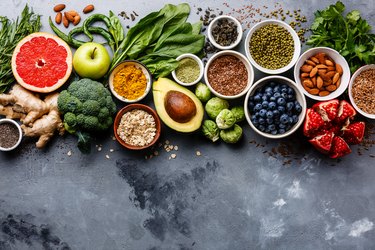
The DASH diet is particularly rich in fruits and vegetables — 8 to 10 daily servings — and also includes whole grains, legumes, nuts, seeds, low-fat or nonfat dairy, and moderate amounts of fish, chicken and lean meat.
The DASH plan has been associated with significant blood pressure improvements — lowering diastolic blood pressure an average of 5.5 points in people with hypertension. Additional blood pressure improvements can be expected with a reduction in dietary sodium, which may lower diastolic by about 3 points.
Weight Loss
Obesity is a common factor in people who have increased diastolic blood pressure. According to a March 2009 report, each 1-point increase in body mass index, or BMI, raises the risk of developing diastolic hypertension by 6 percent.
The positive side of this finding is that it presents a natural solution to improving blood pressure — losing weight. A March 2016 research review found an average weight loss of 4 kg, or 8.8 lb, reduced diastolic blood pressure by 3.2 points.
Regular Exercise
The path to losing weight almost always requires regular exercise. But adding exercise to your daily routine does more than just help you lose weight. Exercise can reduce inflammation, improve blood cholesterol and triglycerides, reduce blood sugar — and lower blood pressure.
A review of 54 randomized controlled trials demonstrated that people with hypertension can reduce diastolic pressure by an average of 4 points with at least one weekly 40-minute session of moderate intensity exercise. This same study linked aerobic exercise to blood pressure improvements in normal and overweight individuals, and in people with and without hypertension.
Next Steps
Lifestyle changes can make a big difference in the management of hypertension. By eating according to the DASH plan, cutting back on sodium, losing weight and increasing physical activity, you may be able to bring your blood pressure to your target ranges.
Not smoking, limiting alcohol intake and managing stress are also important for heart health. Some people will need blood pressure-lowering medications to complement their lifestyle changes. If you have any questions on how to manage your blood pressure, talk with your doctor.
Reviewed by Kay Peck, MPH RD
- Cochrane Database of Systematic Reviews: Long-Term Effects of Weight-Reducing Diets in People With Hypertension.
- JAMA Internal Medicine: Body Mass Index and Hypertension Hemodynamic Subtypes in the Adult U.S. Population
- JAMA: 2014 Evidence-Based Guideline for the Management of High Blood Pressure in Adults Report From the Panel Members Appointed to the Eighth Joint National Committee (JNC 8)
- Circulation: 2013 AHA/ACC Guideline on Lifestyle Management to Reduce Cardiovascular Risk
- The Journal of Family Practice: How Effective Are Lifestyle Changes for Controlling Hypertension?
- Annals of Internal Medicine: Effect of Aerobic Exercise on Blood Pressure: A Meta-Analysis of Randomized, Controlled Trials
- New England Journal of Medicine: A Clinical Trial of the Effects of Dietary Patterns on Blood Pressure
- BMJ: Effect of Longer Term Modest Salt Reduction on Blood Pressure: Cochrane Systematic Review and Meta-Analysis of Randomised Trials
- American Heart Association: Health Threats From High Blood Pressure
- American Heart Association: Changes You Can Make to Manage Blood Pressure.
- National Institutes of Health: National Heart, Lung and Blood Institute: DASH Eating Plan
Is this an emergency? If you are experiencing serious medical symptoms, please see the National Library of Medicine’s list of signs you need emergency medical attention or call 911.