Peptic ulcers are open sores inside the stomach, esophagus or intestine which may bleed and cause health complications. Your physician may adjust your diet as part of your treatment for a bleeding ulcer in addition to medication use. Spicy foods, alcohol and caffeinated products may make ulcers worse. Certain foods may speed healing of a bleeding ulcer and prevent ulcer re-occurrence, states the University of Maryland Medical Center.
Fruits and Vegetables
Video of the Day
Ulcers may form from higher concentration of stomach acid that can eat away at the lining of the digestive tract. Smoking, excessive alcohol use and long-term use of anti-inflammatory medications contribute to higher stomach acid concentrations. A diet rich in fiber helps food move easier through the stomach and digestive tract, preventing a backlog of food and acid build-up in the digestive tract. Food rich in fiber may also help heal an ulcer, states the University of Maryland Medical Center.
Video of the Day
Fruits and vegetables are naturally high in fiber. Leave skins on fruit when appropriate, such as with apples and pears, for added fiber content. Beneficial vegetables include broccoli, carrots, potatoes, peas and artichokes. MayoClinic.com recommends that women consume about 21 to 25 g of fiber per day, and males 30 to 38 g daily.
Grains and Legumes
Foods high in fiber include whole grains, like whole wheat bread and pasta, brown or wild rice and cereals, crackers and snacks made from whole grain. Beans are also rich in fiber. Consider adding black beans, pinto beans, kidney beans or baked beans to your diet for a fiber boost. Lentils and split peas are also good choices.
Foods with Flavanoids
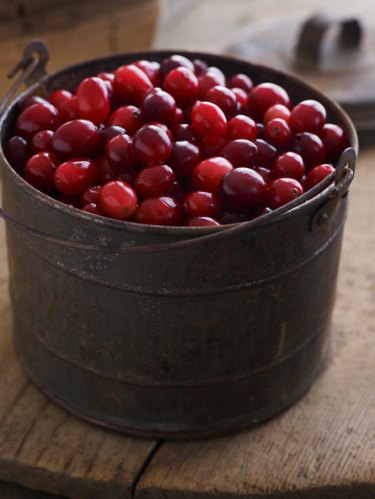
Flavanoids are naturally occurring compounds in certain plants that have many health benefits, including inhibiting ulcer formation and healing, states Natural Remedies.org. Flavanoids may be found in apples, whole cranberries and cranberry juice, onions, celery, garlic and tea leaves. H. Pylori is a bacterium known for causing bleeding ulcers. These compounds may prevent the growth of H.pylori, a bacterium that causes ulcers, states the University of Maryland Medical Center.
Is this an emergency? If you are experiencing serious medical symptoms, please see the National Library of Medicine’s list of signs you need emergency medical attention or call 911.