
























Estrogen is a natural hormone produced in the ovaries. A proper level of the hormone is necessary to maintain bone health, as well as mood and weight stability. However, high levels can cause weight gain, depression and increase the risk of developing other health problems. According to the National Institutes of Health website MedlinePlus, high levels of estrogen can increase the risk of breast and endometrial cancers. Fortunately, by increasing the intake of certain foods and decreasing others, it is possible to lower estrogen levels.
Step 1
Before making dietary changes, consult a physician to rule out any other health problems and have blood tests to determine your estrogen levels.
Step 2
Limit or eliminate the consumption of coffee, alcohol, soda, sugar, fast food and processed foods, as these contribute to magnesium deficiency, suggests Dr. Michael Lam, an expert in natural health. According to the Dr. Lam website, magnesium is necessary for the neutralization of estrogen in the liver.
Step 3
Limit the consumption of hormone-fed animal products or choose organic and hormone-free meat and dairy products. Cow's milk accounts for 80 percent of the exogenous estrogen consumed in the typical American diet, according to the Harvard School of Public Health website.
Step 4
Decrease fat intake as fat encourages the re-absorption of estrogen.
Step 5
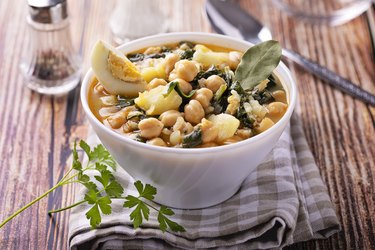
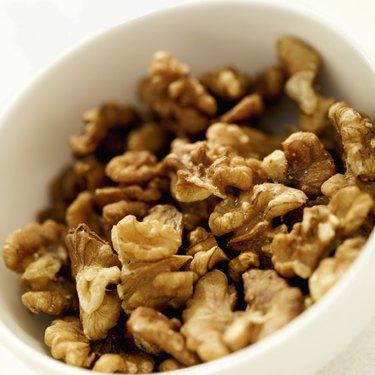
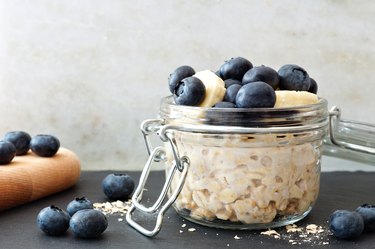
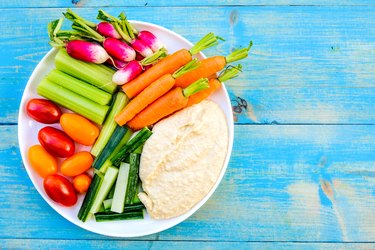
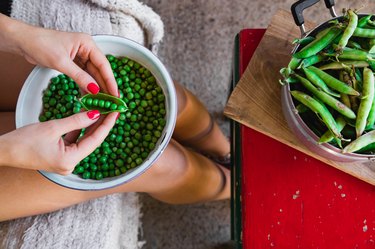
Increase fiber intake. Fiber decreases blood estrogen levels. Some of the best sources of fiber include fruits, vegetables, beans and whole grains. Choose oatmeal for breakfast and nuts for a snack to help boost the amount of fiber consumed in a day. Flax seed is another source of high fiber that can be easily incorporated into the diet. Flax seed contains lignan compounds that work to hinder the production of estrogen, according to Linus Pauling Institute, a health research center at Oregon State University.
Step 6
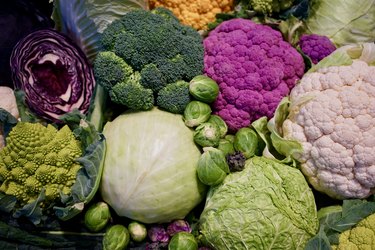
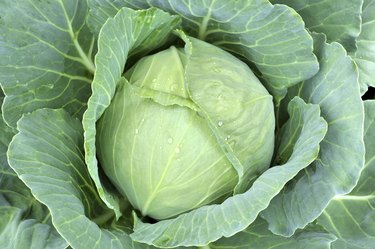
Add cruciferous vegetables to your diet. Cruciferous vegetables contain indole-3-carbinol that is responsible for converting excess estrogen. These vegetables include broccoli, cabbage, cauliflower, turnips and watercress.
Step 7
Add fish to the diet. Fish oils help decrease estrogen levels. Particularly helpful are cold-water fish species such as salmon, herring and mackerel, which are high in omega-3 fatty acids.
Tips and Warnings
- Consider adding indole-3-carbinole supplements to your diet; they help the body to metabolize estrogen more efficiently.
- Always thoroughly wash vegetables as they contain pesticides that elevate estrogen levels.


