




























A Japanese Diet

A Japanese Diet
Photo Credit sushi image by Yvonne Bogdanski from Fotolia.com

Japanese food is credited with giving the Japanese people a higher life expectancy than any other group of people in the world, according to an article on MSN.com. The Japanese diet largely consists of healthful seafoods, highly nutritious vegetables and fruits and disease-fighting teas. But this diet also features fatty favorites and salty succulence. As with most of the world's diets, you can choose what foods to enjoy that promote a healthy life.

Significance

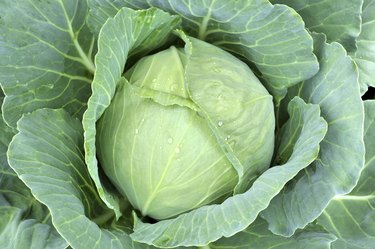
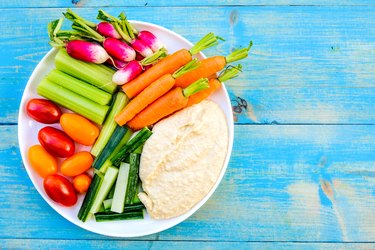
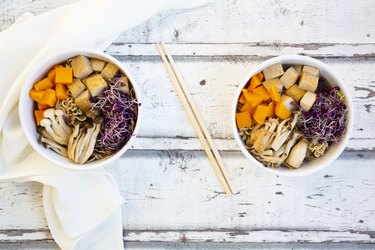
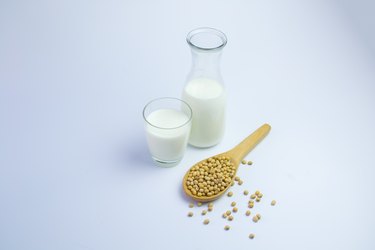
Fish is the primary source of protein in Japanese food. Nearly every Japanese meal includes some form of seafood, which is abundant in Japan's seas. Naomi Moriyama, co-author of "Japanese Women Don't Get Old or Fat: Secrets of My Mother's Tokyo Kitchen," tells WebMD.com that fish such as "salmon and fresh tuna, mackerel, sardines, and herring are a great source of omega-3 fatty acids, which are known for their heart-health and mood-boosting benefits." Much of the Japanese diet also includes many nutrient-packed vegetables such as cabbage, tomatoes, cucumbers, and rooted vegetables such as radishes, carrots, yams, and onions. Protein-rich soy is a staple in the Japanese diet. The Japanese are also keen on fruits that are rich in antioxidants such as grapes, cherries and plums. Buckwheat soba noodles, a national favorite, are high in fiber and protein.

Types

Aside from the abundance of vegetables, fruit and fresh fish, Japanese food can be prepared in ways that are fatty and salty. Many of the Japanese-favorite vegetables are pickled for taste, which means high amounts of sodium are consumed, leading to increased risks of strokes and high blood pressure. Popular dishes such as tempura and katsu are breaded and deep-fried, while yakitori can be ordered with only grilled chicken skin or cubes of pork fat. Other items such as okonomiyaki and takoyaki are enjoyed with liberal amounts of rich mayonnaise.

Tea

Bringing the plus side of the Japanese diet back up some is tea. Japan produces a variety of green teas. Black teas are also popular in Japan. Teas are brewed from whole, shredded, and ground leaves for different occasions. Green tea is also used in desserts. Polyphenols in green tea have been studied for their potential in helping prevent cancers and liver disease, as well as lower cholesterol.

World Ranking

Harley Pasternak's book "The Five Factor World Diet" lists Japan's as the world's healthiest diet because its obesity rate for men is 1.5 percent and life-expectancy is up to 82 years on average. With the diet's long list of healthful foods and premium teas, it's not hard to see what helped it made the grade.

Considerations

Even though the Japanese diet helped to bring the nation's life-expectancy average up to the top spot, it is difficult to determine that the diet is the only (or even main) reason why Japan earned the ranking. Japan's tiny island, Okinawa, possesses about 500 centenarians. Even though Okinawans are known for their mostly vegetarian diet, these Japanese islanders also stay busy through activities like gardening and carpentering. Japan's health care system, among the world's best, may also have a role to play in crowning Japan No. 1 one in life expectancy.

References

Article reviewed by Kirk Ericson Last updated on: Jun 14, 2011

Must see: Photo Galleries

Member Comments