

















Natural Alternatives to HRT

Doctors have commonly prescribed hormone replacement therapy (HRT) for menopausal symptoms such as hot flashes, difficulty sleeping, depression, weight gain, mood changes and night sweats. However, these synthetic hormones have come under scrutiny due to the elevated risks of breast, uterine and ovarian cancer. Today, many women are using natural, alternative treatments instead that can also eliminate or reduce unwanted side-effects of menopause. According to Holistic Online, "The alternative medical approach focuses on strengthening the female body by encouraging it to balance, regulate, and normalize itself during the transition to menopause."

Diet

Some foods can increase mood swings, hot flashes, depression and night sweats. It is best to maintain a balanced diet with plenty of raw fruits and vegetables. Avoid stimulants such as hot or spicy foods, caffeine, white flour and sugar. The Mayo Clinic also recommends 1,200 to 1,500 milligrams of calcium and 800 IU's of vitamin D each day for menopausal women.

Photoestrogens

Photoestrogens are substances found naturally in some plant-based foods and are thought to have estrogen-like effects that can aid a woman's body during menopause when estrogen is declining. Low levels of estrogen are thought to trigger hot flashes, night sweats and mood swings.
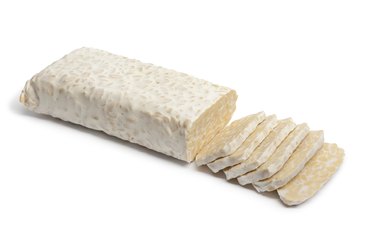
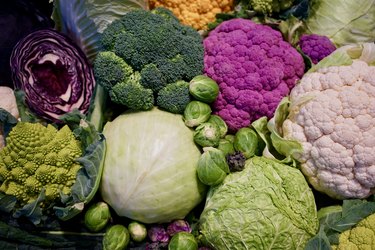
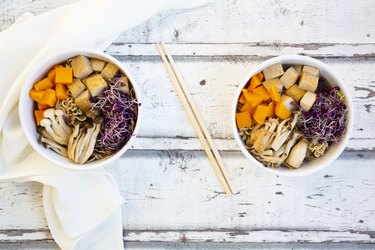
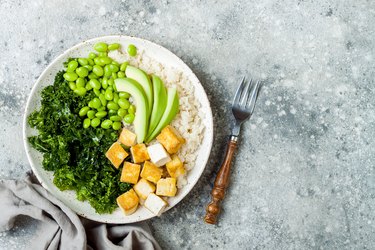
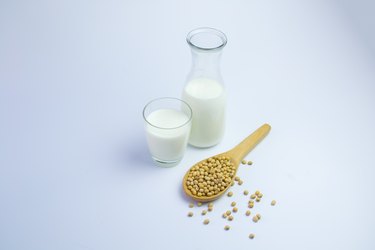
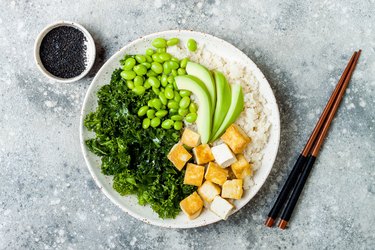
There are two main types of photoestrogens---isoflavones and lignans. Both are naturally occurring substances, but they are found in different foods. Isoflavones come from beans and are found in soy products like tofu, soy milk and soybeans. Lignans come from flaxseed and are found in whole grains, pumpkin seeds, broccoli and berries. Adding these foods to your daily diet can reduce menopausal symptoms. Flaxseed can also lower your risk for breast cancer.

Herbal Remedies

Certain herbs can reduce hot flashes and night sweats by putting mild plant estrogens or hormones back into your system. Black cohosh and primrose oil are widely available and have been popular in Europe for years. They are catching on in the United States. Other herbal remedies include dong quai, ginseng, motherwort, chaste tree or vitex, chickweed, hawthorn berries and dandelion.

Exercise

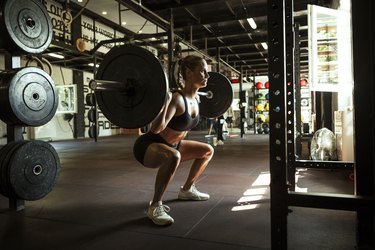
Daily exercise can reduce weight gain, hot flashes and sleep problems. It can also elevate mood and help lift depression. Weight-bearing exercises such as walking, running and strength training are also important to maintain bone density, which can decrease during menopausal years, resulting in osteoporosis.

Acupuncture

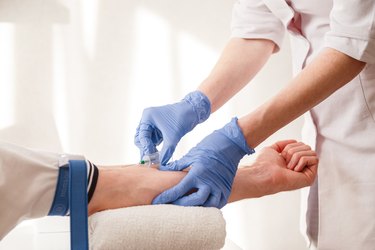
Chinese medicine has treated women's menopausal symptoms through herbal teas, acupressure and acupuncture. These treatments are thought to help balance the body and promote healing. According to Naturalhealthweb.com, "Since the early '70s, studies around the globe have suggested that acupuncture and Chinese herbal medicine are effective treatments for hot flashes, anxiety, insomnia, vaginal dryness and many other symptoms associated with menopause."

References

Article reviewed by M.J. Ingram Last updated on: Oct 16, 2009

Must see: Photo Galleries

Member Comments