

































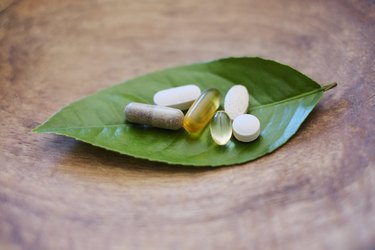



Traditionally, HCG, or human chorionic gonadotropin, is used in women to stimulate ovulation by promoting egg release. HCG injections help infertile women to conceive. There are several side effects to subcutaneous injection of HCG that must be weighed against the benefits of conception. Since 2009, HCG has become available in over-the-counter form and is marketed as a weight loss supplement. The use of over-the-counter HCG has not been thoroughly investigated to determine potential rewards or side effects of its use. Be aware that the government does not control dietary supplements, thus you should ensure that you are purchasing your over-the-counter products from a reputable source.
Abdominal Pain
HCG use may cause general stomach and pelvic pain, according to DrugWatch.com. The pain may range from mild to severe and may be due to several gastrointestinal effects of taking HCG. For instance, diarrhea and nausea are typical side effects of HCG use.
Swelling
Swelling of the limbs and abdomen due to elevated water retention is possible, according to Drugs.com. Correlated with this swelling and water retention, decreased urination is also possible. Drugs.com and DrugWatch.com both suggest that drinking excess amount of fluids may help trigger urination. Consult a physician if you experience this symptom, as your doctor may want to prescribe a diuretic if this occurs.
Weight Gain
Although HCG has been advertised as a miracle diet aid, weight gain is a typical side effect. DrugWatch.com and Drugs.com suggest that the water retention common with drug prevent any perceived weight gain. MayoClinic.com also details that when HCG is used as a diet aid, it is typically combined with an extremely low calorie diet, which is ultimately the cause of the weight loss, not the HCG itself. Moreover, MayoClinic.com warns that the weight loss is typically temporary and that the FDA has not approved HCG for use as a weight loss aid.
Breast tenderness
Since HCG has the potential to induce ovulation, symptoms of ovulation are common, such as breast tenderness and swelling. Drugs.com suggests that this tenderness and swelling is normally just a mild irritant and goes away after HCG has left your system.
Ovarian Hyperstimulation Syndrome
Ovarian Hyperstimulation Syndrome of OHSS is an atypical yet severe side effect of taking HCG. When forcing the ovaries to become overactive due to infertility or irregular ovulation, you risk over stimulation that causes the ovaries to become painful and swollen. MayoClinic.com suggests that typically OHSS resolves itself after stopping injections for a week; however, if you become pregnant, the symptoms may persist for several more weeks.


