







































Ketogenic Diets

Ketogenic Diets
Photo Credit Jupiterimages/Comstock/Getty Images

With two out of three people in the USA overweight or obese, the interest in diets and weight loss has never been higher. With so many diets to choose from, selecting the right one can be difficult, especially because of the contradictory information surrounding many of the popular eating plans. One of the more controversial approaches to weight loss is the ketogenic diet, which represents the polar opposite of what many people consider a healthy way to eat and lose weight.

What Is a Ketogenic Diet?

"The Ketogenic Diet," by John M. Freeman, Jennifer B. Freeman and Millicent T. Kelly, defines a ketogenic diet as a very low-carbohydrate, moderate-protein and high-fat approach to weight loss. There are numerous variations of this style of eating, but the most well-known is the Atkins diet. By eliminating carbohydrates from your diet, you force your body to convert fat and protein into ketone bodies, also known as ketones. Your brain and muscles then use these ketones for fuel. This process is very uneconomical and results in weight loss despite of the large amounts of fat being consumed.

About Ketosis

Ketosis describes the metabolic shift your body has to go through to stop getting energy from carbohydrates and switch to using ketones for fuel. This metabolic shift can take a few days to occur once you have eliminated carbs from your diet. It is during this pre-shift period that some ketogenic dieters feel nauseous and weak or develop headaches. Once you have made the metabolic shift to using ketones for energy, these symptoms usually subside. To place your body into ketosis, you should consume less than 50 g of carbohydrate a day. Most carbohydrate-based diets consist of 300 g of carbohydrate or more per day.

Advantages and Benefits of Ketogenic Diets

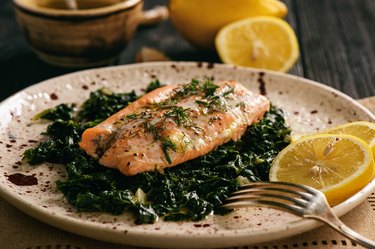
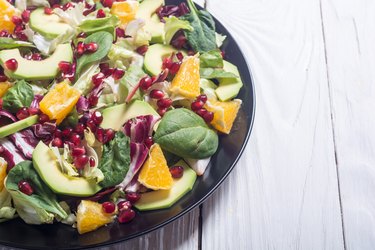
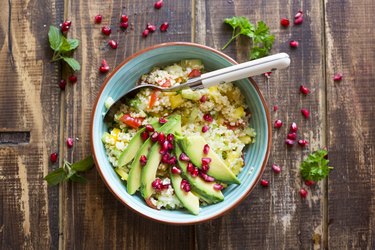
Ketogenic diets result in a rapid and significant initial weight loss. This weight loss jump-start can be very motivational. Because the process of ketosis is so energy inefficient, most ketogenic diets do not enforce any kind of portion control. As long as you eat only protein and fat, you should lose weight regardless of how much you consume. This means you should never be hungry on a ketogenic diet. According to "Dr. Atkins New Diet Revolution: The No-hunger, Luxurious Weight Loss Plan That Really Works!" by Robert C. Atkins, ketogenic diets are straightforward to implement---simply eliminate all carbohydrate-based foods such as fruit, starchy vegetables and all grains and sugars. Instead, consume plenty of meat, fish, eggs and cheese with selected low-carb/no-carb vegetables such as spinach, cabbage, lettuce, cucumber and mushrooms.

Ketogenic Diets and Rapid Weight Loss

Your body stores carbohydrate within your muscles in the form of glycogen. Glycogen is a glucose molecule bound with water molecules. When you eliminate carbohydrates from your diet, your body will use your muscle glycogen for energy. As your glycogen stores diminish, so does the water. Water is heavy---one pint of water weighs around a pound---so the dramatic weight loss reported by many ketogenic diets is, in fact, water weight and not fat. Fat loss only becomes apparent later in the diet, once full ketosis occurs.

Disadvantages and Precautions

Many mainstream nutritionists have reservations about the safety of long-term ketogenic diets. Some cite the lack of calcium, fiber, vitamins and minerals, while others point out the link between high fat intake and coronary heart disease. However, experts that are for ketogenic diets list numerous cultures that thrive on this type of diet, including Eskimos and the Masai Mara of Kenya, who survive exclusively on high-protein/high-fat diets. Ketogenic dieters often feel unwell in the first seven to 10 days of eliminating carbohydrates, and many fail to make the metabolic shift to using ketones for energy instead of glucose. Many dieters find it hard to comply long term to ketogenic diets and decide that their cravings for foods such as bread, cereals and pasta are impossible to ignore.

References

  • "The Ketogenic Diet"; John M. Freeman, Jennifer B. Freeman and Millicent T. Kelly; 2000
  • "Dr. Atkins New Diet Revolution: The No-hunger, Luxurious Weight Loss Plan That Really Works!"; Robert C. Atkins; 2003
  • Bodybuilding.com: Ketogenic Diets and Ketosis

Article reviewed by TheronN Last updated on: Nov 12, 2010

Must see: Photo Galleries

Member Comments