

























Exercises for Seniors With Joint Disease

Exercises for Seniors With Joint Disease
Photo Credit Thinkstock/Comstock/Getty Images

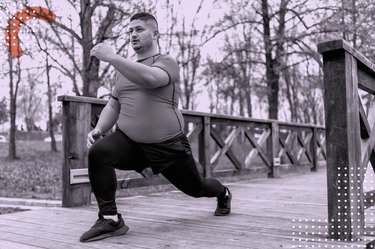
It used to be thought that exercise while having a joint disease such as arthritis would worsen the symptoms and speed up degeneration. But now, when arthritis is under control, exercise is considered to have many benefits. The primary reason to exercise if you have arthritis is to keep your joints flexible, lubricated and maintain proper range of motion. Other reasons are to keep your muscles strong and maintain a level of cardiovascular fitness. Finally, exercise helps maintain your ability to do everyday tasks.

Recommendations

For general fitness, the American Council on Exercise recommends that people older than 65 get 30 minutes of moderate intensity cardiovascular activity at least five days per week. Do resistance training two to three days per week with eight to 10 exercises for 10 to 15 repetitions. Regular exercise will help prevent obesity related diseases like heart disease, diabetes and metabolic syndrome. It will also protect against atherosclerosis, hypertension and allow you to continue regular activities of daily living without difficulty.

Cardiovascular Exercise

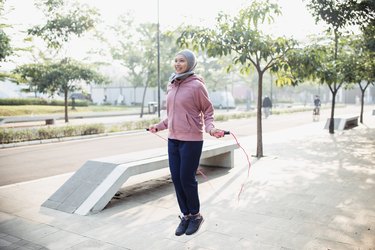
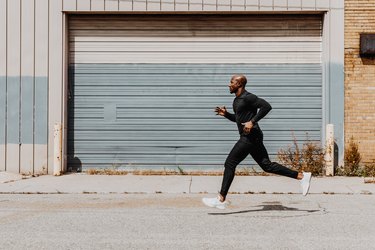
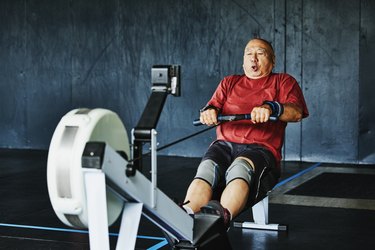
If you have a joint disease, you might find it difficult or discouraging to do recommended cardiovascular exercise because of pain and fear of injury. Lack of exercise will cause joints to become stiff, painful and swollen. According to the Johns Hopkins Arthritis Center, water aerobics is an ideal cardiovascular exercise because the water is warm and increases blood flow to the joints. The buoyancy of the water decreases pain in your lower body, and water resistance helps increase your muscular strength as well.

Resistance Training

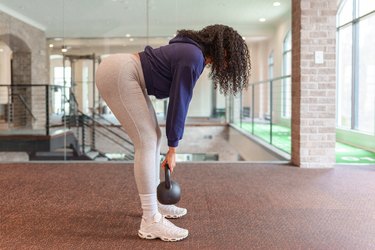
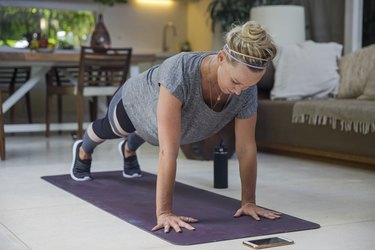
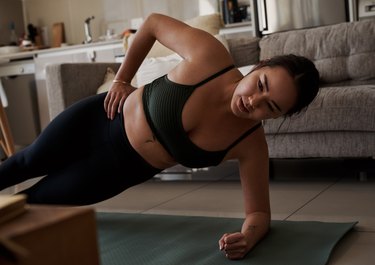
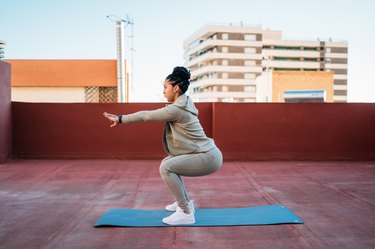
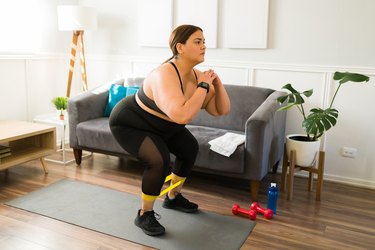
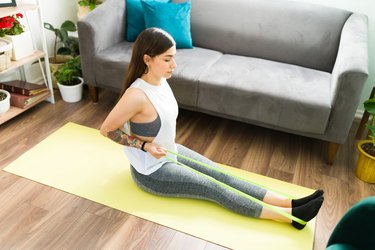
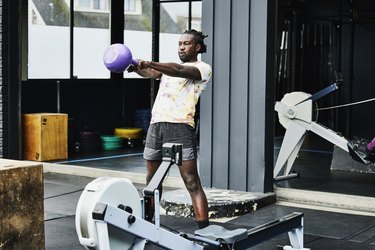
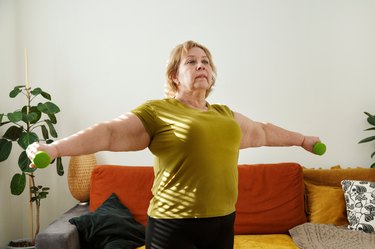
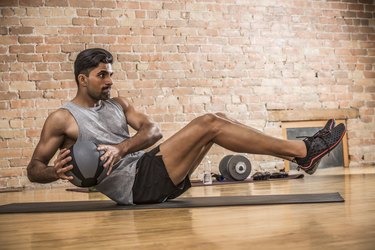
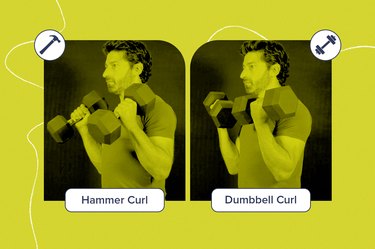
The Arthritis Foundation states that resistance training should be done either isometrically or isotonically. Isometric exercise involves strengthening without joint movement. Holding a push-up position on wall without moving down and up, holding a plank position or holding a weight in a fixed position are examples of isometric exercises. Isotonic means the muscles changes length with a constant load. Lifting dumbbell to do a bicep curl, or extending one knee while sitting in a chair are examples of isotonic exercises. They focus on one muscle group in a controlled action.

Flexibility

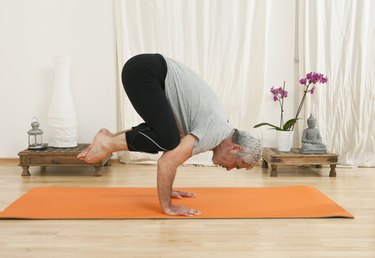
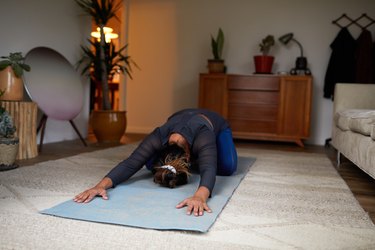
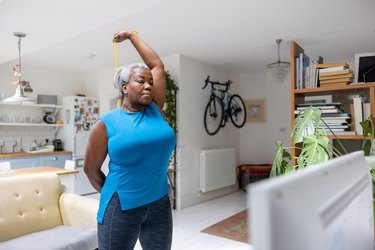
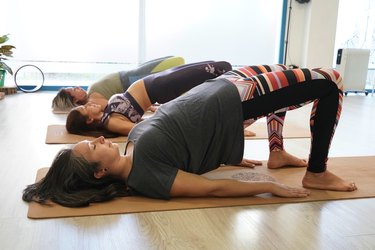
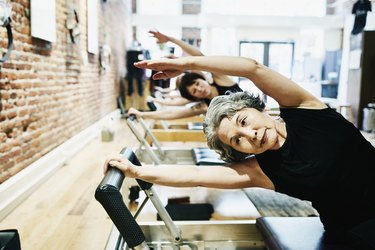
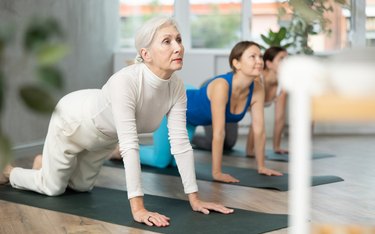
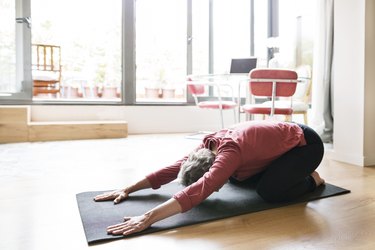
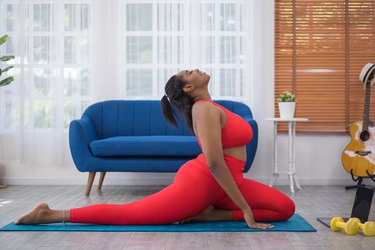
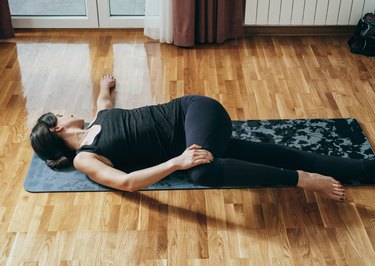
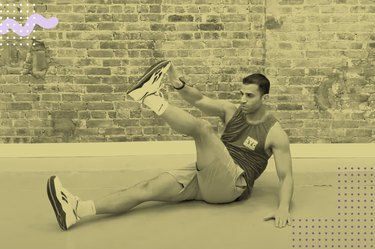
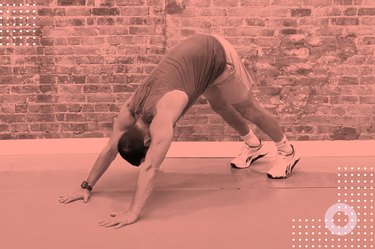
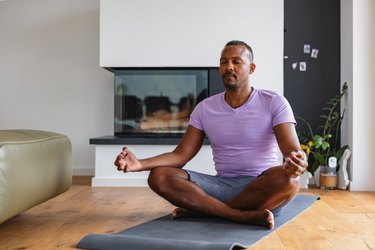
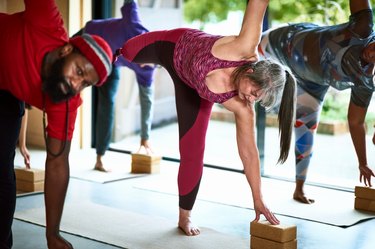
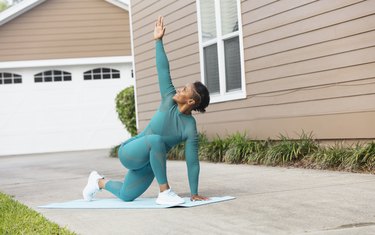
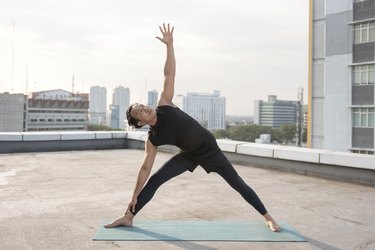
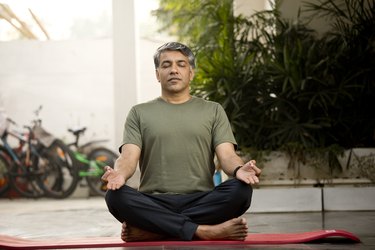
Flexibility needs to be trained for at least 15 minutes daily. You should incorporate flexibility exercises into a warm-up prior to exercise and cool down after exercise. Yoga for seniors is an excellent place to start when trying to increase flexibility while also increasing strength and endurance. Some yoga classes are designed for beginners and seniors, so check a local health facility for more information.

Precautions

Talk to a doctor before starting any new weight training program. Begin slowly and progress gradually. Incorporate at least a 10-minute light cardiovascular warm-up and cool-down before and after every exercise session. Avoid repetitive movements. ACSM's cardiovascular recommendation of 30 minutes per day can be split into as many a six, five minute bouts. Moving throughout the day will keep your joints from stiffening up.

References

Article reviewed by Kirk Ericson Last updated on: Nov 16, 2010

Must see: Photo Galleries